
15 Questions with... Harry Grundy
February 5, 2026
No items found.

Welcome to 15 Questions With…, an interview series in which art writer Gary Grimes picks the brains of artists, curators and other creatives to understand what makes them tick through a series of quick-fire questions. This series aims to showcase the varying approaches creatives take to making art and how their relationships to the so-called art world differ, but also reveal what unifies those responsible for the art we love.

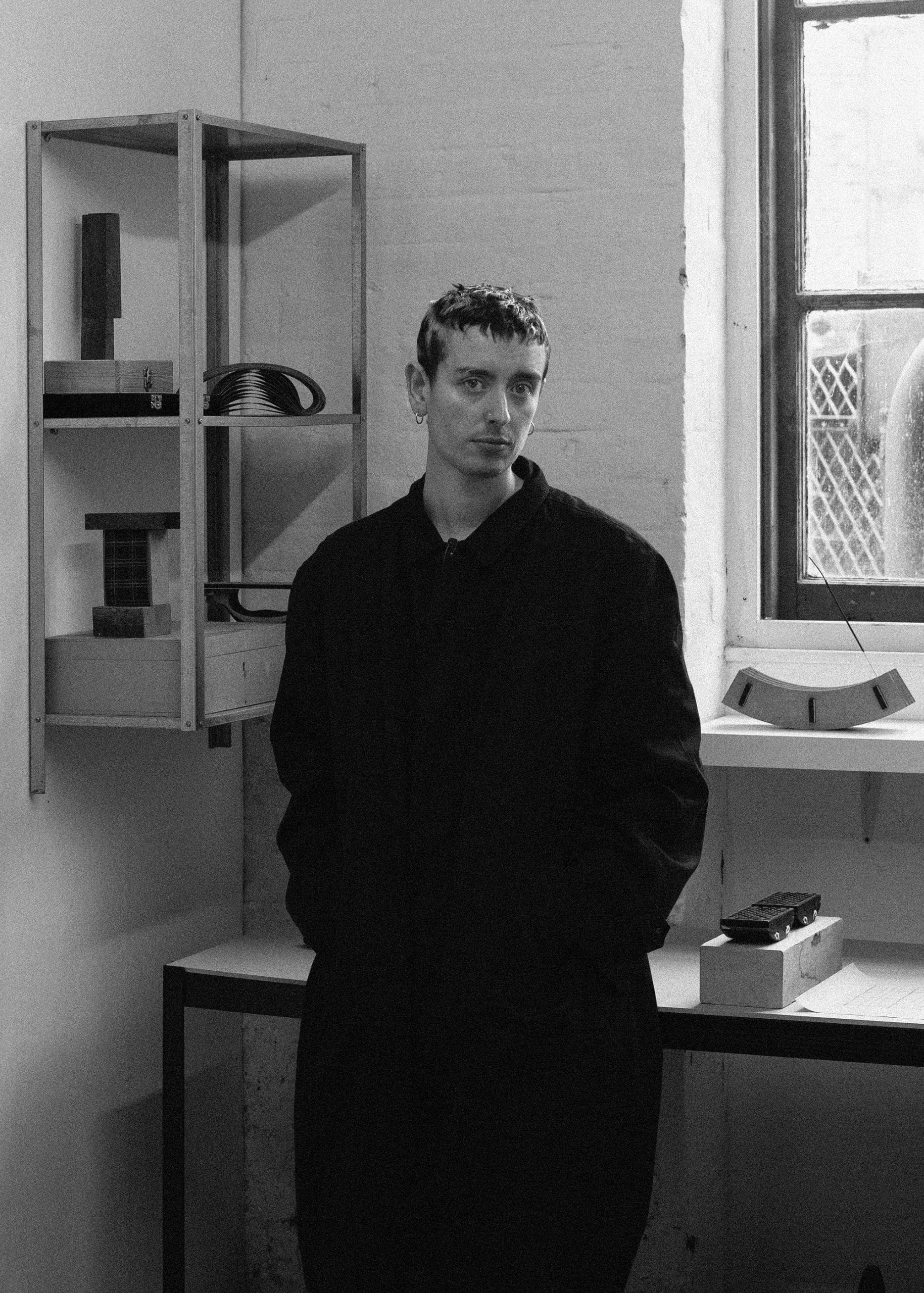
Harry Grundy is a Margate-based artist whose work centres on the natural world. With a background in design, his ideas are treated with a rigorous honesty and crafted with a graphic eye. Focusing his practice around rural and coastal British ecologies, Harry asks the viewer to look closely and critically at our relationship with the world around us.

A graduate of the Kingston School of Art in 2016 with first-class honours in graphic design, curiously enough, Grundy also trained as a clown at Albert and Friends Circus School in 2007. He recently had a solo show at Haarlem Artspace in September 2025. In 2024, he showed at Alice Amati, Slugtown and Unit 1 Gallery. In Summer 2023, Grundy presented his first public commissions for the Chester Contemporary in the UK, after completing a residency at Palazzo Monti in Brescia, Italy 2023. He has created sculptural editions for Hi Noon Editions and Object Multiple and a book of poems with Saltstung Press.

On 4 February, London gallery Incubator will host a solo exhibition of new work by Grundy. The show will be on view through 1 March.

1. What is your earliest memory of a work of art?

When I was around 11 or 12, my dad brought home a book of William Heath Robinson drawings. I mistook the illustrator for an inventor and his absurdly convoluted machines for earnest proposals. I spent my teens telling people I wanted to be an inventor because of Heath Robinson. 

2. Where do you turn to when you're in need of inspiration?

I think I'm overwhelmed by it. I have the other problem - calming it down and making the ideas work. I need to be alone in the studio with videos of canal boat tours or something playing in the background. I also like having the radio on as I carve away at something like a proper old git.

3. What do you like to do when you need to take a break from your practice?

My studio is by the beach in Margate, and since moving down a few years ago, I've been trekking around the Kent coast. My favourite stretch so far is Dover to Folkestone at low tide. There is a huge piece of land that extends out into the sea made from the Channel Tunnel excavations. It’s called Samphire Hoe and has become a biodiverse nature reserve with livestock and rare orchids, and lots of seabirds. I’ve never seen cows so close to the sea before. 

The Mingling Tree

4. Who is your favourite artist?

Mona Hatoum (and Roman Signer, and Ryan Gander, and Diane Simpson, and B. Wurtz, and Mark Manders, and Andy Goldsworthy and Doris Salcedo) (and Buster Keaton, and Laurie Anderson.)

5. What's the biggest crime an artist can commit?

Not honouring their curiosity.

Leaving a Cemetery


6. Which gallery or museum should everyone try to visit at least once in their life?

Northdown Road in Margate is one of the great institutions. Well Projects, Roland Ross, 243 Luz and Quench are all within 5 minutes of each other.

7. Whose opinions on art do you actually care about?

My dad.

8. What trend in art makes you roll your eyes?

Each to their own! 

9. Who are the last three musical artists you listened to?

Philip Glass, Wim Mertens, Superjoint.

10. What's your favourite colour and why?

I wear lots of black because I prefer shapes to colour. This show at Incubator is one of the first times I’ve ever selected and mixed a colour for an artwork. I usually lean on the rationality of raw materials. I love the stories found in mottled stone or the perfumed dust from a cut slab of wood. It is really rewarding letting materials speak for themselves and weaving their meaning into the work. I struggle to read colours. When school teachers would tell us that red meant anger and yellow meant happiness, I had no idea what they were on about. 

Grazings (120 Grit)

11. What three items would you grab if your house was burning down?

Phone, laptop, propranolol. 

12. Is there an artistic skill you wish you were better at?

Patience.

13. What can you tell us about your upcoming show at Incubator?

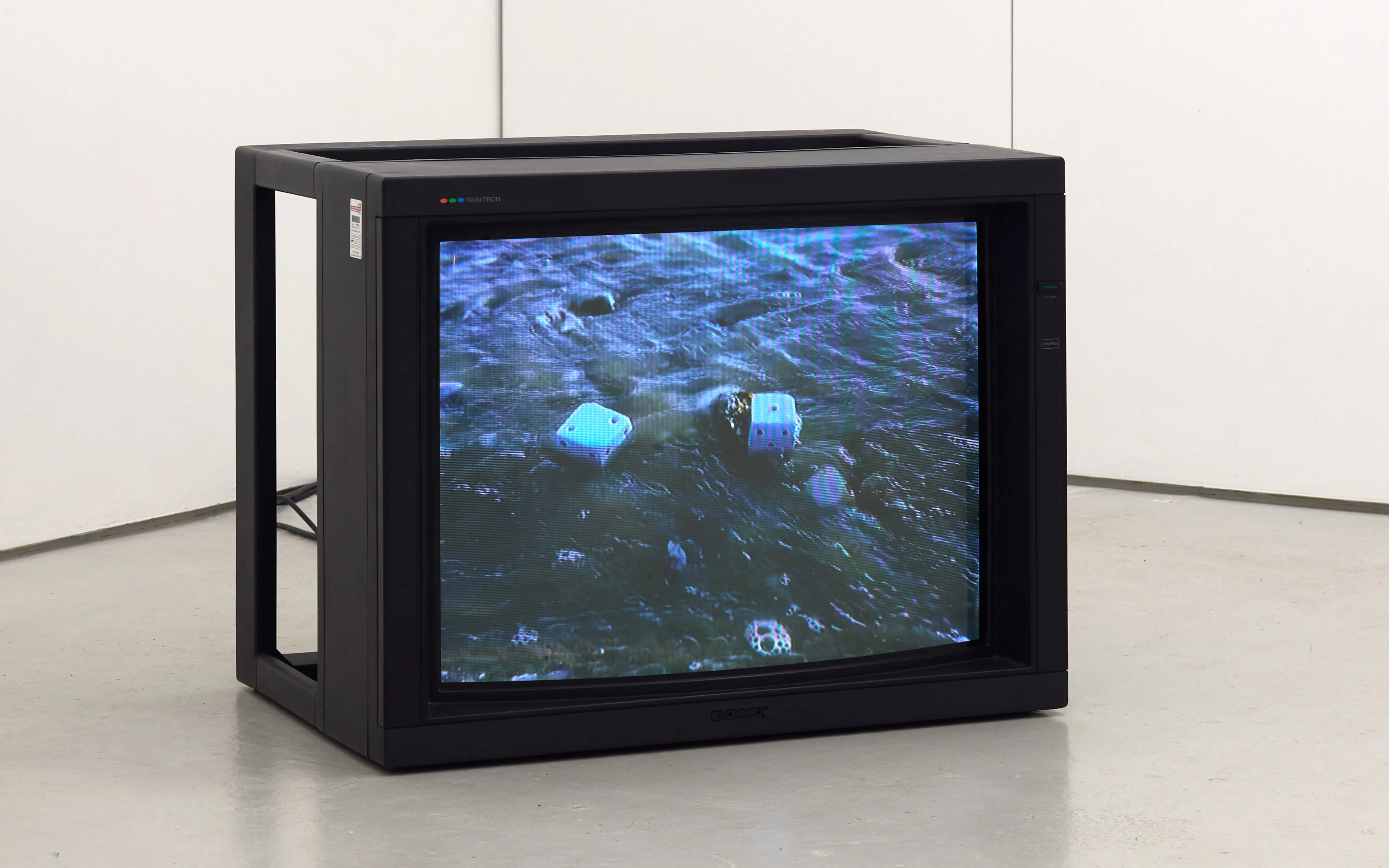
There are dice carved from the chalk cliffs, drawings made onto sandpaper with wood from around the world, tulips in Calder River water, and some poems beneath a lump of coal. 

The Moon's Doing

14. Which piece in the show took the longest to perfect and why?

The work on sandpaper has taken a long time to develop. I like to jump around ideas a lot, but it was important to slow down and understand what kind of marks different wood species make and how the different grits held the sawdust. Seeing apple wood reveal a bright orange line onto black 180-grit paper, or the differences in drawing with a green oak twig and an ancient oak twig, were a very specific kind of education. Lots of little discoveries. I had a fun weekend developing a fixative using diluted wood glue sprayed through a hairdresser’s misting gun. 

Manners (400 Grit)

Many of the drawings take on a sartorial, sewn pattern. This is because the strongest lines are made by going back and forth over the same stretch of sandpaper. This loom-like motion borrows something from the textile mills in West Yorkshire, near to where I sourced some of the wood and came about from months of scratching.

15. What impression do you hope people get after seeing your show?

Something a little bit Heath Robinson.

Employee of the Month

Gary Grimes
Read more about...
No items found.
No items found.
05/02/2026
Interview
Gary Grimes
15 Questions with... Harry Grundy
Written by
Gary Grimes
Date Published
05/02/2026
No items found.

Welcome to 15 Questions With…, an interview series in which art writer Gary Grimes picks the brains of artists, curators and other creatives to understand what makes them tick through a series of quick-fire questions. This series aims to showcase the varying approaches creatives take to making art and how their relationships to the so-called art world differ, but also reveal what unifies those responsible for the art we love.

Harry Grundy is a Margate-based artist whose work centres on the natural world. With a background in design, his ideas are treated with a rigorous honesty and crafted with a graphic eye. Focusing his practice around rural and coastal British ecologies, Harry asks the viewer to look closely and critically at our relationship with the world around us.

A graduate of the Kingston School of Art in 2016 with first-class honours in graphic design, curiously enough, Grundy also trained as a clown at Albert and Friends Circus School in 2007. He recently had a solo show at Haarlem Artspace in September 2025. In 2024, he showed at Alice Amati, Slugtown and Unit 1 Gallery. In Summer 2023, Grundy presented his first public commissions for the Chester Contemporary in the UK, after completing a residency at Palazzo Monti in Brescia, Italy 2023. He has created sculptural editions for Hi Noon Editions and Object Multiple and a book of poems with Saltstung Press.

On 4 February, London gallery Incubator will host a solo exhibition of new work by Grundy. The show will be on view through 1 March.
1. What is your earliest memory of a work of art?

When I was around 11 or 12, my dad brought home a book of William Heath Robinson drawings. I mistook the illustrator for an inventor and his absurdly convoluted machines for earnest proposals. I spent my teens telling people I wanted to be an inventor because of Heath Robinson. 

2. Where do you turn to when you're in need of inspiration?

I think I'm overwhelmed by it. I have the other problem - calming it down and making the ideas work. I need to be alone in the studio with videos of canal boat tours or something playing in the background. I also like having the radio on as I carve away at something like a proper old git.

3. What do you like to do when you need to take a break from your practice?

My studio is by the beach in Margate, and since moving down a few years ago, I've been trekking around the Kent coast. My favourite stretch so far is Dover to Folkestone at low tide. There is a huge piece of land that extends out into the sea made from the Channel Tunnel excavations. It’s called Samphire Hoe and has become a biodiverse nature reserve with livestock and rare orchids, and lots of seabirds. I’ve never seen cows so close to the sea before. 

The Mingling Tree

4. Who is your favourite artist?

Mona Hatoum (and Roman Signer, and Ryan Gander, and Diane Simpson, and B. Wurtz, and Mark Manders, and Andy Goldsworthy and Doris Salcedo) (and Buster Keaton, and Laurie Anderson.)

5. What's the biggest crime an artist can commit?

Not honouring their curiosity.

Leaving a Cemetery


6. Which gallery or museum should everyone try to visit at least once in their life?

Northdown Road in Margate is one of the great institutions. Well Projects, Roland Ross, 243 Luz and Quench are all within 5 minutes of each other.

7. Whose opinions on art do you actually care about?

My dad.

8. What trend in art makes you roll your eyes?

Each to their own! 

9. Who are the last three musical artists you listened to?

Philip Glass, Wim Mertens, Superjoint.

10. What's your favourite colour and why?

I wear lots of black because I prefer shapes to colour. This show at Incubator is one of the first times I’ve ever selected and mixed a colour for an artwork. I usually lean on the rationality of raw materials. I love the stories found in mottled stone or the perfumed dust from a cut slab of wood. It is really rewarding letting materials speak for themselves and weaving their meaning into the work. I struggle to read colours. When school teachers would tell us that red meant anger and yellow meant happiness, I had no idea what they were on about. 

Grazings (120 Grit)

11. What three items would you grab if your house was burning down?

Phone, laptop, propranolol. 

12. Is there an artistic skill you wish you were better at?

Patience.

13. What can you tell us about your upcoming show at Incubator?

There are dice carved from the chalk cliffs, drawings made onto sandpaper with wood from around the world, tulips in Calder River water, and some poems beneath a lump of coal. 

The Moon's Doing

14. Which piece in the show took the longest to perfect and why?

The work on sandpaper has taken a long time to develop. I like to jump around ideas a lot, but it was important to slow down and understand what kind of marks different wood species make and how the different grits held the sawdust. Seeing apple wood reveal a bright orange line onto black 180-grit paper, or the differences in drawing with a green oak twig and an ancient oak twig, were a very specific kind of education. Lots of little discoveries. I had a fun weekend developing a fixative using diluted wood glue sprayed through a hairdresser’s misting gun. 

Manners (400 Grit)

Many of the drawings take on a sartorial, sewn pattern. This is because the strongest lines are made by going back and forth over the same stretch of sandpaper. This loom-like motion borrows something from the textile mills in West Yorkshire, near to where I sourced some of the wood and came about from months of scratching.

15. What impression do you hope people get after seeing your show?

Something a little bit Heath Robinson.

Employee of the Month

Thanks for reading
Collect your 5 yamos below
REDEEM YAMOS
15 Questions with... Harry Grundy
Interview
Gary Grimes
Written by
Gary Grimes
Date Published
05/02/2026
No items found.

Welcome to 15 Questions With…, an interview series in which art writer Gary Grimes picks the brains of artists, curators and other creatives to understand what makes them tick through a series of quick-fire questions. This series aims to showcase the varying approaches creatives take to making art and how their relationships to the so-called art world differ, but also reveal what unifies those responsible for the art we love.

Harry Grundy is a Margate-based artist whose work centres on the natural world. With a background in design, his ideas are treated with a rigorous honesty and crafted with a graphic eye. Focusing his practice around rural and coastal British ecologies, Harry asks the viewer to look closely and critically at our relationship with the world around us.

A graduate of the Kingston School of Art in 2016 with first-class honours in graphic design, curiously enough, Grundy also trained as a clown at Albert and Friends Circus School in 2007. He recently had a solo show at Haarlem Artspace in September 2025. In 2024, he showed at Alice Amati, Slugtown and Unit 1 Gallery. In Summer 2023, Grundy presented his first public commissions for the Chester Contemporary in the UK, after completing a residency at Palazzo Monti in Brescia, Italy 2023. He has created sculptural editions for Hi Noon Editions and Object Multiple and a book of poems with Saltstung Press.

On 4 February, London gallery Incubator will host a solo exhibition of new work by Grundy. The show will be on view through 1 March.

1. What is your earliest memory of a work of art?

When I was around 11 or 12, my dad brought home a book of William Heath Robinson drawings. I mistook the illustrator for an inventor and his absurdly convoluted machines for earnest proposals. I spent my teens telling people I wanted to be an inventor because of Heath Robinson. 

2. Where do you turn to when you're in need of inspiration?

I think I'm overwhelmed by it. I have the other problem - calming it down and making the ideas work. I need to be alone in the studio with videos of canal boat tours or something playing in the background. I also like having the radio on as I carve away at something like a proper old git.

3. What do you like to do when you need to take a break from your practice?

My studio is by the beach in Margate, and since moving down a few years ago, I've been trekking around the Kent coast. My favourite stretch so far is Dover to Folkestone at low tide. There is a huge piece of land that extends out into the sea made from the Channel Tunnel excavations. It’s called Samphire Hoe and has become a biodiverse nature reserve with livestock and rare orchids, and lots of seabirds. I’ve never seen cows so close to the sea before. 

The Mingling Tree

4. Who is your favourite artist?

Mona Hatoum (and Roman Signer, and Ryan Gander, and Diane Simpson, and B. Wurtz, and Mark Manders, and Andy Goldsworthy and Doris Salcedo) (and Buster Keaton, and Laurie Anderson.)

5. What's the biggest crime an artist can commit?

Not honouring their curiosity.

Leaving a Cemetery


6. Which gallery or museum should everyone try to visit at least once in their life?

Northdown Road in Margate is one of the great institutions. Well Projects, Roland Ross, 243 Luz and Quench are all within 5 minutes of each other.

7. Whose opinions on art do you actually care about?

My dad.

8. What trend in art makes you roll your eyes?

Each to their own! 

9. Who are the last three musical artists you listened to?

Philip Glass, Wim Mertens, Superjoint.

10. What's your favourite colour and why?

I wear lots of black because I prefer shapes to colour. This show at Incubator is one of the first times I’ve ever selected and mixed a colour for an artwork. I usually lean on the rationality of raw materials. I love the stories found in mottled stone or the perfumed dust from a cut slab of wood. It is really rewarding letting materials speak for themselves and weaving their meaning into the work. I struggle to read colours. When school teachers would tell us that red meant anger and yellow meant happiness, I had no idea what they were on about. 

Grazings (120 Grit)

11. What three items would you grab if your house was burning down?

Phone, laptop, propranolol. 

12. Is there an artistic skill you wish you were better at?

Patience.

13. What can you tell us about your upcoming show at Incubator?

There are dice carved from the chalk cliffs, drawings made onto sandpaper with wood from around the world, tulips in Calder River water, and some poems beneath a lump of coal. 

The Moon's Doing

14. Which piece in the show took the longest to perfect and why?

The work on sandpaper has taken a long time to develop. I like to jump around ideas a lot, but it was important to slow down and understand what kind of marks different wood species make and how the different grits held the sawdust. Seeing apple wood reveal a bright orange line onto black 180-grit paper, or the differences in drawing with a green oak twig and an ancient oak twig, were a very specific kind of education. Lots of little discoveries. I had a fun weekend developing a fixative using diluted wood glue sprayed through a hairdresser’s misting gun. 

Manners (400 Grit)

Many of the drawings take on a sartorial, sewn pattern. This is because the strongest lines are made by going back and forth over the same stretch of sandpaper. This loom-like motion borrows something from the textile mills in West Yorkshire, near to where I sourced some of the wood and came about from months of scratching.

15. What impression do you hope people get after seeing your show?

Something a little bit Heath Robinson.

Employee of the Month

Thanks for reading
Collect your 5 yamos below
REDEEM YAMOS
05/02/2026
Interview
Gary Grimes
15 Questions with... Harry Grundy
Written by
Gary Grimes
Date Published
05/02/2026
No items found.

Welcome to 15 Questions With…, an interview series in which art writer Gary Grimes picks the brains of artists, curators and other creatives to understand what makes them tick through a series of quick-fire questions. This series aims to showcase the varying approaches creatives take to making art and how their relationships to the so-called art world differ, but also reveal what unifies those responsible for the art we love.

Harry Grundy is a Margate-based artist whose work centres on the natural world. With a background in design, his ideas are treated with a rigorous honesty and crafted with a graphic eye. Focusing his practice around rural and coastal British ecologies, Harry asks the viewer to look closely and critically at our relationship with the world around us.

A graduate of the Kingston School of Art in 2016 with first-class honours in graphic design, curiously enough, Grundy also trained as a clown at Albert and Friends Circus School in 2007. He recently had a solo show at Haarlem Artspace in September 2025. In 2024, he showed at Alice Amati, Slugtown and Unit 1 Gallery. In Summer 2023, Grundy presented his first public commissions for the Chester Contemporary in the UK, after completing a residency at Palazzo Monti in Brescia, Italy 2023. He has created sculptural editions for Hi Noon Editions and Object Multiple and a book of poems with Saltstung Press.

On 4 February, London gallery Incubator will host a solo exhibition of new work by Grundy. The show will be on view through 1 March.

1. What is your earliest memory of a work of art?

When I was around 11 or 12, my dad brought home a book of William Heath Robinson drawings. I mistook the illustrator for an inventor and his absurdly convoluted machines for earnest proposals. I spent my teens telling people I wanted to be an inventor because of Heath Robinson. 

2. Where do you turn to when you're in need of inspiration?

I think I'm overwhelmed by it. I have the other problem - calming it down and making the ideas work. I need to be alone in the studio with videos of canal boat tours or something playing in the background. I also like having the radio on as I carve away at something like a proper old git.

3. What do you like to do when you need to take a break from your practice?

My studio is by the beach in Margate, and since moving down a few years ago, I've been trekking around the Kent coast. My favourite stretch so far is Dover to Folkestone at low tide. There is a huge piece of land that extends out into the sea made from the Channel Tunnel excavations. It’s called Samphire Hoe and has become a biodiverse nature reserve with livestock and rare orchids, and lots of seabirds. I’ve never seen cows so close to the sea before. 

The Mingling Tree

4. Who is your favourite artist?

Mona Hatoum (and Roman Signer, and Ryan Gander, and Diane Simpson, and B. Wurtz, and Mark Manders, and Andy Goldsworthy and Doris Salcedo) (and Buster Keaton, and Laurie Anderson.)

5. What's the biggest crime an artist can commit?

Not honouring their curiosity.

Leaving a Cemetery


6. Which gallery or museum should everyone try to visit at least once in their life?

Northdown Road in Margate is one of the great institutions. Well Projects, Roland Ross, 243 Luz and Quench are all within 5 minutes of each other.

7. Whose opinions on art do you actually care about?

My dad.

8. What trend in art makes you roll your eyes?

Each to their own! 

9. Who are the last three musical artists you listened to?

Philip Glass, Wim Mertens, Superjoint.

10. What's your favourite colour and why?

I wear lots of black because I prefer shapes to colour. This show at Incubator is one of the first times I’ve ever selected and mixed a colour for an artwork. I usually lean on the rationality of raw materials. I love the stories found in mottled stone or the perfumed dust from a cut slab of wood. It is really rewarding letting materials speak for themselves and weaving their meaning into the work. I struggle to read colours. When school teachers would tell us that red meant anger and yellow meant happiness, I had no idea what they were on about. 

Grazings (120 Grit)

11. What three items would you grab if your house was burning down?

Phone, laptop, propranolol. 

12. Is there an artistic skill you wish you were better at?

Patience.

13. What can you tell us about your upcoming show at Incubator?

There are dice carved from the chalk cliffs, drawings made onto sandpaper with wood from around the world, tulips in Calder River water, and some poems beneath a lump of coal. 

The Moon's Doing

14. Which piece in the show took the longest to perfect and why?

The work on sandpaper has taken a long time to develop. I like to jump around ideas a lot, but it was important to slow down and understand what kind of marks different wood species make and how the different grits held the sawdust. Seeing apple wood reveal a bright orange line onto black 180-grit paper, or the differences in drawing with a green oak twig and an ancient oak twig, were a very specific kind of education. Lots of little discoveries. I had a fun weekend developing a fixative using diluted wood glue sprayed through a hairdresser’s misting gun. 

Manners (400 Grit)

Many of the drawings take on a sartorial, sewn pattern. This is because the strongest lines are made by going back and forth over the same stretch of sandpaper. This loom-like motion borrows something from the textile mills in West Yorkshire, near to where I sourced some of the wood and came about from months of scratching.

15. What impression do you hope people get after seeing your show?

Something a little bit Heath Robinson.

Employee of the Month

Thanks for reading
Collect your 5 yamos below
REDEEM YAMOS
05/02/2026
Interview
Gary Grimes
15 Questions with... Harry Grundy
Written by
Gary Grimes
Date Published
05/02/2026
No items found.

Welcome to 15 Questions With…, an interview series in which art writer Gary Grimes picks the brains of artists, curators and other creatives to understand what makes them tick through a series of quick-fire questions. This series aims to showcase the varying approaches creatives take to making art and how their relationships to the so-called art world differ, but also reveal what unifies those responsible for the art we love.

Harry Grundy is a Margate-based artist whose work centres on the natural world. With a background in design, his ideas are treated with a rigorous honesty and crafted with a graphic eye. Focusing his practice around rural and coastal British ecologies, Harry asks the viewer to look closely and critically at our relationship with the world around us.

A graduate of the Kingston School of Art in 2016 with first-class honours in graphic design, curiously enough, Grundy also trained as a clown at Albert and Friends Circus School in 2007. He recently had a solo show at Haarlem Artspace in September 2025. In 2024, he showed at Alice Amati, Slugtown and Unit 1 Gallery. In Summer 2023, Grundy presented his first public commissions for the Chester Contemporary in the UK, after completing a residency at Palazzo Monti in Brescia, Italy 2023. He has created sculptural editions for Hi Noon Editions and Object Multiple and a book of poems with Saltstung Press.

On 4 February, London gallery Incubator will host a solo exhibition of new work by Grundy. The show will be on view through 1 March.

1. What is your earliest memory of a work of art?

When I was around 11 or 12, my dad brought home a book of William Heath Robinson drawings. I mistook the illustrator for an inventor and his absurdly convoluted machines for earnest proposals. I spent my teens telling people I wanted to be an inventor because of Heath Robinson. 

2. Where do you turn to when you're in need of inspiration?

I think I'm overwhelmed by it. I have the other problem - calming it down and making the ideas work. I need to be alone in the studio with videos of canal boat tours or something playing in the background. I also like having the radio on as I carve away at something like a proper old git.

3. What do you like to do when you need to take a break from your practice?

My studio is by the beach in Margate, and since moving down a few years ago, I've been trekking around the Kent coast. My favourite stretch so far is Dover to Folkestone at low tide. There is a huge piece of land that extends out into the sea made from the Channel Tunnel excavations. It’s called Samphire Hoe and has become a biodiverse nature reserve with livestock and rare orchids, and lots of seabirds. I’ve never seen cows so close to the sea before. 

The Mingling Tree

4. Who is your favourite artist?

Mona Hatoum (and Roman Signer, and Ryan Gander, and Diane Simpson, and B. Wurtz, and Mark Manders, and Andy Goldsworthy and Doris Salcedo) (and Buster Keaton, and Laurie Anderson.)

5. What's the biggest crime an artist can commit?

Not honouring their curiosity.

Leaving a Cemetery


6. Which gallery or museum should everyone try to visit at least once in their life?

Northdown Road in Margate is one of the great institutions. Well Projects, Roland Ross, 243 Luz and Quench are all within 5 minutes of each other.

7. Whose opinions on art do you actually care about?

My dad.

8. What trend in art makes you roll your eyes?

Each to their own! 

9. Who are the last three musical artists you listened to?

Philip Glass, Wim Mertens, Superjoint.

10. What's your favourite colour and why?

I wear lots of black because I prefer shapes to colour. This show at Incubator is one of the first times I’ve ever selected and mixed a colour for an artwork. I usually lean on the rationality of raw materials. I love the stories found in mottled stone or the perfumed dust from a cut slab of wood. It is really rewarding letting materials speak for themselves and weaving their meaning into the work. I struggle to read colours. When school teachers would tell us that red meant anger and yellow meant happiness, I had no idea what they were on about. 

Grazings (120 Grit)

11. What three items would you grab if your house was burning down?

Phone, laptop, propranolol. 

12. Is there an artistic skill you wish you were better at?

Patience.

13. What can you tell us about your upcoming show at Incubator?

There are dice carved from the chalk cliffs, drawings made onto sandpaper with wood from around the world, tulips in Calder River water, and some poems beneath a lump of coal. 

The Moon's Doing

14. Which piece in the show took the longest to perfect and why?

The work on sandpaper has taken a long time to develop. I like to jump around ideas a lot, but it was important to slow down and understand what kind of marks different wood species make and how the different grits held the sawdust. Seeing apple wood reveal a bright orange line onto black 180-grit paper, or the differences in drawing with a green oak twig and an ancient oak twig, were a very specific kind of education. Lots of little discoveries. I had a fun weekend developing a fixative using diluted wood glue sprayed through a hairdresser’s misting gun. 

Manners (400 Grit)

Many of the drawings take on a sartorial, sewn pattern. This is because the strongest lines are made by going back and forth over the same stretch of sandpaper. This loom-like motion borrows something from the textile mills in West Yorkshire, near to where I sourced some of the wood and came about from months of scratching.

15. What impression do you hope people get after seeing your show?

Something a little bit Heath Robinson.

Employee of the Month

Thanks for reading
Collect your 5 yamos below
REDEEM YAMOS
05/02/2026
Interview
Gary Grimes
15 Questions with... Harry Grundy
Written by
Gary Grimes
Date Published
05/02/2026
No items found.

Welcome to 15 Questions With…, an interview series in which art writer Gary Grimes picks the brains of artists, curators and other creatives to understand what makes them tick through a series of quick-fire questions. This series aims to showcase the varying approaches creatives take to making art and how their relationships to the so-called art world differ, but also reveal what unifies those responsible for the art we love.

Harry Grundy is a Margate-based artist whose work centres on the natural world. With a background in design, his ideas are treated with a rigorous honesty and crafted with a graphic eye. Focusing his practice around rural and coastal British ecologies, Harry asks the viewer to look closely and critically at our relationship with the world around us.

A graduate of the Kingston School of Art in 2016 with first-class honours in graphic design, curiously enough, Grundy also trained as a clown at Albert and Friends Circus School in 2007. He recently had a solo show at Haarlem Artspace in September 2025. In 2024, he showed at Alice Amati, Slugtown and Unit 1 Gallery. In Summer 2023, Grundy presented his first public commissions for the Chester Contemporary in the UK, after completing a residency at Palazzo Monti in Brescia, Italy 2023. He has created sculptural editions for Hi Noon Editions and Object Multiple and a book of poems with Saltstung Press.

On 4 February, London gallery Incubator will host a solo exhibition of new work by Grundy. The show will be on view through 1 March.

1. What is your earliest memory of a work of art?

When I was around 11 or 12, my dad brought home a book of William Heath Robinson drawings. I mistook the illustrator for an inventor and his absurdly convoluted machines for earnest proposals. I spent my teens telling people I wanted to be an inventor because of Heath Robinson. 

2. Where do you turn to when you're in need of inspiration?

I think I'm overwhelmed by it. I have the other problem - calming it down and making the ideas work. I need to be alone in the studio with videos of canal boat tours or something playing in the background. I also like having the radio on as I carve away at something like a proper old git.

3. What do you like to do when you need to take a break from your practice?

My studio is by the beach in Margate, and since moving down a few years ago, I've been trekking around the Kent coast. My favourite stretch so far is Dover to Folkestone at low tide. There is a huge piece of land that extends out into the sea made from the Channel Tunnel excavations. It’s called Samphire Hoe and has become a biodiverse nature reserve with livestock and rare orchids, and lots of seabirds. I’ve never seen cows so close to the sea before. 

The Mingling Tree

4. Who is your favourite artist?

Mona Hatoum (and Roman Signer, and Ryan Gander, and Diane Simpson, and B. Wurtz, and Mark Manders, and Andy Goldsworthy and Doris Salcedo) (and Buster Keaton, and Laurie Anderson.)

5. What's the biggest crime an artist can commit?

Not honouring their curiosity.

Leaving a Cemetery


6. Which gallery or museum should everyone try to visit at least once in their life?

Northdown Road in Margate is one of the great institutions. Well Projects, Roland Ross, 243 Luz and Quench are all within 5 minutes of each other.

7. Whose opinions on art do you actually care about?

My dad.

8. What trend in art makes you roll your eyes?

Each to their own! 

9. Who are the last three musical artists you listened to?

Philip Glass, Wim Mertens, Superjoint.

10. What's your favourite colour and why?

I wear lots of black because I prefer shapes to colour. This show at Incubator is one of the first times I’ve ever selected and mixed a colour for an artwork. I usually lean on the rationality of raw materials. I love the stories found in mottled stone or the perfumed dust from a cut slab of wood. It is really rewarding letting materials speak for themselves and weaving their meaning into the work. I struggle to read colours. When school teachers would tell us that red meant anger and yellow meant happiness, I had no idea what they were on about. 

Grazings (120 Grit)

11. What three items would you grab if your house was burning down?

Phone, laptop, propranolol. 

12. Is there an artistic skill you wish you were better at?

Patience.

13. What can you tell us about your upcoming show at Incubator?

There are dice carved from the chalk cliffs, drawings made onto sandpaper with wood from around the world, tulips in Calder River water, and some poems beneath a lump of coal. 

The Moon's Doing

14. Which piece in the show took the longest to perfect and why?

The work on sandpaper has taken a long time to develop. I like to jump around ideas a lot, but it was important to slow down and understand what kind of marks different wood species make and how the different grits held the sawdust. Seeing apple wood reveal a bright orange line onto black 180-grit paper, or the differences in drawing with a green oak twig and an ancient oak twig, were a very specific kind of education. Lots of little discoveries. I had a fun weekend developing a fixative using diluted wood glue sprayed through a hairdresser’s misting gun. 

Manners (400 Grit)

Many of the drawings take on a sartorial, sewn pattern. This is because the strongest lines are made by going back and forth over the same stretch of sandpaper. This loom-like motion borrows something from the textile mills in West Yorkshire, near to where I sourced some of the wood and came about from months of scratching.

15. What impression do you hope people get after seeing your show?

Something a little bit Heath Robinson.

Employee of the Month

Thanks for reading
Collect your 5 yamos below
REDEEM YAMOS
Written by
Gary Grimes
Date Published
05/02/2026
No items found.
05/02/2026
Interview
Gary Grimes
15 Questions with... Harry Grundy

Welcome to 15 Questions With…, an interview series in which art writer Gary Grimes picks the brains of artists, curators and other creatives to understand what makes them tick through a series of quick-fire questions. This series aims to showcase the varying approaches creatives take to making art and how their relationships to the so-called art world differ, but also reveal what unifies those responsible for the art we love.

Harry Grundy is a Margate-based artist whose work centres on the natural world. With a background in design, his ideas are treated with a rigorous honesty and crafted with a graphic eye. Focusing his practice around rural and coastal British ecologies, Harry asks the viewer to look closely and critically at our relationship with the world around us.

A graduate of the Kingston School of Art in 2016 with first-class honours in graphic design, curiously enough, Grundy also trained as a clown at Albert and Friends Circus School in 2007. He recently had a solo show at Haarlem Artspace in September 2025. In 2024, he showed at Alice Amati, Slugtown and Unit 1 Gallery. In Summer 2023, Grundy presented his first public commissions for the Chester Contemporary in the UK, after completing a residency at Palazzo Monti in Brescia, Italy 2023. He has created sculptural editions for Hi Noon Editions and Object Multiple and a book of poems with Saltstung Press.

On 4 February, London gallery Incubator will host a solo exhibition of new work by Grundy. The show will be on view through 1 March.

1. What is your earliest memory of a work of art?

When I was around 11 or 12, my dad brought home a book of William Heath Robinson drawings. I mistook the illustrator for an inventor and his absurdly convoluted machines for earnest proposals. I spent my teens telling people I wanted to be an inventor because of Heath Robinson. 

2. Where do you turn to when you're in need of inspiration?

I think I'm overwhelmed by it. I have the other problem - calming it down and making the ideas work. I need to be alone in the studio with videos of canal boat tours or something playing in the background. I also like having the radio on as I carve away at something like a proper old git.

3. What do you like to do when you need to take a break from your practice?

My studio is by the beach in Margate, and since moving down a few years ago, I've been trekking around the Kent coast. My favourite stretch so far is Dover to Folkestone at low tide. There is a huge piece of land that extends out into the sea made from the Channel Tunnel excavations. It’s called Samphire Hoe and has become a biodiverse nature reserve with livestock and rare orchids, and lots of seabirds. I’ve never seen cows so close to the sea before. 

The Mingling Tree

4. Who is your favourite artist?

Mona Hatoum (and Roman Signer, and Ryan Gander, and Diane Simpson, and B. Wurtz, and Mark Manders, and Andy Goldsworthy and Doris Salcedo) (and Buster Keaton, and Laurie Anderson.)

5. What's the biggest crime an artist can commit?

Not honouring their curiosity.

Leaving a Cemetery


6. Which gallery or museum should everyone try to visit at least once in their life?

Northdown Road in Margate is one of the great institutions. Well Projects, Roland Ross, 243 Luz and Quench are all within 5 minutes of each other.

7. Whose opinions on art do you actually care about?

My dad.

8. What trend in art makes you roll your eyes?

Each to their own! 

9. Who are the last three musical artists you listened to?

Philip Glass, Wim Mertens, Superjoint.

10. What's your favourite colour and why?

I wear lots of black because I prefer shapes to colour. This show at Incubator is one of the first times I’ve ever selected and mixed a colour for an artwork. I usually lean on the rationality of raw materials. I love the stories found in mottled stone or the perfumed dust from a cut slab of wood. It is really rewarding letting materials speak for themselves and weaving their meaning into the work. I struggle to read colours. When school teachers would tell us that red meant anger and yellow meant happiness, I had no idea what they were on about. 

Grazings (120 Grit)

11. What three items would you grab if your house was burning down?

Phone, laptop, propranolol. 

12. Is there an artistic skill you wish you were better at?

Patience.

13. What can you tell us about your upcoming show at Incubator?

There are dice carved from the chalk cliffs, drawings made onto sandpaper with wood from around the world, tulips in Calder River water, and some poems beneath a lump of coal. 

The Moon's Doing

14. Which piece in the show took the longest to perfect and why?

The work on sandpaper has taken a long time to develop. I like to jump around ideas a lot, but it was important to slow down and understand what kind of marks different wood species make and how the different grits held the sawdust. Seeing apple wood reveal a bright orange line onto black 180-grit paper, or the differences in drawing with a green oak twig and an ancient oak twig, were a very specific kind of education. Lots of little discoveries. I had a fun weekend developing a fixative using diluted wood glue sprayed through a hairdresser’s misting gun. 

Manners (400 Grit)

Many of the drawings take on a sartorial, sewn pattern. This is because the strongest lines are made by going back and forth over the same stretch of sandpaper. This loom-like motion borrows something from the textile mills in West Yorkshire, near to where I sourced some of the wood and came about from months of scratching.

15. What impression do you hope people get after seeing your show?

Something a little bit Heath Robinson.

Employee of the Month

Thanks for reading
Collect your 5 yamos below
REDEEM YAMOS
15 Questions with... Harry Grundy
05/02/2026
Interview
Gary Grimes
Written by
Gary Grimes
Date Published
05/02/2026
No items found.

Welcome to 15 Questions With…, an interview series in which art writer Gary Grimes picks the brains of artists, curators and other creatives to understand what makes them tick through a series of quick-fire questions. This series aims to showcase the varying approaches creatives take to making art and how their relationships to the so-called art world differ, but also reveal what unifies those responsible for the art we love.

Harry Grundy is a Margate-based artist whose work centres on the natural world. With a background in design, his ideas are treated with a rigorous honesty and crafted with a graphic eye. Focusing his practice around rural and coastal British ecologies, Harry asks the viewer to look closely and critically at our relationship with the world around us.

A graduate of the Kingston School of Art in 2016 with first-class honours in graphic design, curiously enough, Grundy also trained as a clown at Albert and Friends Circus School in 2007. He recently had a solo show at Haarlem Artspace in September 2025. In 2024, he showed at Alice Amati, Slugtown and Unit 1 Gallery. In Summer 2023, Grundy presented his first public commissions for the Chester Contemporary in the UK, after completing a residency at Palazzo Monti in Brescia, Italy 2023. He has created sculptural editions for Hi Noon Editions and Object Multiple and a book of poems with Saltstung Press.

On 4 February, London gallery Incubator will host a solo exhibition of new work by Grundy. The show will be on view through 1 March.

1. What is your earliest memory of a work of art?

When I was around 11 or 12, my dad brought home a book of William Heath Robinson drawings. I mistook the illustrator for an inventor and his absurdly convoluted machines for earnest proposals. I spent my teens telling people I wanted to be an inventor because of Heath Robinson. 

2. Where do you turn to when you're in need of inspiration?

I think I'm overwhelmed by it. I have the other problem - calming it down and making the ideas work. I need to be alone in the studio with videos of canal boat tours or something playing in the background. I also like having the radio on as I carve away at something like a proper old git.

3. What do you like to do when you need to take a break from your practice?

My studio is by the beach in Margate, and since moving down a few years ago, I've been trekking around the Kent coast. My favourite stretch so far is Dover to Folkestone at low tide. There is a huge piece of land that extends out into the sea made from the Channel Tunnel excavations. It’s called Samphire Hoe and has become a biodiverse nature reserve with livestock and rare orchids, and lots of seabirds. I’ve never seen cows so close to the sea before. 

The Mingling Tree

4. Who is your favourite artist?

Mona Hatoum (and Roman Signer, and Ryan Gander, and Diane Simpson, and B. Wurtz, and Mark Manders, and Andy Goldsworthy and Doris Salcedo) (and Buster Keaton, and Laurie Anderson.)

5. What's the biggest crime an artist can commit?

Not honouring their curiosity.

Leaving a Cemetery


6. Which gallery or museum should everyone try to visit at least once in their life?

Northdown Road in Margate is one of the great institutions. Well Projects, Roland Ross, 243 Luz and Quench are all within 5 minutes of each other.

7. Whose opinions on art do you actually care about?

My dad.

8. What trend in art makes you roll your eyes?

Each to their own! 

9. Who are the last three musical artists you listened to?

Philip Glass, Wim Mertens, Superjoint.

10. What's your favourite colour and why?

I wear lots of black because I prefer shapes to colour. This show at Incubator is one of the first times I’ve ever selected and mixed a colour for an artwork. I usually lean on the rationality of raw materials. I love the stories found in mottled stone or the perfumed dust from a cut slab of wood. It is really rewarding letting materials speak for themselves and weaving their meaning into the work. I struggle to read colours. When school teachers would tell us that red meant anger and yellow meant happiness, I had no idea what they were on about. 

Grazings (120 Grit)

11. What three items would you grab if your house was burning down?

Phone, laptop, propranolol. 

12. Is there an artistic skill you wish you were better at?

Patience.

13. What can you tell us about your upcoming show at Incubator?

There are dice carved from the chalk cliffs, drawings made onto sandpaper with wood from around the world, tulips in Calder River water, and some poems beneath a lump of coal. 

The Moon's Doing

14. Which piece in the show took the longest to perfect and why?

The work on sandpaper has taken a long time to develop. I like to jump around ideas a lot, but it was important to slow down and understand what kind of marks different wood species make and how the different grits held the sawdust. Seeing apple wood reveal a bright orange line onto black 180-grit paper, or the differences in drawing with a green oak twig and an ancient oak twig, were a very specific kind of education. Lots of little discoveries. I had a fun weekend developing a fixative using diluted wood glue sprayed through a hairdresser’s misting gun. 

Manners (400 Grit)

Many of the drawings take on a sartorial, sewn pattern. This is because the strongest lines are made by going back and forth over the same stretch of sandpaper. This loom-like motion borrows something from the textile mills in West Yorkshire, near to where I sourced some of the wood and came about from months of scratching.

15. What impression do you hope people get after seeing your show?

Something a little bit Heath Robinson.

Employee of the Month

Thanks for reading
Collect your 5 yamos below
REDEEM YAMOS
15 Questions with... Harry Grundy
Written by
Gary Grimes
Date Published
05/02/2026
05/02/2026
Interview
Gary Grimes

Welcome to 15 Questions With…, an interview series in which art writer Gary Grimes picks the brains of artists, curators and other creatives to understand what makes them tick through a series of quick-fire questions. This series aims to showcase the varying approaches creatives take to making art and how their relationships to the so-called art world differ, but also reveal what unifies those responsible for the art we love.

Harry Grundy is a Margate-based artist whose work centres on the natural world. With a background in design, his ideas are treated with a rigorous honesty and crafted with a graphic eye. Focusing his practice around rural and coastal British ecologies, Harry asks the viewer to look closely and critically at our relationship with the world around us.

A graduate of the Kingston School of Art in 2016 with first-class honours in graphic design, curiously enough, Grundy also trained as a clown at Albert and Friends Circus School in 2007. He recently had a solo show at Haarlem Artspace in September 2025. In 2024, he showed at Alice Amati, Slugtown and Unit 1 Gallery. In Summer 2023, Grundy presented his first public commissions for the Chester Contemporary in the UK, after completing a residency at Palazzo Monti in Brescia, Italy 2023. He has created sculptural editions for Hi Noon Editions and Object Multiple and a book of poems with Saltstung Press.

On 4 February, London gallery Incubator will host a solo exhibition of new work by Grundy. The show will be on view through 1 March.

1. What is your earliest memory of a work of art?

When I was around 11 or 12, my dad brought home a book of William Heath Robinson drawings. I mistook the illustrator for an inventor and his absurdly convoluted machines for earnest proposals. I spent my teens telling people I wanted to be an inventor because of Heath Robinson. 

2. Where do you turn to when you're in need of inspiration?

I think I'm overwhelmed by it. I have the other problem - calming it down and making the ideas work. I need to be alone in the studio with videos of canal boat tours or something playing in the background. I also like having the radio on as I carve away at something like a proper old git.

3. What do you like to do when you need to take a break from your practice?

My studio is by the beach in Margate, and since moving down a few years ago, I've been trekking around the Kent coast. My favourite stretch so far is Dover to Folkestone at low tide. There is a huge piece of land that extends out into the sea made from the Channel Tunnel excavations. It’s called Samphire Hoe and has become a biodiverse nature reserve with livestock and rare orchids, and lots of seabirds. I’ve never seen cows so close to the sea before. 

The Mingling Tree

4. Who is your favourite artist?

Mona Hatoum (and Roman Signer, and Ryan Gander, and Diane Simpson, and B. Wurtz, and Mark Manders, and Andy Goldsworthy and Doris Salcedo) (and Buster Keaton, and Laurie Anderson.)

5. What's the biggest crime an artist can commit?

Not honouring their curiosity.

Leaving a Cemetery


6. Which gallery or museum should everyone try to visit at least once in their life?

Northdown Road in Margate is one of the great institutions. Well Projects, Roland Ross, 243 Luz and Quench are all within 5 minutes of each other.

7. Whose opinions on art do you actually care about?

My dad.

8. What trend in art makes you roll your eyes?

Each to their own! 

9. Who are the last three musical artists you listened to?

Philip Glass, Wim Mertens, Superjoint.

10. What's your favourite colour and why?

I wear lots of black because I prefer shapes to colour. This show at Incubator is one of the first times I’ve ever selected and mixed a colour for an artwork. I usually lean on the rationality of raw materials. I love the stories found in mottled stone or the perfumed dust from a cut slab of wood. It is really rewarding letting materials speak for themselves and weaving their meaning into the work. I struggle to read colours. When school teachers would tell us that red meant anger and yellow meant happiness, I had no idea what they were on about. 

Grazings (120 Grit)

11. What three items would you grab if your house was burning down?

Phone, laptop, propranolol. 

12. Is there an artistic skill you wish you were better at?

Patience.

13. What can you tell us about your upcoming show at Incubator?

There are dice carved from the chalk cliffs, drawings made onto sandpaper with wood from around the world, tulips in Calder River water, and some poems beneath a lump of coal. 

The Moon's Doing

14. Which piece in the show took the longest to perfect and why?

The work on sandpaper has taken a long time to develop. I like to jump around ideas a lot, but it was important to slow down and understand what kind of marks different wood species make and how the different grits held the sawdust. Seeing apple wood reveal a bright orange line onto black 180-grit paper, or the differences in drawing with a green oak twig and an ancient oak twig, were a very specific kind of education. Lots of little discoveries. I had a fun weekend developing a fixative using diluted wood glue sprayed through a hairdresser’s misting gun. 

Manners (400 Grit)

Many of the drawings take on a sartorial, sewn pattern. This is because the strongest lines are made by going back and forth over the same stretch of sandpaper. This loom-like motion borrows something from the textile mills in West Yorkshire, near to where I sourced some of the wood and came about from months of scratching.

15. What impression do you hope people get after seeing your show?

Something a little bit Heath Robinson.

Employee of the Month

Thanks for reading
Collect your 5 yamos below
REDEEM YAMOS
15 Questions with... Harry Grundy
Written by
Gary Grimes
Date Published
05/02/2026
No items found.
05/02/2026
Interview
Gary Grimes

Welcome to 15 Questions With…, an interview series in which art writer Gary Grimes picks the brains of artists, curators and other creatives to understand what makes them tick through a series of quick-fire questions. This series aims to showcase the varying approaches creatives take to making art and how their relationships to the so-called art world differ, but also reveal what unifies those responsible for the art we love.

Harry Grundy is a Margate-based artist whose work centres on the natural world. With a background in design, his ideas are treated with a rigorous honesty and crafted with a graphic eye. Focusing his practice around rural and coastal British ecologies, Harry asks the viewer to look closely and critically at our relationship with the world around us.

A graduate of the Kingston School of Art in 2016 with first-class honours in graphic design, curiously enough, Grundy also trained as a clown at Albert and Friends Circus School in 2007. He recently had a solo show at Haarlem Artspace in September 2025. In 2024, he showed at Alice Amati, Slugtown and Unit 1 Gallery. In Summer 2023, Grundy presented his first public commissions for the Chester Contemporary in the UK, after completing a residency at Palazzo Monti in Brescia, Italy 2023. He has created sculptural editions for Hi Noon Editions and Object Multiple and a book of poems with Saltstung Press.

On 4 February, London gallery Incubator will host a solo exhibition of new work by Grundy. The show will be on view through 1 March.

1. What is your earliest memory of a work of art?

When I was around 11 or 12, my dad brought home a book of William Heath Robinson drawings. I mistook the illustrator for an inventor and his absurdly convoluted machines for earnest proposals. I spent my teens telling people I wanted to be an inventor because of Heath Robinson. 

2. Where do you turn to when you're in need of inspiration?

I think I'm overwhelmed by it. I have the other problem - calming it down and making the ideas work. I need to be alone in the studio with videos of canal boat tours or something playing in the background. I also like having the radio on as I carve away at something like a proper old git.

3. What do you like to do when you need to take a break from your practice?

My studio is by the beach in Margate, and since moving down a few years ago, I've been trekking around the Kent coast. My favourite stretch so far is Dover to Folkestone at low tide. There is a huge piece of land that extends out into the sea made from the Channel Tunnel excavations. It’s called Samphire Hoe and has become a biodiverse nature reserve with livestock and rare orchids, and lots of seabirds. I’ve never seen cows so close to the sea before. 

The Mingling Tree

4. Who is your favourite artist?

Mona Hatoum (and Roman Signer, and Ryan Gander, and Diane Simpson, and B. Wurtz, and Mark Manders, and Andy Goldsworthy and Doris Salcedo) (and Buster Keaton, and Laurie Anderson.)

5. What's the biggest crime an artist can commit?

Not honouring their curiosity.

Leaving a Cemetery


6. Which gallery or museum should everyone try to visit at least once in their life?

Northdown Road in Margate is one of the great institutions. Well Projects, Roland Ross, 243 Luz and Quench are all within 5 minutes of each other.

7. Whose opinions on art do you actually care about?

My dad.

8. What trend in art makes you roll your eyes?

Each to their own! 

9. Who are the last three musical artists you listened to?

Philip Glass, Wim Mertens, Superjoint.

10. What's your favourite colour and why?

I wear lots of black because I prefer shapes to colour. This show at Incubator is one of the first times I’ve ever selected and mixed a colour for an artwork. I usually lean on the rationality of raw materials. I love the stories found in mottled stone or the perfumed dust from a cut slab of wood. It is really rewarding letting materials speak for themselves and weaving their meaning into the work. I struggle to read colours. When school teachers would tell us that red meant anger and yellow meant happiness, I had no idea what they were on about. 

Grazings (120 Grit)

11. What three items would you grab if your house was burning down?

Phone, laptop, propranolol. 

12. Is there an artistic skill you wish you were better at?

Patience.

13. What can you tell us about your upcoming show at Incubator?

There are dice carved from the chalk cliffs, drawings made onto sandpaper with wood from around the world, tulips in Calder River water, and some poems beneath a lump of coal. 

The Moon's Doing

14. Which piece in the show took the longest to perfect and why?

The work on sandpaper has taken a long time to develop. I like to jump around ideas a lot, but it was important to slow down and understand what kind of marks different wood species make and how the different grits held the sawdust. Seeing apple wood reveal a bright orange line onto black 180-grit paper, or the differences in drawing with a green oak twig and an ancient oak twig, were a very specific kind of education. Lots of little discoveries. I had a fun weekend developing a fixative using diluted wood glue sprayed through a hairdresser’s misting gun. 

Manners (400 Grit)

Many of the drawings take on a sartorial, sewn pattern. This is because the strongest lines are made by going back and forth over the same stretch of sandpaper. This loom-like motion borrows something from the textile mills in West Yorkshire, near to where I sourced some of the wood and came about from months of scratching.

15. What impression do you hope people get after seeing your show?

Something a little bit Heath Robinson.

Employee of the Month

Thanks for reading
Collect your 5 yamos below
REDEEM YAMOS
05/02/2026
Interview
Gary Grimes
15 Questions with... Harry Grundy

Welcome to 15 Questions With…, an interview series in which art writer Gary Grimes picks the brains of artists, curators and other creatives to understand what makes them tick through a series of quick-fire questions. This series aims to showcase the varying approaches creatives take to making art and how their relationships to the so-called art world differ, but also reveal what unifies those responsible for the art we love.

Harry Grundy is a Margate-based artist whose work centres on the natural world. With a background in design, his ideas are treated with a rigorous honesty and crafted with a graphic eye. Focusing his practice around rural and coastal British ecologies, Harry asks the viewer to look closely and critically at our relationship with the world around us.

A graduate of the Kingston School of Art in 2016 with first-class honours in graphic design, curiously enough, Grundy also trained as a clown at Albert and Friends Circus School in 2007. He recently had a solo show at Haarlem Artspace in September 2025. In 2024, he showed at Alice Amati, Slugtown and Unit 1 Gallery. In Summer 2023, Grundy presented his first public commissions for the Chester Contemporary in the UK, after completing a residency at Palazzo Monti in Brescia, Italy 2023. He has created sculptural editions for Hi Noon Editions and Object Multiple and a book of poems with Saltstung Press.

On 4 February, London gallery Incubator will host a solo exhibition of new work by Grundy. The show will be on view through 1 March.

1. What is your earliest memory of a work of art?

When I was around 11 or 12, my dad brought home a book of William Heath Robinson drawings. I mistook the illustrator for an inventor and his absurdly convoluted machines for earnest proposals. I spent my teens telling people I wanted to be an inventor because of Heath Robinson. 

2. Where do you turn to when you're in need of inspiration?

I think I'm overwhelmed by it. I have the other problem - calming it down and making the ideas work. I need to be alone in the studio with videos of canal boat tours or something playing in the background. I also like having the radio on as I carve away at something like a proper old git.

3. What do you like to do when you need to take a break from your practice?

My studio is by the beach in Margate, and since moving down a few years ago, I've been trekking around the Kent coast. My favourite stretch so far is Dover to Folkestone at low tide. There is a huge piece of land that extends out into the sea made from the Channel Tunnel excavations. It’s called Samphire Hoe and has become a biodiverse nature reserve with livestock and rare orchids, and lots of seabirds. I’ve never seen cows so close to the sea before. 

The Mingling Tree

4. Who is your favourite artist?

Mona Hatoum (and Roman Signer, and Ryan Gander, and Diane Simpson, and B. Wurtz, and Mark Manders, and Andy Goldsworthy and Doris Salcedo) (and Buster Keaton, and Laurie Anderson.)

5. What's the biggest crime an artist can commit?

Not honouring their curiosity.

Leaving a Cemetery


6. Which gallery or museum should everyone try to visit at least once in their life?

Northdown Road in Margate is one of the great institutions. Well Projects, Roland Ross, 243 Luz and Quench are all within 5 minutes of each other.

7. Whose opinions on art do you actually care about?

My dad.

8. What trend in art makes you roll your eyes?

Each to their own! 

9. Who are the last three musical artists you listened to?

Philip Glass, Wim Mertens, Superjoint.

10. What's your favourite colour and why?

I wear lots of black because I prefer shapes to colour. This show at Incubator is one of the first times I’ve ever selected and mixed a colour for an artwork. I usually lean on the rationality of raw materials. I love the stories found in mottled stone or the perfumed dust from a cut slab of wood. It is really rewarding letting materials speak for themselves and weaving their meaning into the work. I struggle to read colours. When school teachers would tell us that red meant anger and yellow meant happiness, I had no idea what they were on about. 

Grazings (120 Grit)

11. What three items would you grab if your house was burning down?

Phone, laptop, propranolol. 

12. Is there an artistic skill you wish you were better at?

Patience.

13. What can you tell us about your upcoming show at Incubator?

There are dice carved from the chalk cliffs, drawings made onto sandpaper with wood from around the world, tulips in Calder River water, and some poems beneath a lump of coal. 

The Moon's Doing

14. Which piece in the show took the longest to perfect and why?

The work on sandpaper has taken a long time to develop. I like to jump around ideas a lot, but it was important to slow down and understand what kind of marks different wood species make and how the different grits held the sawdust. Seeing apple wood reveal a bright orange line onto black 180-grit paper, or the differences in drawing with a green oak twig and an ancient oak twig, were a very specific kind of education. Lots of little discoveries. I had a fun weekend developing a fixative using diluted wood glue sprayed through a hairdresser’s misting gun. 

Manners (400 Grit)

Many of the drawings take on a sartorial, sewn pattern. This is because the strongest lines are made by going back and forth over the same stretch of sandpaper. This loom-like motion borrows something from the textile mills in West Yorkshire, near to where I sourced some of the wood and came about from months of scratching.

15. What impression do you hope people get after seeing your show?

Something a little bit Heath Robinson.

Employee of the Month

Thanks for reading
Collect your 5 yamos below
REDEEM YAMOS
*NEW* LONDON ART + CLIMATE WEEK