Finding hope and power in protest: Two exhibitions spotlighting protest photography
January 2, 2026
Now that January is here, the flood of 'year in review' articles and opinion pieces has made it clear that 2025 was a turbulent year. Over the past year, wars, environmental catastrophes, and the rise of extremism and division repeatedly made headlines. What can ordinary people do in the face of such turmoil and conflict? We can turn towards peaceful protest. When we feel powerless and voiceless, we can take to the streets and ensure that our voice is heard loud and clear. When we feel small in the face of it all, we can join others to create a bigger whole and become a force to be reckoned with. Peaceful protest, this age-old act of resistance, is the subject of two photography exhibitions in the UK right now: ‘Resistance’ at the National Galleries of Scotland (Modern Two) in Edinburgh and ‘The Purpose of Light’ at Hope 93 in London.
Resistance at the National Galleries of Scotland (Modern Two), Edinburgh
‘Resistance: How protest shaped Britain and photography shaped protest’ is a large, comprehensive exhibition which highlights the role of protest in shaping politics and history throughout the 20th century, from the Suffragettes in 1903 through to the Iraq war in 2003, as seen through the eyes of photographers. Curated by film director Steve McQueen, this exhibition includes some really striking images, both visually and in terms of the message they carry.
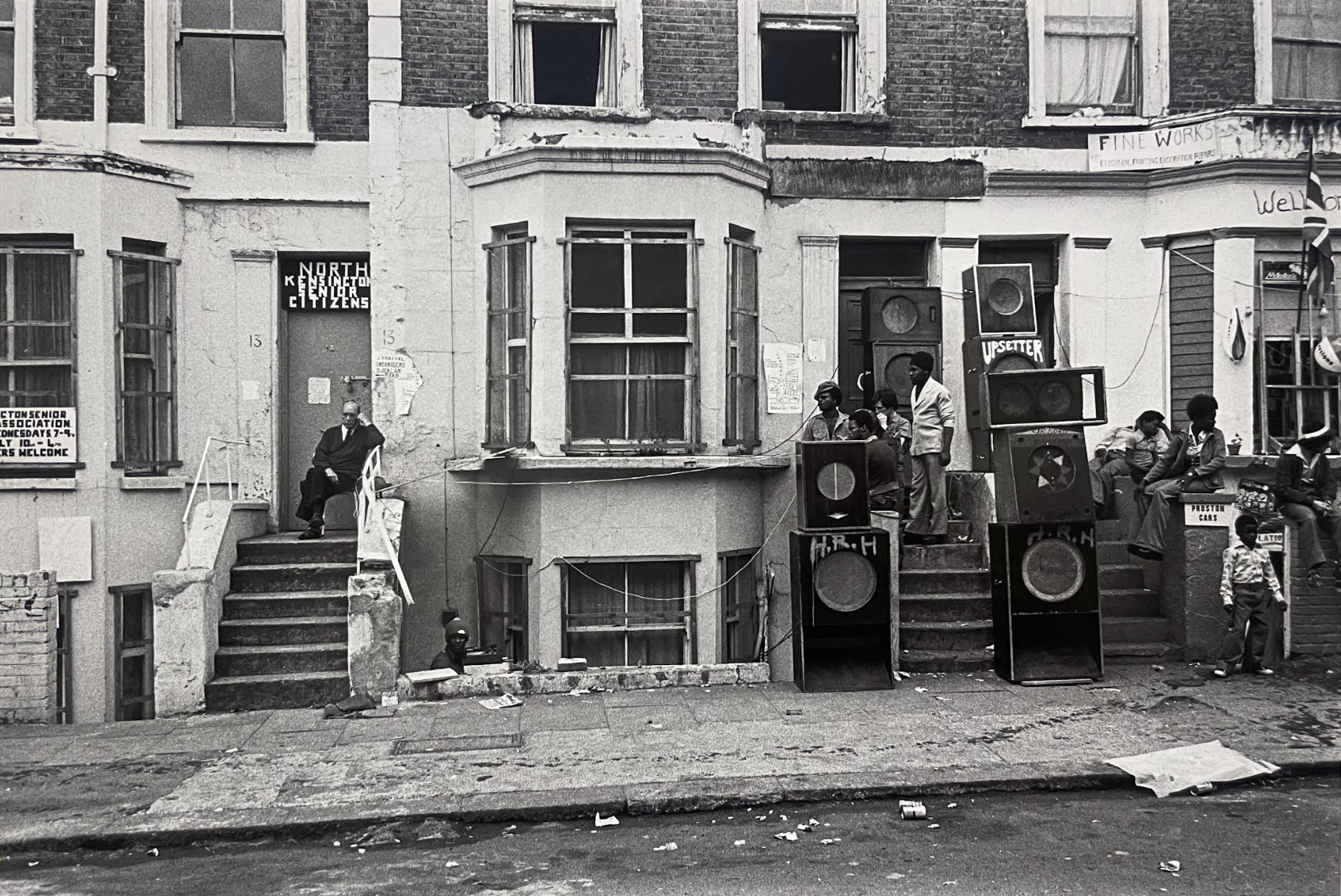
For many, protesting is an opportunity to influence how their environment, work and everyday life are governed. Many types of protest and resistance are displayed here, including some tried and tested tactics like marching, finding strength in numbers, critical mass and movement; holding placards, using words wisely to express ourselves, which translates as well in images as in person; laying down on the ground, attaching ourselves to fences, using our body as an obstacle to shut down roads, to interrupt day-to-day activities and ensure we are being heard; organising funerals and vigils in remembrance of the loved ones or strangers lost in circumstances of injustice; and finally using hope, joy and love (as in the Notting Hill Carnival or the ‘kiss ins’ of Gay Pride) as acts of resistance in opposition to the violence and discrimination that communities face, thus reclaiming and retelling one’s own story.
.jpeg)
Photography plays a crucial role in this process as it’s used to document the living conditions that are being contested, publicising them to people who might not usually be exposed to these conditions; the moments of action, protest and resistance themselves; instances of arrest and violence from the authorities; but also moments of tenderness and care amongst the protesters, highlighting the humanity of people who may otherwise be demonised. Crucially, photography also serves to remind us of those who came before. Protestors of the past give protesters of the present the courage to defend their rights, to fight for what they believe in and to strive for a better world.
What really struck me when visiting this exhibition was just how much history tends to repeat itself. It’s impossible not to draw parallels between the different protests on show over the years. The most conspicuous example of this, visually, is the march for jobs, which was organised in 1936 and then again in 1981, half a century later, as strikers followed the exact same route around the country to contest rising unemployment. But there are countless other examples of history repeating itself and the fight for justice unfolding again and again in this exhibition, like the antifascism and antiracism protests (the Battle of Cable Street in 1946 followed by the Battle of Lewisham in 1977), the Blind Marches of 1920 and 1975, and the protests for women's rights (with the Suffragettes in 1913 and then the Women's Liberation Movement of 1971).
.jpeg)
When history inevitably repeats itself, it's important to look to the past, across borders and generations, to take inspiration from the courageous people who fought against injustice before us. Whilst it can be tempting to be defeatist about these recurring challenges, I believe that each time we choose to stand up for ourselves, we move forward a little bit. The results of these collective acts of resistance are cumulative, and this is a particularly crucial thing to remember at a time when our right to protest is endangered. The photographs in this exhibition are a powerful reminder that an alternative future is possible.
Misan Harriman: ‘The Purpose of Light’ at Hope 93, London

‘The Purpose of Light’ is an exhibition of photographs taken by Misan Harriman at various protests in London over the last few years, thus complementing the exhibition in Edinburgh perfectly. Some of the protests and demonstrations included are Black Lives Matter, Trans Lives Matter, March for Palestine and Justice for Grenfell. The images in this exhibition are portraits of the protesters in all of their diversity and raw emotion, but also serve as a powerful reminder of the enduring power of the people.
This power comes in many forms. There’s the power of words and the punch that comes from a well-worded panel. There are words of hope, wisdom, love, wit, rage; heartbreaking words and uplifting words. There’s the power of attire to express one's alliance to a community and support to a cause, so symbolic that there’s no need for explicit wording. There’s the power in showing up, not allowing someone else to silence you and strip you of your voice, even when restrictions on the freedom to protest become greater and the rate of arrests at protests increases.

Above all, there’s power in unity, when lots of people from different backgrounds, different faiths and different generations come together to protest a single issue. This unity and diversity – when people set their differences aside for the greater good and fight for a cause that doesn't necessarily affect them directly, simply because they truly believe in it – this is what gives an argument real validity and allows hope to flourish.
Misan Harriman says that ‘more than anything else, it is [his] hope that [his] work will make people know that they are not alone’ – a message that comes across loud and clear within this compelling call for action, unity, community and alliance.


Now that January is here, the flood of 'year in review' articles and opinion pieces has made it clear that 2025 was a turbulent year. Over the past year, wars, environmental catastrophes, and the rise of extremism and division repeatedly made headlines. What can ordinary people do in the face of such turmoil and conflict? We can turn towards peaceful protest. When we feel powerless and voiceless, we can take to the streets and ensure that our voice is heard loud and clear. When we feel small in the face of it all, we can join others to create a bigger whole and become a force to be reckoned with. Peaceful protest, this age-old act of resistance, is the subject of two photography exhibitions in the UK right now: ‘Resistance’ at the National Galleries of Scotland (Modern Two) in Edinburgh and ‘The Purpose of Light’ at Hope 93 in London.
Resistance at the National Galleries of Scotland (Modern Two), Edinburgh
‘Resistance: How protest shaped Britain and photography shaped protest’ is a large, comprehensive exhibition which highlights the role of protest in shaping politics and history throughout the 20th century, from the Suffragettes in 1903 through to the Iraq war in 2003, as seen through the eyes of photographers. Curated by film director Steve McQueen, this exhibition includes some really striking images, both visually and in terms of the message they carry.
For many, protesting is an opportunity to influence how their environment, work and everyday life are governed. Many types of protest and resistance are displayed here, including some tried and tested tactics like marching, finding strength in numbers, critical mass and movement; holding placards, using words wisely to express ourselves, which translates as well in images as in person; laying down on the ground, attaching ourselves to fences, using our body as an obstacle to shut down roads, to interrupt day-to-day activities and ensure we are being heard; organising funerals and vigils in remembrance of the loved ones or strangers lost in circumstances of injustice; and finally using hope, joy and love (as in the Notting Hill Carnival or the ‘kiss ins’ of Gay Pride) as acts of resistance in opposition to the violence and discrimination that communities face, thus reclaiming and retelling one’s own story.
Photography plays a crucial role in this process as it’s used to document the living conditions that are being contested, publicising them to people who might not usually be exposed to these conditions; the moments of action, protest and resistance themselves; instances of arrest and violence from the authorities; but also moments of tenderness and care amongst the protesters, highlighting the humanity of people who may otherwise be demonised. Crucially, photography also serves to remind us of those who came before. Protestors of the past give protesters of the present the courage to defend their rights, to fight for what they believe in and to strive for a better world.
What really struck me when visiting this exhibition was just how much history tends to repeat itself. It’s impossible not to draw parallels between the different protests on show over the years. The most conspicuous example of this, visually, is the march for jobs, which was organised in 1936 and then again in 1981, half a century later, as strikers followed the exact same route around the country to contest rising unemployment. But there are countless other examples of history repeating itself and the fight for justice unfolding again and again in this exhibition, like the antifascism and antiracism protests (the Battle of Cable Street in 1946 followed by the Battle of Lewisham in 1977), the Blind Marches of 1920 and 1975, and the protests for women's rights (with the Suffragettes in 1913 and then the Women's Liberation Movement of 1971).
When history inevitably repeats itself, it's important to look to the past, across borders and generations, to take inspiration from the courageous people who fought against injustice before us. Whilst it can be tempting to be defeatist about these recurring challenges, I believe that each time we choose to stand up for ourselves, we move forward a little bit. The results of these collective acts of resistance are cumulative, and this is a particularly crucial thing to remember at a time when our right to protest is endangered. The photographs in this exhibition are a powerful reminder that an alternative future is possible.
Misan Harriman: ‘The Purpose of Light’ at Hope 93, London
‘The Purpose of Light’ is an exhibition of photographs taken by Misan Harriman at various protests in London over the last few years, thus complementing the exhibition in Edinburgh perfectly. Some of the protests and demonstrations included are Black Lives Matter, Trans Lives Matter, March for Palestine and Justice for Grenfell. The images in this exhibition are portraits of the protesters in all of their diversity and raw emotion, but also serve as a powerful reminder of the enduring power of the people.
This power comes in many forms. There’s the power of words and the punch that comes from a well-worded panel. There are words of hope, wisdom, love, wit, rage; heartbreaking words and uplifting words. There’s the power of attire to express one's alliance to a community and support to a cause, so symbolic that there’s no need for explicit wording. There’s the power in showing up, not allowing someone else to silence you and strip you of your voice, even when restrictions on the freedom to protest become greater and the rate of arrests at protests increases.
Above all, there’s power in unity, when lots of people from different backgrounds, different faiths and different generations come together to protest a single issue. This unity and diversity – when people set their differences aside for the greater good and fight for a cause that doesn't necessarily affect them directly, simply because they truly believe in it – this is what gives an argument real validity and allows hope to flourish.
Misan Harriman says that ‘more than anything else, it is [his] hope that [his] work will make people know that they are not alone’ – a message that comes across loud and clear within this compelling call for action, unity, community and alliance.
Now that January is here, the flood of 'year in review' articles and opinion pieces has made it clear that 2025 was a turbulent year. Over the past year, wars, environmental catastrophes, and the rise of extremism and division repeatedly made headlines. What can ordinary people do in the face of such turmoil and conflict? We can turn towards peaceful protest. When we feel powerless and voiceless, we can take to the streets and ensure that our voice is heard loud and clear. When we feel small in the face of it all, we can join others to create a bigger whole and become a force to be reckoned with. Peaceful protest, this age-old act of resistance, is the subject of two photography exhibitions in the UK right now: ‘Resistance’ at the National Galleries of Scotland (Modern Two) in Edinburgh and ‘The Purpose of Light’ at Hope 93 in London.
Resistance at the National Galleries of Scotland (Modern Two), Edinburgh
‘Resistance: How protest shaped Britain and photography shaped protest’ is a large, comprehensive exhibition which highlights the role of protest in shaping politics and history throughout the 20th century, from the Suffragettes in 1903 through to the Iraq war in 2003, as seen through the eyes of photographers. Curated by film director Steve McQueen, this exhibition includes some really striking images, both visually and in terms of the message they carry.
For many, protesting is an opportunity to influence how their environment, work and everyday life are governed. Many types of protest and resistance are displayed here, including some tried and tested tactics like marching, finding strength in numbers, critical mass and movement; holding placards, using words wisely to express ourselves, which translates as well in images as in person; laying down on the ground, attaching ourselves to fences, using our body as an obstacle to shut down roads, to interrupt day-to-day activities and ensure we are being heard; organising funerals and vigils in remembrance of the loved ones or strangers lost in circumstances of injustice; and finally using hope, joy and love (as in the Notting Hill Carnival or the ‘kiss ins’ of Gay Pride) as acts of resistance in opposition to the violence and discrimination that communities face, thus reclaiming and retelling one’s own story.
Photography plays a crucial role in this process as it’s used to document the living conditions that are being contested, publicising them to people who might not usually be exposed to these conditions; the moments of action, protest and resistance themselves; instances of arrest and violence from the authorities; but also moments of tenderness and care amongst the protesters, highlighting the humanity of people who may otherwise be demonised. Crucially, photography also serves to remind us of those who came before. Protestors of the past give protesters of the present the courage to defend their rights, to fight for what they believe in and to strive for a better world.
What really struck me when visiting this exhibition was just how much history tends to repeat itself. It’s impossible not to draw parallels between the different protests on show over the years. The most conspicuous example of this, visually, is the march for jobs, which was organised in 1936 and then again in 1981, half a century later, as strikers followed the exact same route around the country to contest rising unemployment. But there are countless other examples of history repeating itself and the fight for justice unfolding again and again in this exhibition, like the antifascism and antiracism protests (the Battle of Cable Street in 1946 followed by the Battle of Lewisham in 1977), the Blind Marches of 1920 and 1975, and the protests for women's rights (with the Suffragettes in 1913 and then the Women's Liberation Movement of 1971).
When history inevitably repeats itself, it's important to look to the past, across borders and generations, to take inspiration from the courageous people who fought against injustice before us. Whilst it can be tempting to be defeatist about these recurring challenges, I believe that each time we choose to stand up for ourselves, we move forward a little bit. The results of these collective acts of resistance are cumulative, and this is a particularly crucial thing to remember at a time when our right to protest is endangered. The photographs in this exhibition are a powerful reminder that an alternative future is possible.
Misan Harriman: ‘The Purpose of Light’ at Hope 93, London
‘The Purpose of Light’ is an exhibition of photographs taken by Misan Harriman at various protests in London over the last few years, thus complementing the exhibition in Edinburgh perfectly. Some of the protests and demonstrations included are Black Lives Matter, Trans Lives Matter, March for Palestine and Justice for Grenfell. The images in this exhibition are portraits of the protesters in all of their diversity and raw emotion, but also serve as a powerful reminder of the enduring power of the people.
This power comes in many forms. There’s the power of words and the punch that comes from a well-worded panel. There are words of hope, wisdom, love, wit, rage; heartbreaking words and uplifting words. There’s the power of attire to express one's alliance to a community and support to a cause, so symbolic that there’s no need for explicit wording. There’s the power in showing up, not allowing someone else to silence you and strip you of your voice, even when restrictions on the freedom to protest become greater and the rate of arrests at protests increases.
Above all, there’s power in unity, when lots of people from different backgrounds, different faiths and different generations come together to protest a single issue. This unity and diversity – when people set their differences aside for the greater good and fight for a cause that doesn't necessarily affect them directly, simply because they truly believe in it – this is what gives an argument real validity and allows hope to flourish.
Misan Harriman says that ‘more than anything else, it is [his] hope that [his] work will make people know that they are not alone’ – a message that comes across loud and clear within this compelling call for action, unity, community and alliance.
Now that January is here, the flood of 'year in review' articles and opinion pieces has made it clear that 2025 was a turbulent year. Over the past year, wars, environmental catastrophes, and the rise of extremism and division repeatedly made headlines. What can ordinary people do in the face of such turmoil and conflict? We can turn towards peaceful protest. When we feel powerless and voiceless, we can take to the streets and ensure that our voice is heard loud and clear. When we feel small in the face of it all, we can join others to create a bigger whole and become a force to be reckoned with. Peaceful protest, this age-old act of resistance, is the subject of two photography exhibitions in the UK right now: ‘Resistance’ at the National Galleries of Scotland (Modern Two) in Edinburgh and ‘The Purpose of Light’ at Hope 93 in London.
Resistance at the National Galleries of Scotland (Modern Two), Edinburgh
‘Resistance: How protest shaped Britain and photography shaped protest’ is a large, comprehensive exhibition which highlights the role of protest in shaping politics and history throughout the 20th century, from the Suffragettes in 1903 through to the Iraq war in 2003, as seen through the eyes of photographers. Curated by film director Steve McQueen, this exhibition includes some really striking images, both visually and in terms of the message they carry.
For many, protesting is an opportunity to influence how their environment, work and everyday life are governed. Many types of protest and resistance are displayed here, including some tried and tested tactics like marching, finding strength in numbers, critical mass and movement; holding placards, using words wisely to express ourselves, which translates as well in images as in person; laying down on the ground, attaching ourselves to fences, using our body as an obstacle to shut down roads, to interrupt day-to-day activities and ensure we are being heard; organising funerals and vigils in remembrance of the loved ones or strangers lost in circumstances of injustice; and finally using hope, joy and love (as in the Notting Hill Carnival or the ‘kiss ins’ of Gay Pride) as acts of resistance in opposition to the violence and discrimination that communities face, thus reclaiming and retelling one’s own story.
Photography plays a crucial role in this process as it’s used to document the living conditions that are being contested, publicising them to people who might not usually be exposed to these conditions; the moments of action, protest and resistance themselves; instances of arrest and violence from the authorities; but also moments of tenderness and care amongst the protesters, highlighting the humanity of people who may otherwise be demonised. Crucially, photography also serves to remind us of those who came before. Protestors of the past give protesters of the present the courage to defend their rights, to fight for what they believe in and to strive for a better world.
What really struck me when visiting this exhibition was just how much history tends to repeat itself. It’s impossible not to draw parallels between the different protests on show over the years. The most conspicuous example of this, visually, is the march for jobs, which was organised in 1936 and then again in 1981, half a century later, as strikers followed the exact same route around the country to contest rising unemployment. But there are countless other examples of history repeating itself and the fight for justice unfolding again and again in this exhibition, like the antifascism and antiracism protests (the Battle of Cable Street in 1946 followed by the Battle of Lewisham in 1977), the Blind Marches of 1920 and 1975, and the protests for women's rights (with the Suffragettes in 1913 and then the Women's Liberation Movement of 1971).
When history inevitably repeats itself, it's important to look to the past, across borders and generations, to take inspiration from the courageous people who fought against injustice before us. Whilst it can be tempting to be defeatist about these recurring challenges, I believe that each time we choose to stand up for ourselves, we move forward a little bit. The results of these collective acts of resistance are cumulative, and this is a particularly crucial thing to remember at a time when our right to protest is endangered. The photographs in this exhibition are a powerful reminder that an alternative future is possible.
Misan Harriman: ‘The Purpose of Light’ at Hope 93, London
‘The Purpose of Light’ is an exhibition of photographs taken by Misan Harriman at various protests in London over the last few years, thus complementing the exhibition in Edinburgh perfectly. Some of the protests and demonstrations included are Black Lives Matter, Trans Lives Matter, March for Palestine and Justice for Grenfell. The images in this exhibition are portraits of the protesters in all of their diversity and raw emotion, but also serve as a powerful reminder of the enduring power of the people.
This power comes in many forms. There’s the power of words and the punch that comes from a well-worded panel. There are words of hope, wisdom, love, wit, rage; heartbreaking words and uplifting words. There’s the power of attire to express one's alliance to a community and support to a cause, so symbolic that there’s no need for explicit wording. There’s the power in showing up, not allowing someone else to silence you and strip you of your voice, even when restrictions on the freedom to protest become greater and the rate of arrests at protests increases.
Above all, there’s power in unity, when lots of people from different backgrounds, different faiths and different generations come together to protest a single issue. This unity and diversity – when people set their differences aside for the greater good and fight for a cause that doesn't necessarily affect them directly, simply because they truly believe in it – this is what gives an argument real validity and allows hope to flourish.
Misan Harriman says that ‘more than anything else, it is [his] hope that [his] work will make people know that they are not alone’ – a message that comes across loud and clear within this compelling call for action, unity, community and alliance.
Now that January is here, the flood of 'year in review' articles and opinion pieces has made it clear that 2025 was a turbulent year. Over the past year, wars, environmental catastrophes, and the rise of extremism and division repeatedly made headlines. What can ordinary people do in the face of such turmoil and conflict? We can turn towards peaceful protest. When we feel powerless and voiceless, we can take to the streets and ensure that our voice is heard loud and clear. When we feel small in the face of it all, we can join others to create a bigger whole and become a force to be reckoned with. Peaceful protest, this age-old act of resistance, is the subject of two photography exhibitions in the UK right now: ‘Resistance’ at the National Galleries of Scotland (Modern Two) in Edinburgh and ‘The Purpose of Light’ at Hope 93 in London.
Resistance at the National Galleries of Scotland (Modern Two), Edinburgh
‘Resistance: How protest shaped Britain and photography shaped protest’ is a large, comprehensive exhibition which highlights the role of protest in shaping politics and history throughout the 20th century, from the Suffragettes in 1903 through to the Iraq war in 2003, as seen through the eyes of photographers. Curated by film director Steve McQueen, this exhibition includes some really striking images, both visually and in terms of the message they carry.
For many, protesting is an opportunity to influence how their environment, work and everyday life are governed. Many types of protest and resistance are displayed here, including some tried and tested tactics like marching, finding strength in numbers, critical mass and movement; holding placards, using words wisely to express ourselves, which translates as well in images as in person; laying down on the ground, attaching ourselves to fences, using our body as an obstacle to shut down roads, to interrupt day-to-day activities and ensure we are being heard; organising funerals and vigils in remembrance of the loved ones or strangers lost in circumstances of injustice; and finally using hope, joy and love (as in the Notting Hill Carnival or the ‘kiss ins’ of Gay Pride) as acts of resistance in opposition to the violence and discrimination that communities face, thus reclaiming and retelling one’s own story.
Photography plays a crucial role in this process as it’s used to document the living conditions that are being contested, publicising them to people who might not usually be exposed to these conditions; the moments of action, protest and resistance themselves; instances of arrest and violence from the authorities; but also moments of tenderness and care amongst the protesters, highlighting the humanity of people who may otherwise be demonised. Crucially, photography also serves to remind us of those who came before. Protestors of the past give protesters of the present the courage to defend their rights, to fight for what they believe in and to strive for a better world.
What really struck me when visiting this exhibition was just how much history tends to repeat itself. It’s impossible not to draw parallels between the different protests on show over the years. The most conspicuous example of this, visually, is the march for jobs, which was organised in 1936 and then again in 1981, half a century later, as strikers followed the exact same route around the country to contest rising unemployment. But there are countless other examples of history repeating itself and the fight for justice unfolding again and again in this exhibition, like the antifascism and antiracism protests (the Battle of Cable Street in 1946 followed by the Battle of Lewisham in 1977), the Blind Marches of 1920 and 1975, and the protests for women's rights (with the Suffragettes in 1913 and then the Women's Liberation Movement of 1971).
When history inevitably repeats itself, it's important to look to the past, across borders and generations, to take inspiration from the courageous people who fought against injustice before us. Whilst it can be tempting to be defeatist about these recurring challenges, I believe that each time we choose to stand up for ourselves, we move forward a little bit. The results of these collective acts of resistance are cumulative, and this is a particularly crucial thing to remember at a time when our right to protest is endangered. The photographs in this exhibition are a powerful reminder that an alternative future is possible.
Misan Harriman: ‘The Purpose of Light’ at Hope 93, London
‘The Purpose of Light’ is an exhibition of photographs taken by Misan Harriman at various protests in London over the last few years, thus complementing the exhibition in Edinburgh perfectly. Some of the protests and demonstrations included are Black Lives Matter, Trans Lives Matter, March for Palestine and Justice for Grenfell. The images in this exhibition are portraits of the protesters in all of their diversity and raw emotion, but also serve as a powerful reminder of the enduring power of the people.
This power comes in many forms. There’s the power of words and the punch that comes from a well-worded panel. There are words of hope, wisdom, love, wit, rage; heartbreaking words and uplifting words. There’s the power of attire to express one's alliance to a community and support to a cause, so symbolic that there’s no need for explicit wording. There’s the power in showing up, not allowing someone else to silence you and strip you of your voice, even when restrictions on the freedom to protest become greater and the rate of arrests at protests increases.
Above all, there’s power in unity, when lots of people from different backgrounds, different faiths and different generations come together to protest a single issue. This unity and diversity – when people set their differences aside for the greater good and fight for a cause that doesn't necessarily affect them directly, simply because they truly believe in it – this is what gives an argument real validity and allows hope to flourish.
Misan Harriman says that ‘more than anything else, it is [his] hope that [his] work will make people know that they are not alone’ – a message that comes across loud and clear within this compelling call for action, unity, community and alliance.
Now that January is here, the flood of 'year in review' articles and opinion pieces has made it clear that 2025 was a turbulent year. Over the past year, wars, environmental catastrophes, and the rise of extremism and division repeatedly made headlines. What can ordinary people do in the face of such turmoil and conflict? We can turn towards peaceful protest. When we feel powerless and voiceless, we can take to the streets and ensure that our voice is heard loud and clear. When we feel small in the face of it all, we can join others to create a bigger whole and become a force to be reckoned with. Peaceful protest, this age-old act of resistance, is the subject of two photography exhibitions in the UK right now: ‘Resistance’ at the National Galleries of Scotland (Modern Two) in Edinburgh and ‘The Purpose of Light’ at Hope 93 in London.
Resistance at the National Galleries of Scotland (Modern Two), Edinburgh
‘Resistance: How protest shaped Britain and photography shaped protest’ is a large, comprehensive exhibition which highlights the role of protest in shaping politics and history throughout the 20th century, from the Suffragettes in 1903 through to the Iraq war in 2003, as seen through the eyes of photographers. Curated by film director Steve McQueen, this exhibition includes some really striking images, both visually and in terms of the message they carry.
For many, protesting is an opportunity to influence how their environment, work and everyday life are governed. Many types of protest and resistance are displayed here, including some tried and tested tactics like marching, finding strength in numbers, critical mass and movement; holding placards, using words wisely to express ourselves, which translates as well in images as in person; laying down on the ground, attaching ourselves to fences, using our body as an obstacle to shut down roads, to interrupt day-to-day activities and ensure we are being heard; organising funerals and vigils in remembrance of the loved ones or strangers lost in circumstances of injustice; and finally using hope, joy and love (as in the Notting Hill Carnival or the ‘kiss ins’ of Gay Pride) as acts of resistance in opposition to the violence and discrimination that communities face, thus reclaiming and retelling one’s own story.
Photography plays a crucial role in this process as it’s used to document the living conditions that are being contested, publicising them to people who might not usually be exposed to these conditions; the moments of action, protest and resistance themselves; instances of arrest and violence from the authorities; but also moments of tenderness and care amongst the protesters, highlighting the humanity of people who may otherwise be demonised. Crucially, photography also serves to remind us of those who came before. Protestors of the past give protesters of the present the courage to defend their rights, to fight for what they believe in and to strive for a better world.
What really struck me when visiting this exhibition was just how much history tends to repeat itself. It’s impossible not to draw parallels between the different protests on show over the years. The most conspicuous example of this, visually, is the march for jobs, which was organised in 1936 and then again in 1981, half a century later, as strikers followed the exact same route around the country to contest rising unemployment. But there are countless other examples of history repeating itself and the fight for justice unfolding again and again in this exhibition, like the antifascism and antiracism protests (the Battle of Cable Street in 1946 followed by the Battle of Lewisham in 1977), the Blind Marches of 1920 and 1975, and the protests for women's rights (with the Suffragettes in 1913 and then the Women's Liberation Movement of 1971).
When history inevitably repeats itself, it's important to look to the past, across borders and generations, to take inspiration from the courageous people who fought against injustice before us. Whilst it can be tempting to be defeatist about these recurring challenges, I believe that each time we choose to stand up for ourselves, we move forward a little bit. The results of these collective acts of resistance are cumulative, and this is a particularly crucial thing to remember at a time when our right to protest is endangered. The photographs in this exhibition are a powerful reminder that an alternative future is possible.
Misan Harriman: ‘The Purpose of Light’ at Hope 93, London
‘The Purpose of Light’ is an exhibition of photographs taken by Misan Harriman at various protests in London over the last few years, thus complementing the exhibition in Edinburgh perfectly. Some of the protests and demonstrations included are Black Lives Matter, Trans Lives Matter, March for Palestine and Justice for Grenfell. The images in this exhibition are portraits of the protesters in all of their diversity and raw emotion, but also serve as a powerful reminder of the enduring power of the people.
This power comes in many forms. There’s the power of words and the punch that comes from a well-worded panel. There are words of hope, wisdom, love, wit, rage; heartbreaking words and uplifting words. There’s the power of attire to express one's alliance to a community and support to a cause, so symbolic that there’s no need for explicit wording. There’s the power in showing up, not allowing someone else to silence you and strip you of your voice, even when restrictions on the freedom to protest become greater and the rate of arrests at protests increases.
Above all, there’s power in unity, when lots of people from different backgrounds, different faiths and different generations come together to protest a single issue. This unity and diversity – when people set their differences aside for the greater good and fight for a cause that doesn't necessarily affect them directly, simply because they truly believe in it – this is what gives an argument real validity and allows hope to flourish.
Misan Harriman says that ‘more than anything else, it is [his] hope that [his] work will make people know that they are not alone’ – a message that comes across loud and clear within this compelling call for action, unity, community and alliance.
Now that January is here, the flood of 'year in review' articles and opinion pieces has made it clear that 2025 was a turbulent year. Over the past year, wars, environmental catastrophes, and the rise of extremism and division repeatedly made headlines. What can ordinary people do in the face of such turmoil and conflict? We can turn towards peaceful protest. When we feel powerless and voiceless, we can take to the streets and ensure that our voice is heard loud and clear. When we feel small in the face of it all, we can join others to create a bigger whole and become a force to be reckoned with. Peaceful protest, this age-old act of resistance, is the subject of two photography exhibitions in the UK right now: ‘Resistance’ at the National Galleries of Scotland (Modern Two) in Edinburgh and ‘The Purpose of Light’ at Hope 93 in London.
Resistance at the National Galleries of Scotland (Modern Two), Edinburgh
‘Resistance: How protest shaped Britain and photography shaped protest’ is a large, comprehensive exhibition which highlights the role of protest in shaping politics and history throughout the 20th century, from the Suffragettes in 1903 through to the Iraq war in 2003, as seen through the eyes of photographers. Curated by film director Steve McQueen, this exhibition includes some really striking images, both visually and in terms of the message they carry.
For many, protesting is an opportunity to influence how their environment, work and everyday life are governed. Many types of protest and resistance are displayed here, including some tried and tested tactics like marching, finding strength in numbers, critical mass and movement; holding placards, using words wisely to express ourselves, which translates as well in images as in person; laying down on the ground, attaching ourselves to fences, using our body as an obstacle to shut down roads, to interrupt day-to-day activities and ensure we are being heard; organising funerals and vigils in remembrance of the loved ones or strangers lost in circumstances of injustice; and finally using hope, joy and love (as in the Notting Hill Carnival or the ‘kiss ins’ of Gay Pride) as acts of resistance in opposition to the violence and discrimination that communities face, thus reclaiming and retelling one’s own story.
Photography plays a crucial role in this process as it’s used to document the living conditions that are being contested, publicising them to people who might not usually be exposed to these conditions; the moments of action, protest and resistance themselves; instances of arrest and violence from the authorities; but also moments of tenderness and care amongst the protesters, highlighting the humanity of people who may otherwise be demonised. Crucially, photography also serves to remind us of those who came before. Protestors of the past give protesters of the present the courage to defend their rights, to fight for what they believe in and to strive for a better world.
What really struck me when visiting this exhibition was just how much history tends to repeat itself. It’s impossible not to draw parallels between the different protests on show over the years. The most conspicuous example of this, visually, is the march for jobs, which was organised in 1936 and then again in 1981, half a century later, as strikers followed the exact same route around the country to contest rising unemployment. But there are countless other examples of history repeating itself and the fight for justice unfolding again and again in this exhibition, like the antifascism and antiracism protests (the Battle of Cable Street in 1946 followed by the Battle of Lewisham in 1977), the Blind Marches of 1920 and 1975, and the protests for women's rights (with the Suffragettes in 1913 and then the Women's Liberation Movement of 1971).
When history inevitably repeats itself, it's important to look to the past, across borders and generations, to take inspiration from the courageous people who fought against injustice before us. Whilst it can be tempting to be defeatist about these recurring challenges, I believe that each time we choose to stand up for ourselves, we move forward a little bit. The results of these collective acts of resistance are cumulative, and this is a particularly crucial thing to remember at a time when our right to protest is endangered. The photographs in this exhibition are a powerful reminder that an alternative future is possible.
Misan Harriman: ‘The Purpose of Light’ at Hope 93, London
‘The Purpose of Light’ is an exhibition of photographs taken by Misan Harriman at various protests in London over the last few years, thus complementing the exhibition in Edinburgh perfectly. Some of the protests and demonstrations included are Black Lives Matter, Trans Lives Matter, March for Palestine and Justice for Grenfell. The images in this exhibition are portraits of the protesters in all of their diversity and raw emotion, but also serve as a powerful reminder of the enduring power of the people.
This power comes in many forms. There’s the power of words and the punch that comes from a well-worded panel. There are words of hope, wisdom, love, wit, rage; heartbreaking words and uplifting words. There’s the power of attire to express one's alliance to a community and support to a cause, so symbolic that there’s no need for explicit wording. There’s the power in showing up, not allowing someone else to silence you and strip you of your voice, even when restrictions on the freedom to protest become greater and the rate of arrests at protests increases.
Above all, there’s power in unity, when lots of people from different backgrounds, different faiths and different generations come together to protest a single issue. This unity and diversity – when people set their differences aside for the greater good and fight for a cause that doesn't necessarily affect them directly, simply because they truly believe in it – this is what gives an argument real validity and allows hope to flourish.
Misan Harriman says that ‘more than anything else, it is [his] hope that [his] work will make people know that they are not alone’ – a message that comes across loud and clear within this compelling call for action, unity, community and alliance.
Now that January is here, the flood of 'year in review' articles and opinion pieces has made it clear that 2025 was a turbulent year. Over the past year, wars, environmental catastrophes, and the rise of extremism and division repeatedly made headlines. What can ordinary people do in the face of such turmoil and conflict? We can turn towards peaceful protest. When we feel powerless and voiceless, we can take to the streets and ensure that our voice is heard loud and clear. When we feel small in the face of it all, we can join others to create a bigger whole and become a force to be reckoned with. Peaceful protest, this age-old act of resistance, is the subject of two photography exhibitions in the UK right now: ‘Resistance’ at the National Galleries of Scotland (Modern Two) in Edinburgh and ‘The Purpose of Light’ at Hope 93 in London.
Resistance at the National Galleries of Scotland (Modern Two), Edinburgh
‘Resistance: How protest shaped Britain and photography shaped protest’ is a large, comprehensive exhibition which highlights the role of protest in shaping politics and history throughout the 20th century, from the Suffragettes in 1903 through to the Iraq war in 2003, as seen through the eyes of photographers. Curated by film director Steve McQueen, this exhibition includes some really striking images, both visually and in terms of the message they carry.
For many, protesting is an opportunity to influence how their environment, work and everyday life are governed. Many types of protest and resistance are displayed here, including some tried and tested tactics like marching, finding strength in numbers, critical mass and movement; holding placards, using words wisely to express ourselves, which translates as well in images as in person; laying down on the ground, attaching ourselves to fences, using our body as an obstacle to shut down roads, to interrupt day-to-day activities and ensure we are being heard; organising funerals and vigils in remembrance of the loved ones or strangers lost in circumstances of injustice; and finally using hope, joy and love (as in the Notting Hill Carnival or the ‘kiss ins’ of Gay Pride) as acts of resistance in opposition to the violence and discrimination that communities face, thus reclaiming and retelling one’s own story.
Photography plays a crucial role in this process as it’s used to document the living conditions that are being contested, publicising them to people who might not usually be exposed to these conditions; the moments of action, protest and resistance themselves; instances of arrest and violence from the authorities; but also moments of tenderness and care amongst the protesters, highlighting the humanity of people who may otherwise be demonised. Crucially, photography also serves to remind us of those who came before. Protestors of the past give protesters of the present the courage to defend their rights, to fight for what they believe in and to strive for a better world.
What really struck me when visiting this exhibition was just how much history tends to repeat itself. It’s impossible not to draw parallels between the different protests on show over the years. The most conspicuous example of this, visually, is the march for jobs, which was organised in 1936 and then again in 1981, half a century later, as strikers followed the exact same route around the country to contest rising unemployment. But there are countless other examples of history repeating itself and the fight for justice unfolding again and again in this exhibition, like the antifascism and antiracism protests (the Battle of Cable Street in 1946 followed by the Battle of Lewisham in 1977), the Blind Marches of 1920 and 1975, and the protests for women's rights (with the Suffragettes in 1913 and then the Women's Liberation Movement of 1971).
When history inevitably repeats itself, it's important to look to the past, across borders and generations, to take inspiration from the courageous people who fought against injustice before us. Whilst it can be tempting to be defeatist about these recurring challenges, I believe that each time we choose to stand up for ourselves, we move forward a little bit. The results of these collective acts of resistance are cumulative, and this is a particularly crucial thing to remember at a time when our right to protest is endangered. The photographs in this exhibition are a powerful reminder that an alternative future is possible.
Misan Harriman: ‘The Purpose of Light’ at Hope 93, London
‘The Purpose of Light’ is an exhibition of photographs taken by Misan Harriman at various protests in London over the last few years, thus complementing the exhibition in Edinburgh perfectly. Some of the protests and demonstrations included are Black Lives Matter, Trans Lives Matter, March for Palestine and Justice for Grenfell. The images in this exhibition are portraits of the protesters in all of their diversity and raw emotion, but also serve as a powerful reminder of the enduring power of the people.
This power comes in many forms. There’s the power of words and the punch that comes from a well-worded panel. There are words of hope, wisdom, love, wit, rage; heartbreaking words and uplifting words. There’s the power of attire to express one's alliance to a community and support to a cause, so symbolic that there’s no need for explicit wording. There’s the power in showing up, not allowing someone else to silence you and strip you of your voice, even when restrictions on the freedom to protest become greater and the rate of arrests at protests increases.
Above all, there’s power in unity, when lots of people from different backgrounds, different faiths and different generations come together to protest a single issue. This unity and diversity – when people set their differences aside for the greater good and fight for a cause that doesn't necessarily affect them directly, simply because they truly believe in it – this is what gives an argument real validity and allows hope to flourish.
Misan Harriman says that ‘more than anything else, it is [his] hope that [his] work will make people know that they are not alone’ – a message that comes across loud and clear within this compelling call for action, unity, community and alliance.
Now that January is here, the flood of 'year in review' articles and opinion pieces has made it clear that 2025 was a turbulent year. Over the past year, wars, environmental catastrophes, and the rise of extremism and division repeatedly made headlines. What can ordinary people do in the face of such turmoil and conflict? We can turn towards peaceful protest. When we feel powerless and voiceless, we can take to the streets and ensure that our voice is heard loud and clear. When we feel small in the face of it all, we can join others to create a bigger whole and become a force to be reckoned with. Peaceful protest, this age-old act of resistance, is the subject of two photography exhibitions in the UK right now: ‘Resistance’ at the National Galleries of Scotland (Modern Two) in Edinburgh and ‘The Purpose of Light’ at Hope 93 in London.
Resistance at the National Galleries of Scotland (Modern Two), Edinburgh
‘Resistance: How protest shaped Britain and photography shaped protest’ is a large, comprehensive exhibition which highlights the role of protest in shaping politics and history throughout the 20th century, from the Suffragettes in 1903 through to the Iraq war in 2003, as seen through the eyes of photographers. Curated by film director Steve McQueen, this exhibition includes some really striking images, both visually and in terms of the message they carry.
For many, protesting is an opportunity to influence how their environment, work and everyday life are governed. Many types of protest and resistance are displayed here, including some tried and tested tactics like marching, finding strength in numbers, critical mass and movement; holding placards, using words wisely to express ourselves, which translates as well in images as in person; laying down on the ground, attaching ourselves to fences, using our body as an obstacle to shut down roads, to interrupt day-to-day activities and ensure we are being heard; organising funerals and vigils in remembrance of the loved ones or strangers lost in circumstances of injustice; and finally using hope, joy and love (as in the Notting Hill Carnival or the ‘kiss ins’ of Gay Pride) as acts of resistance in opposition to the violence and discrimination that communities face, thus reclaiming and retelling one’s own story.
Photography plays a crucial role in this process as it’s used to document the living conditions that are being contested, publicising them to people who might not usually be exposed to these conditions; the moments of action, protest and resistance themselves; instances of arrest and violence from the authorities; but also moments of tenderness and care amongst the protesters, highlighting the humanity of people who may otherwise be demonised. Crucially, photography also serves to remind us of those who came before. Protestors of the past give protesters of the present the courage to defend their rights, to fight for what they believe in and to strive for a better world.
What really struck me when visiting this exhibition was just how much history tends to repeat itself. It’s impossible not to draw parallels between the different protests on show over the years. The most conspicuous example of this, visually, is the march for jobs, which was organised in 1936 and then again in 1981, half a century later, as strikers followed the exact same route around the country to contest rising unemployment. But there are countless other examples of history repeating itself and the fight for justice unfolding again and again in this exhibition, like the antifascism and antiracism protests (the Battle of Cable Street in 1946 followed by the Battle of Lewisham in 1977), the Blind Marches of 1920 and 1975, and the protests for women's rights (with the Suffragettes in 1913 and then the Women's Liberation Movement of 1971).
When history inevitably repeats itself, it's important to look to the past, across borders and generations, to take inspiration from the courageous people who fought against injustice before us. Whilst it can be tempting to be defeatist about these recurring challenges, I believe that each time we choose to stand up for ourselves, we move forward a little bit. The results of these collective acts of resistance are cumulative, and this is a particularly crucial thing to remember at a time when our right to protest is endangered. The photographs in this exhibition are a powerful reminder that an alternative future is possible.
Misan Harriman: ‘The Purpose of Light’ at Hope 93, London
‘The Purpose of Light’ is an exhibition of photographs taken by Misan Harriman at various protests in London over the last few years, thus complementing the exhibition in Edinburgh perfectly. Some of the protests and demonstrations included are Black Lives Matter, Trans Lives Matter, March for Palestine and Justice for Grenfell. The images in this exhibition are portraits of the protesters in all of their diversity and raw emotion, but also serve as a powerful reminder of the enduring power of the people.
This power comes in many forms. There’s the power of words and the punch that comes from a well-worded panel. There are words of hope, wisdom, love, wit, rage; heartbreaking words and uplifting words. There’s the power of attire to express one's alliance to a community and support to a cause, so symbolic that there’s no need for explicit wording. There’s the power in showing up, not allowing someone else to silence you and strip you of your voice, even when restrictions on the freedom to protest become greater and the rate of arrests at protests increases.
Above all, there’s power in unity, when lots of people from different backgrounds, different faiths and different generations come together to protest a single issue. This unity and diversity – when people set their differences aside for the greater good and fight for a cause that doesn't necessarily affect them directly, simply because they truly believe in it – this is what gives an argument real validity and allows hope to flourish.
Misan Harriman says that ‘more than anything else, it is [his] hope that [his] work will make people know that they are not alone’ – a message that comes across loud and clear within this compelling call for action, unity, community and alliance.
Now that January is here, the flood of 'year in review' articles and opinion pieces has made it clear that 2025 was a turbulent year. Over the past year, wars, environmental catastrophes, and the rise of extremism and division repeatedly made headlines. What can ordinary people do in the face of such turmoil and conflict? We can turn towards peaceful protest. When we feel powerless and voiceless, we can take to the streets and ensure that our voice is heard loud and clear. When we feel small in the face of it all, we can join others to create a bigger whole and become a force to be reckoned with. Peaceful protest, this age-old act of resistance, is the subject of two photography exhibitions in the UK right now: ‘Resistance’ at the National Galleries of Scotland (Modern Two) in Edinburgh and ‘The Purpose of Light’ at Hope 93 in London.
Resistance at the National Galleries of Scotland (Modern Two), Edinburgh
‘Resistance: How protest shaped Britain and photography shaped protest’ is a large, comprehensive exhibition which highlights the role of protest in shaping politics and history throughout the 20th century, from the Suffragettes in 1903 through to the Iraq war in 2003, as seen through the eyes of photographers. Curated by film director Steve McQueen, this exhibition includes some really striking images, both visually and in terms of the message they carry.
For many, protesting is an opportunity to influence how their environment, work and everyday life are governed. Many types of protest and resistance are displayed here, including some tried and tested tactics like marching, finding strength in numbers, critical mass and movement; holding placards, using words wisely to express ourselves, which translates as well in images as in person; laying down on the ground, attaching ourselves to fences, using our body as an obstacle to shut down roads, to interrupt day-to-day activities and ensure we are being heard; organising funerals and vigils in remembrance of the loved ones or strangers lost in circumstances of injustice; and finally using hope, joy and love (as in the Notting Hill Carnival or the ‘kiss ins’ of Gay Pride) as acts of resistance in opposition to the violence and discrimination that communities face, thus reclaiming and retelling one’s own story.
Photography plays a crucial role in this process as it’s used to document the living conditions that are being contested, publicising them to people who might not usually be exposed to these conditions; the moments of action, protest and resistance themselves; instances of arrest and violence from the authorities; but also moments of tenderness and care amongst the protesters, highlighting the humanity of people who may otherwise be demonised. Crucially, photography also serves to remind us of those who came before. Protestors of the past give protesters of the present the courage to defend their rights, to fight for what they believe in and to strive for a better world.
What really struck me when visiting this exhibition was just how much history tends to repeat itself. It’s impossible not to draw parallels between the different protests on show over the years. The most conspicuous example of this, visually, is the march for jobs, which was organised in 1936 and then again in 1981, half a century later, as strikers followed the exact same route around the country to contest rising unemployment. But there are countless other examples of history repeating itself and the fight for justice unfolding again and again in this exhibition, like the antifascism and antiracism protests (the Battle of Cable Street in 1946 followed by the Battle of Lewisham in 1977), the Blind Marches of 1920 and 1975, and the protests for women's rights (with the Suffragettes in 1913 and then the Women's Liberation Movement of 1971).
When history inevitably repeats itself, it's important to look to the past, across borders and generations, to take inspiration from the courageous people who fought against injustice before us. Whilst it can be tempting to be defeatist about these recurring challenges, I believe that each time we choose to stand up for ourselves, we move forward a little bit. The results of these collective acts of resistance are cumulative, and this is a particularly crucial thing to remember at a time when our right to protest is endangered. The photographs in this exhibition are a powerful reminder that an alternative future is possible.
Misan Harriman: ‘The Purpose of Light’ at Hope 93, London
‘The Purpose of Light’ is an exhibition of photographs taken by Misan Harriman at various protests in London over the last few years, thus complementing the exhibition in Edinburgh perfectly. Some of the protests and demonstrations included are Black Lives Matter, Trans Lives Matter, March for Palestine and Justice for Grenfell. The images in this exhibition are portraits of the protesters in all of their diversity and raw emotion, but also serve as a powerful reminder of the enduring power of the people.
This power comes in many forms. There’s the power of words and the punch that comes from a well-worded panel. There are words of hope, wisdom, love, wit, rage; heartbreaking words and uplifting words. There’s the power of attire to express one's alliance to a community and support to a cause, so symbolic that there’s no need for explicit wording. There’s the power in showing up, not allowing someone else to silence you and strip you of your voice, even when restrictions on the freedom to protest become greater and the rate of arrests at protests increases.
Above all, there’s power in unity, when lots of people from different backgrounds, different faiths and different generations come together to protest a single issue. This unity and diversity – when people set their differences aside for the greater good and fight for a cause that doesn't necessarily affect them directly, simply because they truly believe in it – this is what gives an argument real validity and allows hope to flourish.
Misan Harriman says that ‘more than anything else, it is [his] hope that [his] work will make people know that they are not alone’ – a message that comes across loud and clear within this compelling call for action, unity, community and alliance.
Now that January is here, the flood of 'year in review' articles and opinion pieces has made it clear that 2025 was a turbulent year. Over the past year, wars, environmental catastrophes, and the rise of extremism and division repeatedly made headlines. What can ordinary people do in the face of such turmoil and conflict? We can turn towards peaceful protest. When we feel powerless and voiceless, we can take to the streets and ensure that our voice is heard loud and clear. When we feel small in the face of it all, we can join others to create a bigger whole and become a force to be reckoned with. Peaceful protest, this age-old act of resistance, is the subject of two photography exhibitions in the UK right now: ‘Resistance’ at the National Galleries of Scotland (Modern Two) in Edinburgh and ‘The Purpose of Light’ at Hope 93 in London.
Resistance at the National Galleries of Scotland (Modern Two), Edinburgh
‘Resistance: How protest shaped Britain and photography shaped protest’ is a large, comprehensive exhibition which highlights the role of protest in shaping politics and history throughout the 20th century, from the Suffragettes in 1903 through to the Iraq war in 2003, as seen through the eyes of photographers. Curated by film director Steve McQueen, this exhibition includes some really striking images, both visually and in terms of the message they carry.
For many, protesting is an opportunity to influence how their environment, work and everyday life are governed. Many types of protest and resistance are displayed here, including some tried and tested tactics like marching, finding strength in numbers, critical mass and movement; holding placards, using words wisely to express ourselves, which translates as well in images as in person; laying down on the ground, attaching ourselves to fences, using our body as an obstacle to shut down roads, to interrupt day-to-day activities and ensure we are being heard; organising funerals and vigils in remembrance of the loved ones or strangers lost in circumstances of injustice; and finally using hope, joy and love (as in the Notting Hill Carnival or the ‘kiss ins’ of Gay Pride) as acts of resistance in opposition to the violence and discrimination that communities face, thus reclaiming and retelling one’s own story.
Photography plays a crucial role in this process as it’s used to document the living conditions that are being contested, publicising them to people who might not usually be exposed to these conditions; the moments of action, protest and resistance themselves; instances of arrest and violence from the authorities; but also moments of tenderness and care amongst the protesters, highlighting the humanity of people who may otherwise be demonised. Crucially, photography also serves to remind us of those who came before. Protestors of the past give protesters of the present the courage to defend their rights, to fight for what they believe in and to strive for a better world.
What really struck me when visiting this exhibition was just how much history tends to repeat itself. It’s impossible not to draw parallels between the different protests on show over the years. The most conspicuous example of this, visually, is the march for jobs, which was organised in 1936 and then again in 1981, half a century later, as strikers followed the exact same route around the country to contest rising unemployment. But there are countless other examples of history repeating itself and the fight for justice unfolding again and again in this exhibition, like the antifascism and antiracism protests (the Battle of Cable Street in 1946 followed by the Battle of Lewisham in 1977), the Blind Marches of 1920 and 1975, and the protests for women's rights (with the Suffragettes in 1913 and then the Women's Liberation Movement of 1971).
When history inevitably repeats itself, it's important to look to the past, across borders and generations, to take inspiration from the courageous people who fought against injustice before us. Whilst it can be tempting to be defeatist about these recurring challenges, I believe that each time we choose to stand up for ourselves, we move forward a little bit. The results of these collective acts of resistance are cumulative, and this is a particularly crucial thing to remember at a time when our right to protest is endangered. The photographs in this exhibition are a powerful reminder that an alternative future is possible.
Misan Harriman: ‘The Purpose of Light’ at Hope 93, London
‘The Purpose of Light’ is an exhibition of photographs taken by Misan Harriman at various protests in London over the last few years, thus complementing the exhibition in Edinburgh perfectly. Some of the protests and demonstrations included are Black Lives Matter, Trans Lives Matter, March for Palestine and Justice for Grenfell. The images in this exhibition are portraits of the protesters in all of their diversity and raw emotion, but also serve as a powerful reminder of the enduring power of the people.
This power comes in many forms. There’s the power of words and the punch that comes from a well-worded panel. There are words of hope, wisdom, love, wit, rage; heartbreaking words and uplifting words. There’s the power of attire to express one's alliance to a community and support to a cause, so symbolic that there’s no need for explicit wording. There’s the power in showing up, not allowing someone else to silence you and strip you of your voice, even when restrictions on the freedom to protest become greater and the rate of arrests at protests increases.
Above all, there’s power in unity, when lots of people from different backgrounds, different faiths and different generations come together to protest a single issue. This unity and diversity – when people set their differences aside for the greater good and fight for a cause that doesn't necessarily affect them directly, simply because they truly believe in it – this is what gives an argument real validity and allows hope to flourish.
Misan Harriman says that ‘more than anything else, it is [his] hope that [his] work will make people know that they are not alone’ – a message that comes across loud and clear within this compelling call for action, unity, community and alliance.


.png)


.svg)


