
15 Questions with... Weronika Gęsicka
Welcome to 15 Questions With…, an interview series in which art writer Gary Grimes picks the brains of artists, curators and other creatives to understand what makes them tick through a series of quick-fire questions. This series aims to showcase the varying approaches creatives take to making art and how their relationships to the so-called art world differ, but also reveal what unifies those responsible for the art we love.
Weronika Gęsicka was born in 1984 in Włocławek, Poland. She creates photographic works and installations that explore and intentionally complicate our sense of visual histories, evidential knowledge, shared memories and hidden narratives. Gęsicka works with archival materials, including images found accidentally online, but also those from stock photo libraries and the press.
Gęsicka is a winner of Foam Talent and EMOP Arendt Award, and was a finalist of Prix HSBC pour la Photographie and Prix Levallois. She is also a recipient of a grant from the Polish Minister of Culture and National Heritage. In 2026, she was shortlisted for the Deutsche Börse Photography Foundation Prize, and as a result, her show Encyclopaedia, along with the other finalists’ exhibitions, is on show at The Photographers' Gallery in London through 7 June.
1. What is your earliest memory of a work of art?
As a child, I had postcards featuring reproductions of Impressionist works on the walls of my room. I remember how deeply I was moved when I saw the originals many years later.
2. Where do you turn to when you're in need of inspiration?
Ideas for projects and artwork often come to me unexpectedly—when I’m browsing the internet, reading a newspaper, or even overhearing random conversations. I always carry a notebook with me, where I quickly jot down those initial ideas. Sometimes, however, I look for inspiration for a specific project, and then it all depends on what kind of project and context we’re talking about. I like to draw on art history, particularly the history of photography. I’m also inspired by old advertisements, press photos, or vintage illustrations.
3. What do you like to do when you need to take a break from your practice?
I have so many different daily tasks that I really enjoy those moments when I can just sit down, not have to focus on anything, and let my thoughts flow freely. I’m able to do this less and less often, but it helps me clear my mind and recharge my energy for what lies ahead.
4. Who is your favourite artist?
I don’t have a single favourite. Artists from very different fields inspire me in all sorts of ways.
5. What's the biggest crime an artist can commit?
To forget why one creates.
6. Which gallery or museum should everyone try to visit at least once in their life?
The one that’s closest to them.
7. What is the worst thing about the art world?
The fact that to many people it seems like a separate, closed-off world that they have no desire to even look into.
8. Whose opinions on art do you actually care about?
When I’m creating, I listen to myself above all else. Other people’s opinions are important to me, but what I do must, first and foremost, reflect who I am, rather than how others would like to see me.

9. Who are the last three musical artists you listened to?
Hania Rani, Max Richter, Philip Glass.
10. What's your favourite colour and why?
I love all sorts of colours, but the combination of black and white is my favourite. For me, it’s a foundation, a starting point, both in everyday life and in art. Most of my projects begin with numerous sketchbooks, in which the white pages slowly fill up with black drawings and letters. Only then does the refinement of all the details begin.
11. What three items would you grab if your house was burning down?
The hard drive where I’ve saved my work, a box of childhood mementoes, and a phone to call the fire brigade.
12. Is there an artistic skill you wish you were better at?
I've always dreamed of being able to sculpt better!
13. What can you tell us about your show Encyclopaedia, part of this year's Deutsche Börse Photography Foundation Prize at The Photographer's Gallery?
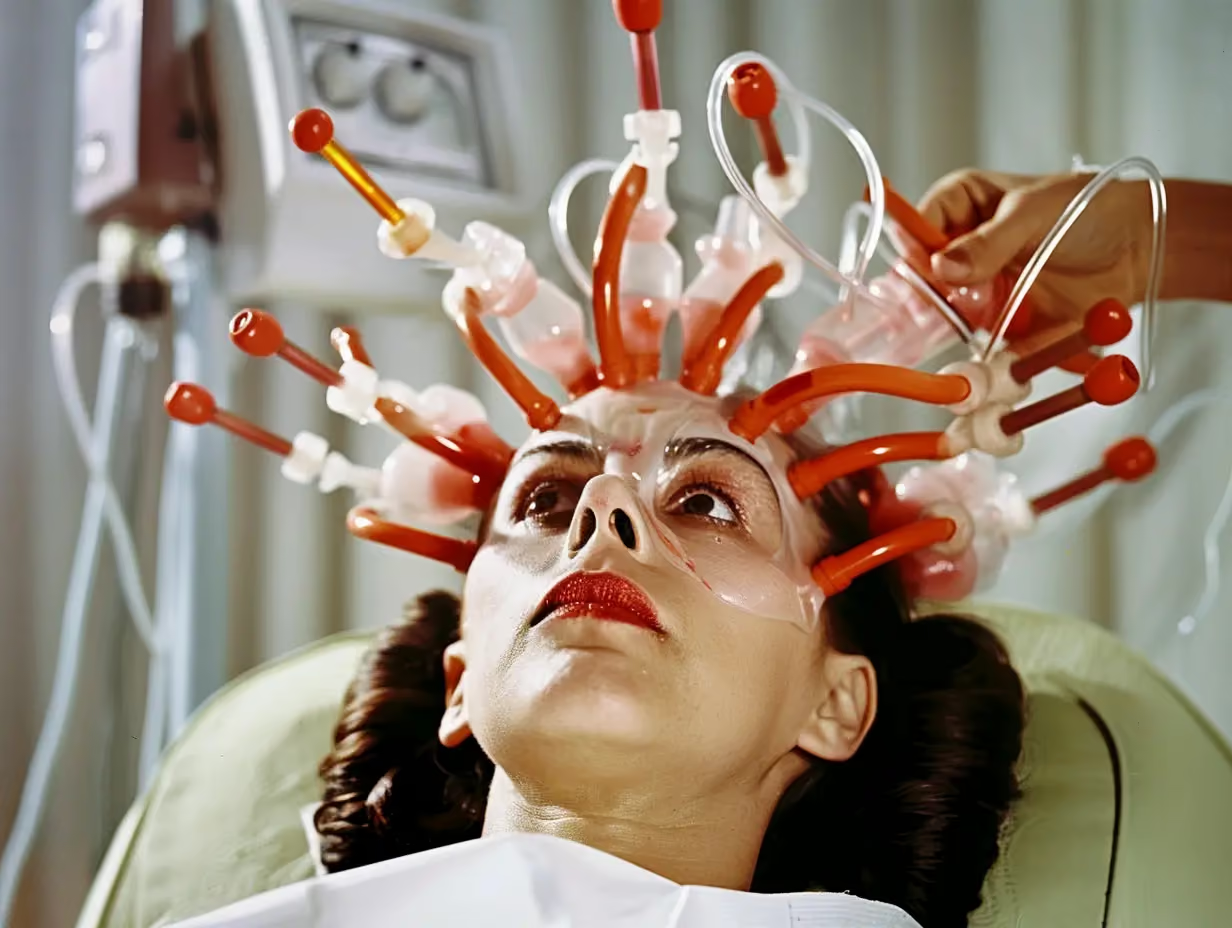
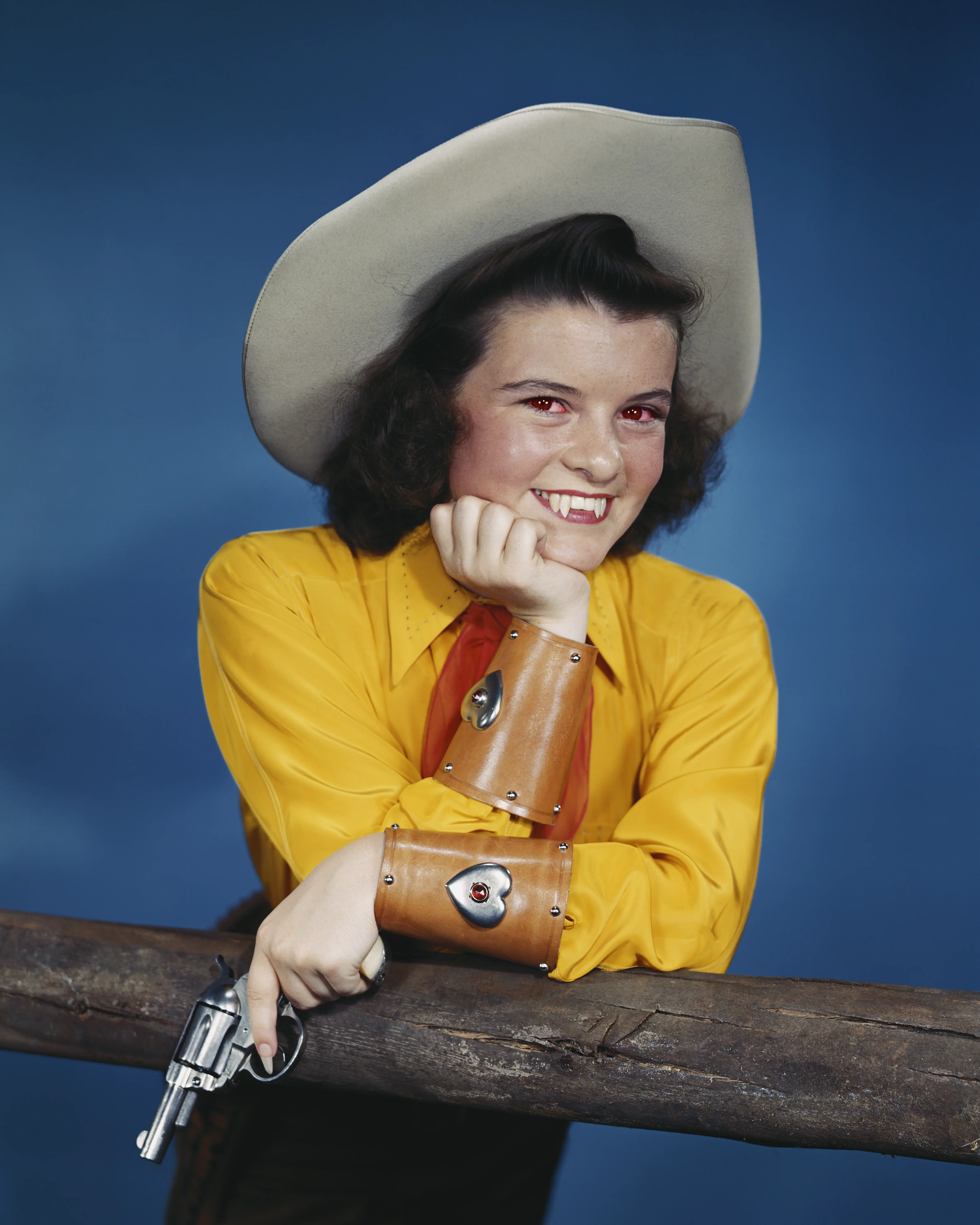
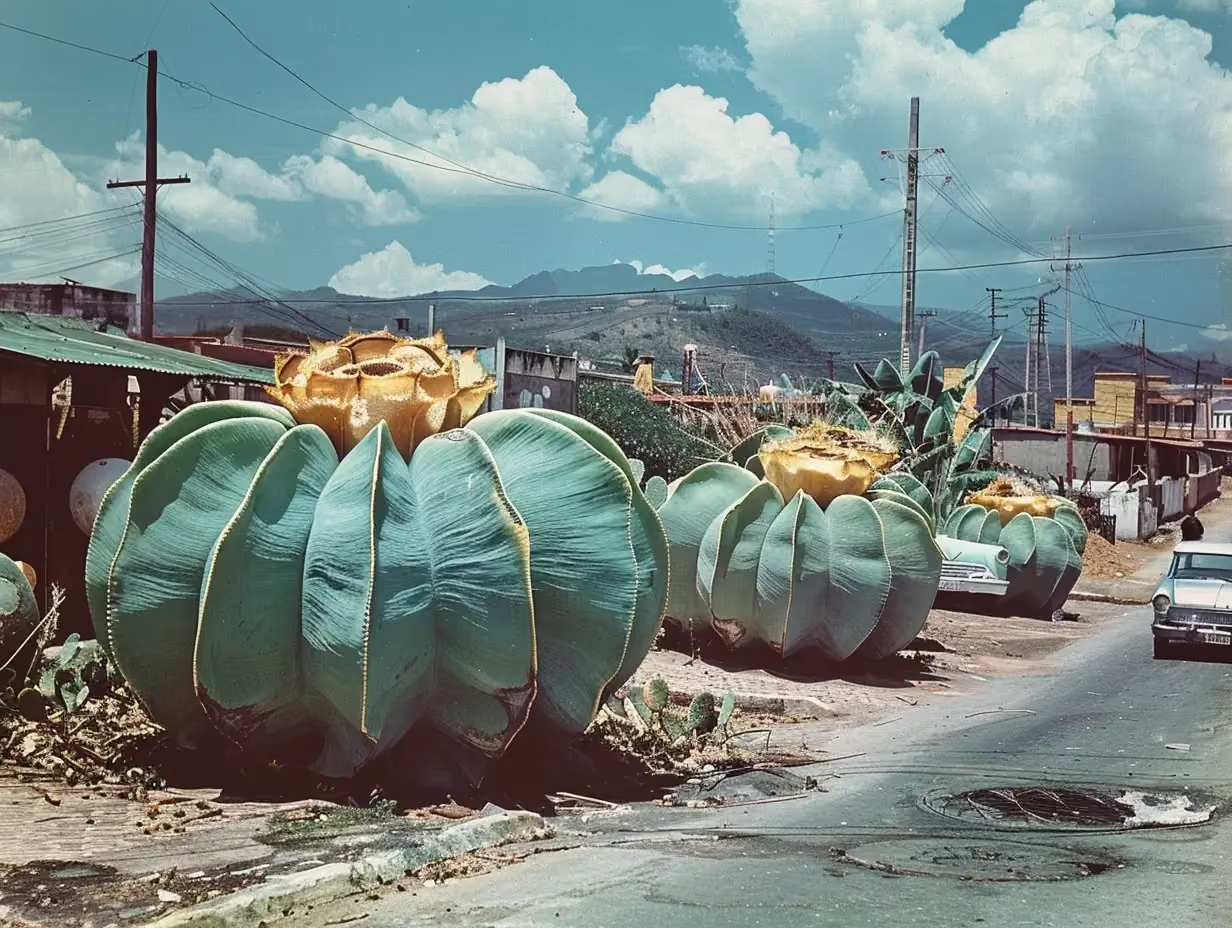
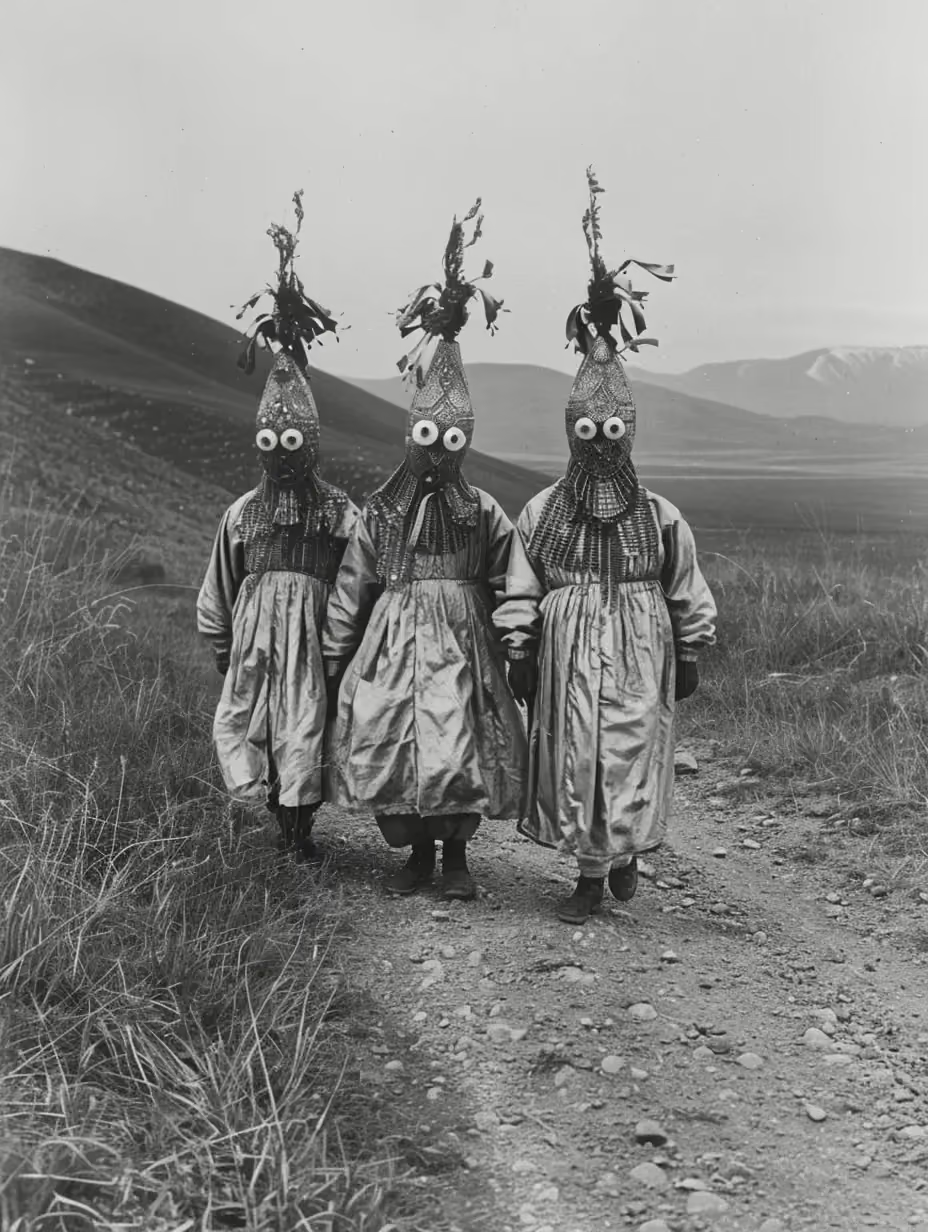
This is a project I’ve been working on for six years, inspired by the phenomenon of fictional entries in encyclopaedias, dictionaries and lexicons. Fictional entries are deliberately false articles that serve as a protection against plagiarism or are a form of editorial joke. During two years of research, I found several hundred such entries, and then illustrated around 200 of them using collages created from archival photographs and images generated by artificial intelligence. The exhibition also features original publications containing these entries, which I bought at various online auctions.
14. Which piece or element of the show took the longest to perfect, and why?
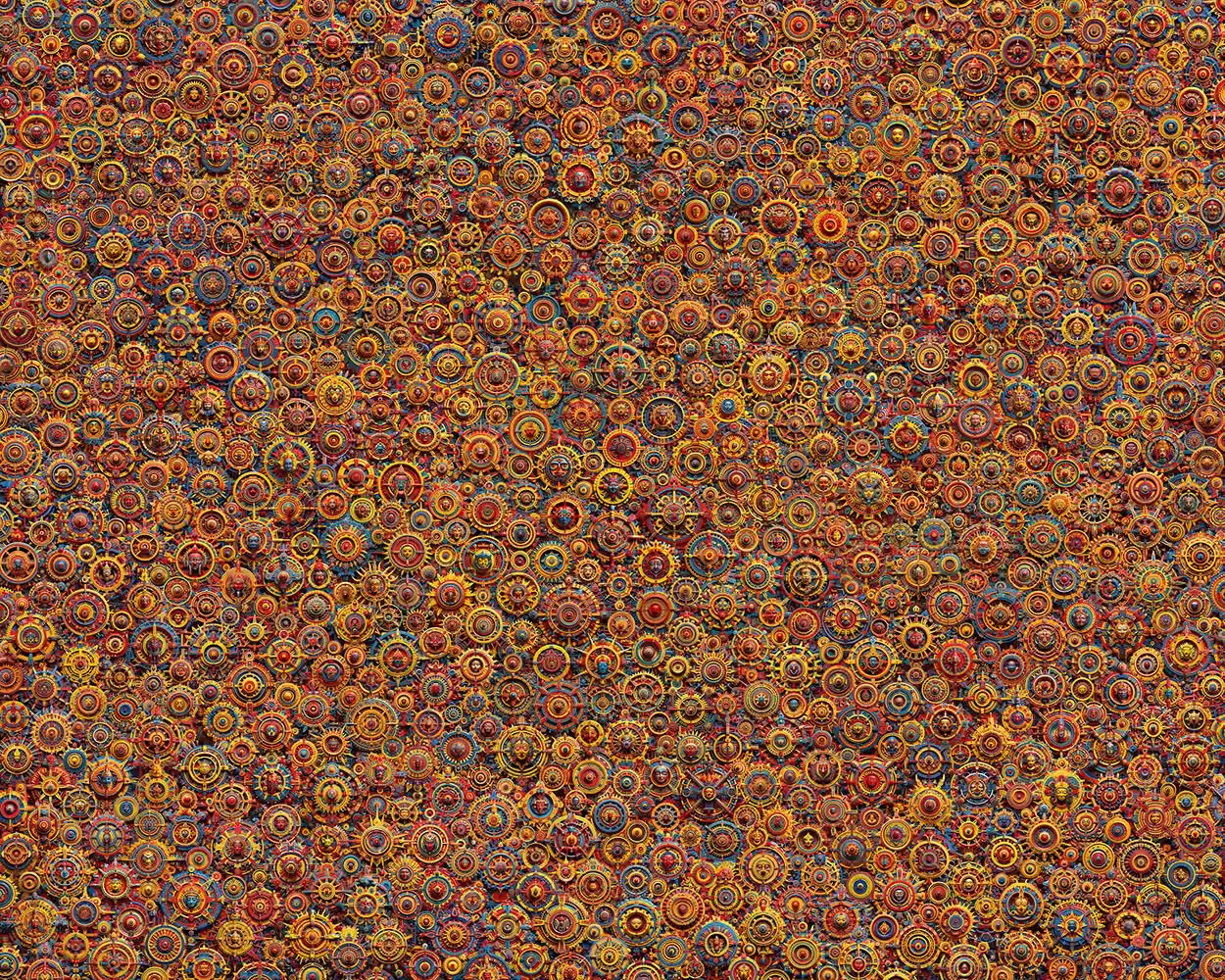
One of the pieces, ‘Vivarem’, is a collage made up of over 1,000 images. It took me three months to put it all together, and it is one of the most time-consuming works in this series.
15. What impression do you hope people get after seeing your show?
With this project, my aim is, above all, to sow doubt in the minds of the audience: about what they see, what they read, and what they learn. I want to encourage greater awareness, because we live in a world where the line between what is real and what is imagined is very fine.