
Lou Mensah and curator Celeste McEvoy discuss The 90s: Art & Fashion at Tate Britain

The 90s: Art & Fashion is a collaboration between Edward Enninful and Tate that aims to bring art, fashion and photography into dialogue for the first time. Developed over several years, the exhibition uses Enninful’s memories as Fashion Editor of i-D magazine as a starting point, drawing together over 300 works by artists and photographers including Chris Ofili, Yinka Shonibare, Wolfgang Tillmans, Barbara Walker, Steve McQueen, Gillian Wearing and Sonia Boyce. From club photography and pirate radio ephemera to intimate portraits that point to the racial and class inequalities of the decade, the show looks to a cultural moment shaped by who was excluded and who broke through.
How did the conversation with Edward about the exhibition begin and what were your initial ambitions, including the artists and moments you wanted to highlight?
Edward Enninful and Tate came together with the idea of collaborating on an exhibition focused on the 1990s that went beyond the well-known YBA story, by bringing art, fashion and photography together into dialogue. The concept and content of the show developed through continuous creative collaboration between Edward and Tate’s curators over several years. The 90s: Art & Fashion uses Edward's memories of the decade as a starting point, telling an expansive story of the cultural cross-pollination that was happening at the time.

The dominant story of British art in the 1990s centres on the YBAs. How did you approach the story of our Black artists whose contributions have often been left out of that narrative?
Whilst this exhibition is a celebration of the 1990s, it also interrogates the racial and class inequalities people experienced. Although for some, it was a time of fresh opportunity and renewed optimism, there were creatives who were being excluded from the narrative. The 90s: Art & Fashion features work that reflects artists' personal experiences of the decade, including Barbara Walker’s intimate portrait of her daughter, Attitude 1998, from her Private Face series 1998 - 2005, Yinka Shonibare’s Diary of a Victorian Dandy 1998, which questions Margaret Thatcher’s political promotion of Victorian values and Chris Ofili’s profoundly important work No Woman No Cry 1998, which powerfully confronts the pervasive and institutional racism in Britain at the time.
In the 90s we communicated cultural happenings through flyers, fly posters, zines, magazines and pirate radio. How do you convey their significance to audiences who have grown up with an entirely different media landscape?
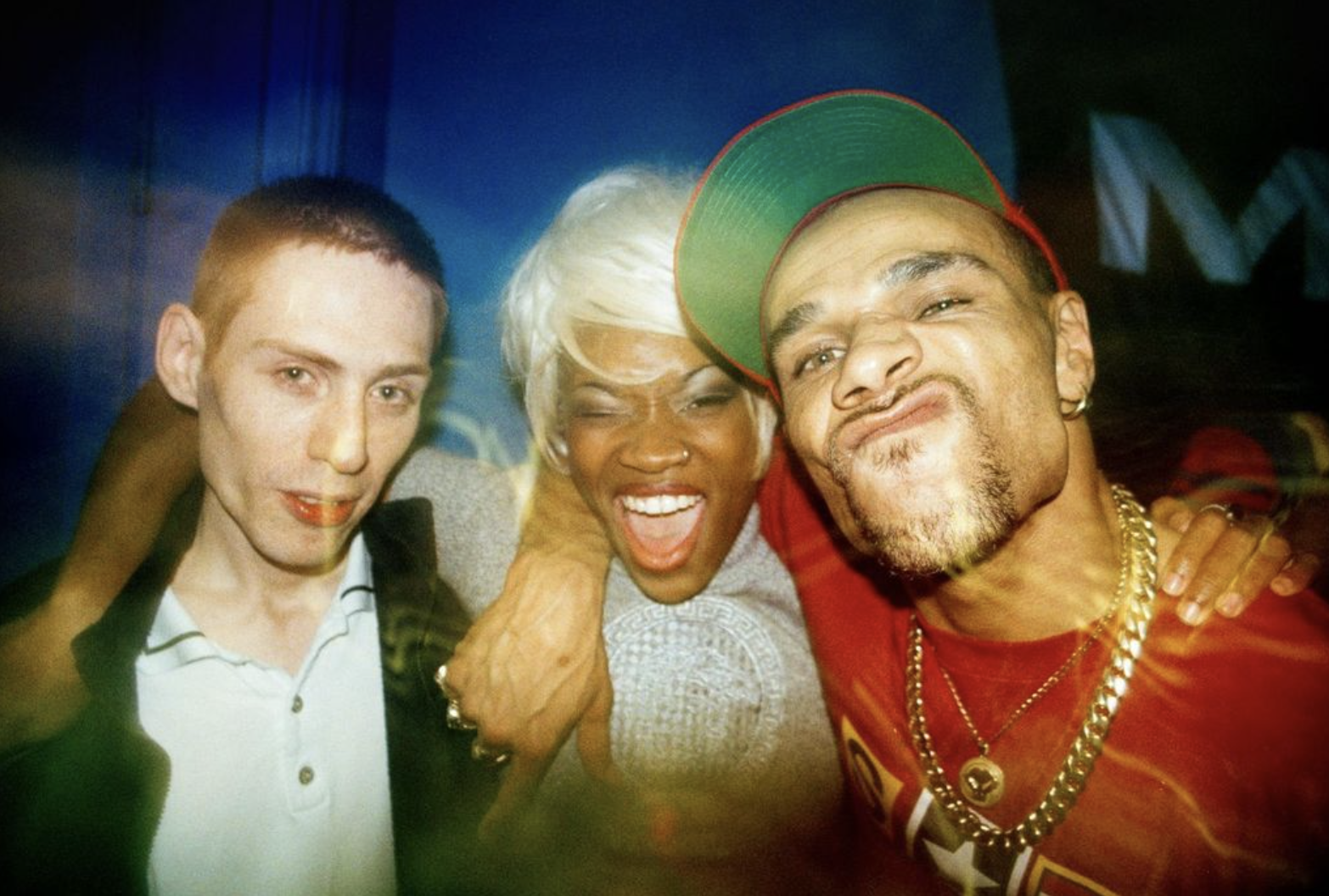
The room in the exhibition I Can’t Get No Sleep looks at club culture and nightlife in the 1990s from 15 photographers, including Dave Swindles, Eddie Otchere, Elaine Constantine, Normski and Vinca Petersen. The photographs in this room totally convey the feeling of this last analogue moment. The revellers captured in the photographs are unselfconscious, experiencing a freedom that might feel alien to some of our younger visitors. Without online spaces, people physically went out with friends, met new people and expressed themselves while remaining largely anonymous. A number of these photographs were commissioned for magazines to capture the cultural shift that was happening at the time. Matthew Collin (journalist and former editor of i-D magazine) writes in the exhibition catalogue that it was the ‘sheer vitality’ of the British youth culture scene that was largely responsible for keeping the magazine pages so fresh.

How does the catalogue complement the exhibition, and how did you approach it as an archival document that will outlive the show?
Edited by Edward Enninful, the catalogue features first-hand reflections from artists, designers and photographers alongside cultural figures from the 1990s, including Steve McQueen, Yinka Shonibare, Normski, Gillian Wearing, Wolfgang Tillmans, Jarvis Cocker, Sonia Boyce and Stella McCartney, who together create a multifaceted interpretation of the decade that will endure beyond the exhibition run.
As a curator, you communicate works and ideas to audiences with very different frames of reference. In this exhibition you'll be engaging with those who were there, but had vastly different experiences of the decade, as well as those encountering this history for the first time. How have you approached this?
Whilst we were planning this show, it was extremely important to Edward that visitors would be able to ‘see themselves’ reflected in the exhibition in some way. Edward was at the forefront of Britain's explosion of artistic experimentation, and his experience as Fashion Editor at i-D magazine during the 1990s provides the backdrop for the exhibition and a lens through which to view the works on display.
Is there a specific work or moment that stands out when you think about the process of curating this exhibition?
It was wonderful to work closely with the artist Vinca Petersen on her photographic installation, Subversive Joy (Constellation 005) 2026. The constellation acts as an autobiographical landscape that shows her time living in squats in London, attending raves, free parties, festivals and the nomadic sound systems that travelled in convoys across Europe. It’s particularly meaningful because she created this constellation specifically for the exhibition, using diaristic photographs and personal ephemera to offer an intimate reflection on the experience of being a young woman in the 1990s.
The 90s: Art and Fashion until 14 February 2027 at Tate Britain.
Don't forget to check in and leave your review on the gowithYamo app!