
15 Questions with... Sayuri Ichida
Welcome to 15 Questions With…, an interview series in which art writer Gary Grimes picks the brains of artists, curators, and other creatives to understand what makes them tick through a series of quick-fire questions. This series aims to showcase the varying approaches creatives take to making art and how their relationships to the so-called art world differ, but also reveal what unites those responsible for the art we love.
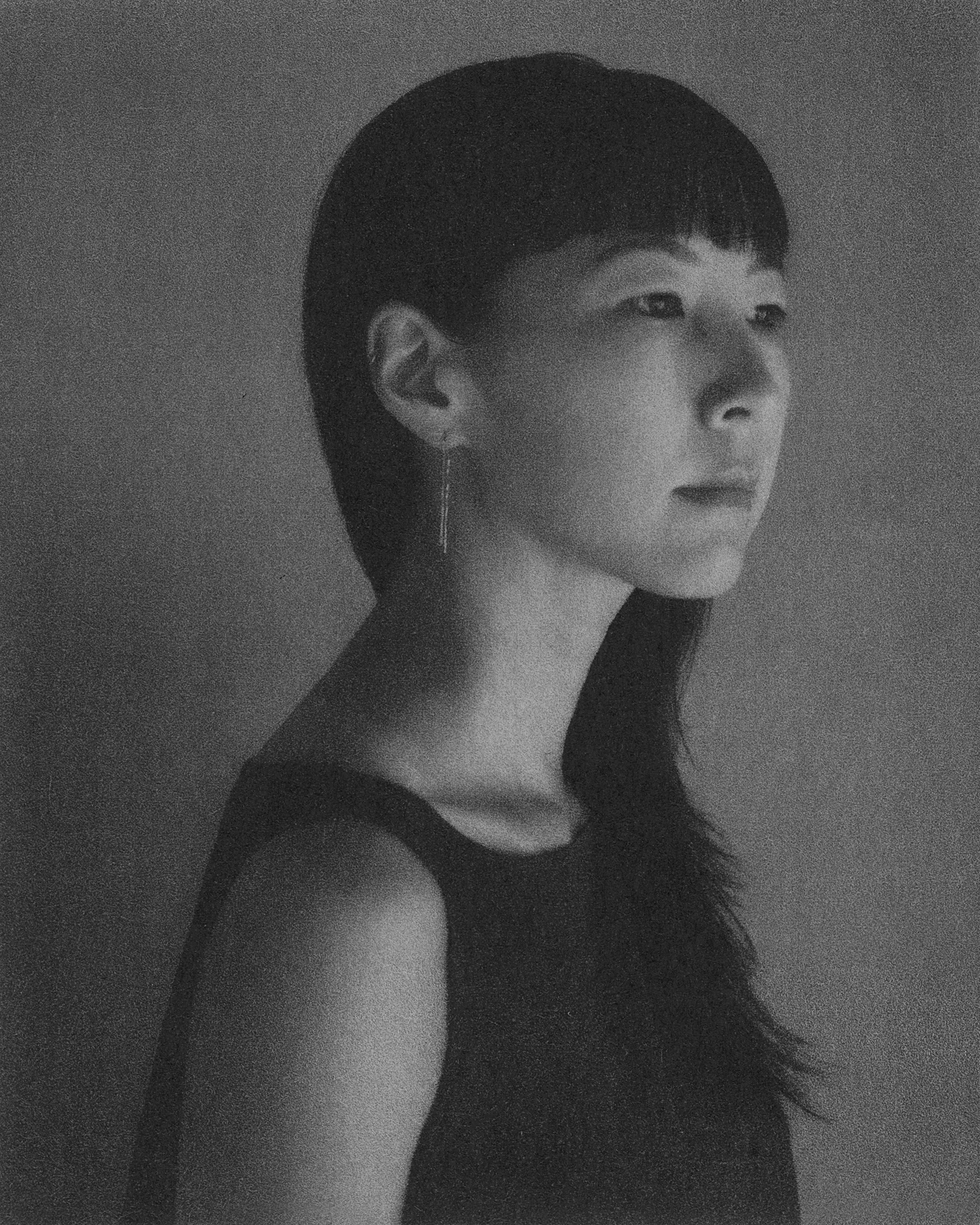
Sayuri Ichida is a Margate-based Japanese artist working in photography. Ichida’s practice focuses on themes of self-identity, reflecting on her own memories and life experiences. In her photographs, she explores the complexities of emotional states by portraying the human form and sculptural objects.
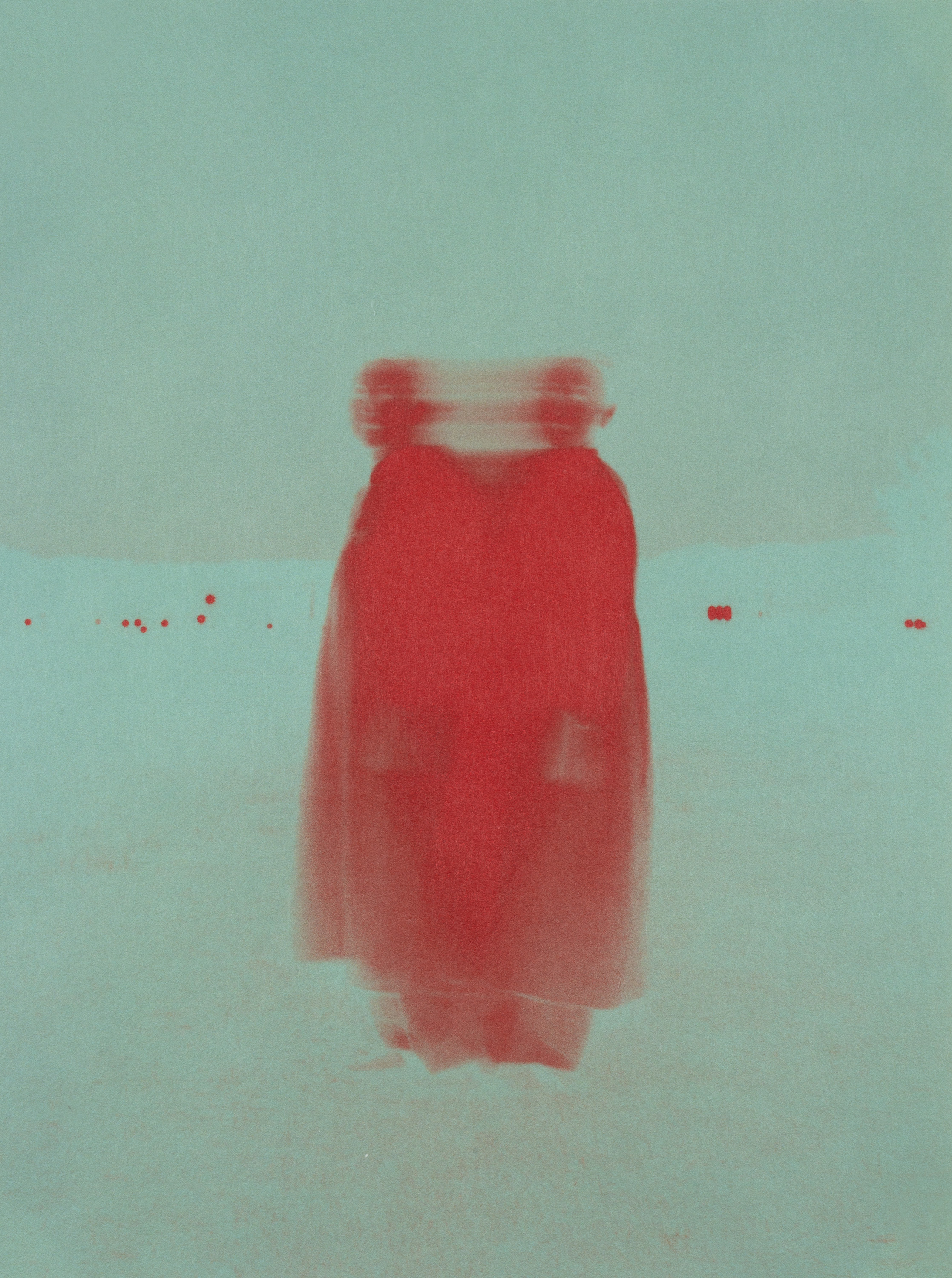
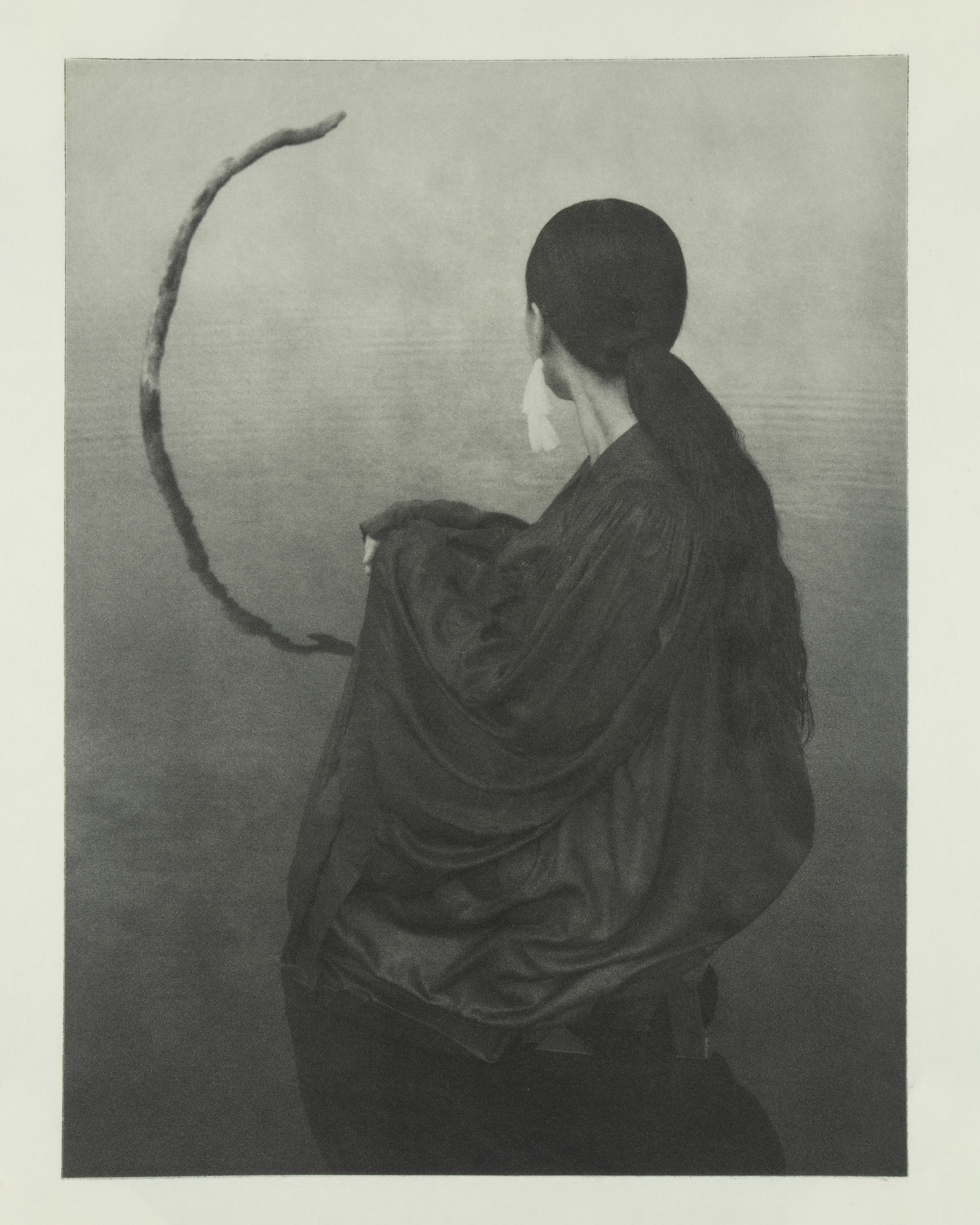
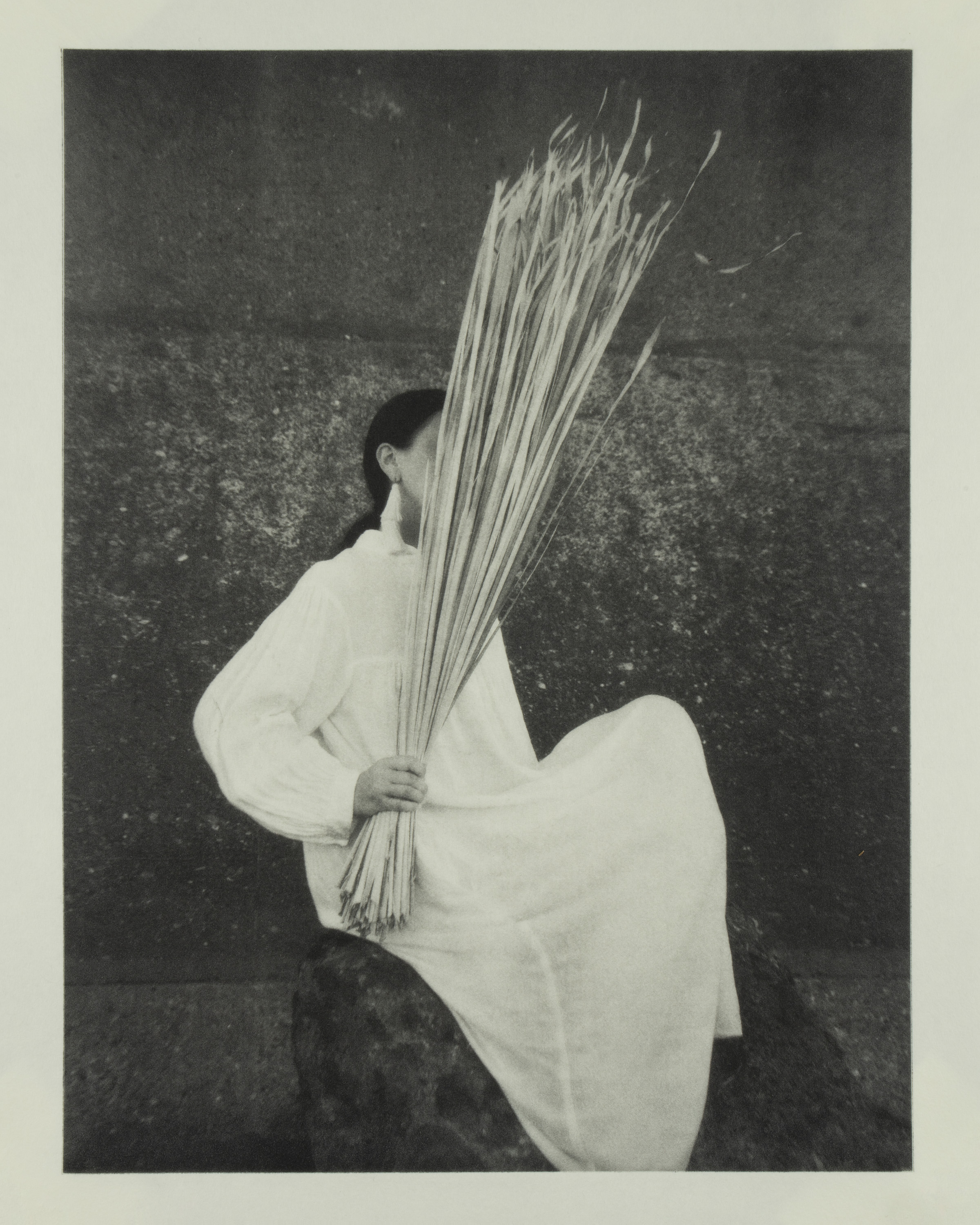
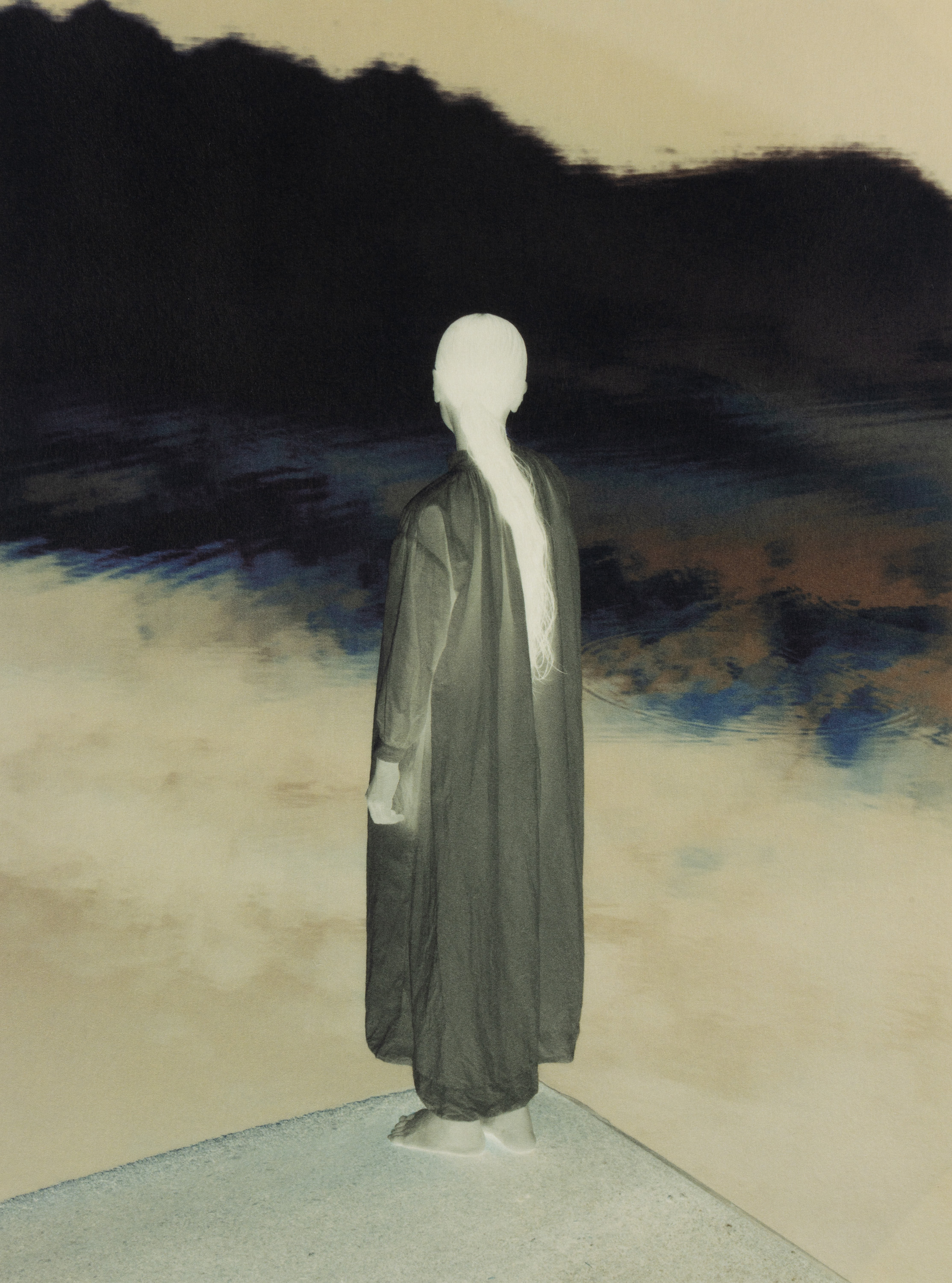
Over the course of her career, Ichida has held solo exhibitions of her work in cities around the world, including London, Tokyo, Antwerp, Bologna and Nizhny Tagil. Last month, she opened Sayuri Ichida: Playing the Piano Upstairs, a new solo show of prints at The Photographer’s Gallery in London. The show comprises a series of photographs Ichida shot of her sister alongside natural and sculptural forms, set within their hometown, Niigata, Japan, following the loss of their mother. The exhibition is on view through 13 September.
1. What is your earliest memory of a work of art?
When I tried to recall my earliest memory of a work of art, I found myself thinking instead about my earliest encounter with photography. My parents gave me a small stereoscopic viewer when I was around three or four years old. By inserting circular reels containing tiny colour transparencies, I could travel through sunny landscapes and cityscapes from distant Western countries without leaving home.
Growing up in Japan, those images felt impossibly far away and almost magical. Looking back, I sometimes wonder whether that experience planted the seed for my fascination with photography, memory and distance.
2. Where do you turn to when you're in need of inspiration?
I often find inspiration outside photography. Industrial landscapes and architecture fascinate me, perhaps because I grew up surrounded by them in Japan. I also enjoy the unexpected discoveries on Pinterest. Its recommendations can lead me down visual rabbit holes I would never have actively searched for myself.
When I feel creatively stuck, I tend to avoid photographic exhibitions and instead visit shows of sculpture, installation and conceptual art. Looking at other disciplines often helps me think about photography in a different way.
3. What do you like to do when you need to take a break from your practice?
I recently started getting into cooking. I never particularly enjoyed it before, but over the past year I've discovered its meditative quality. I especially enjoy cooking while listening to an audiobook. The combination of repetitive movements and being absorbed in a story allows me to clear my mind and reset.
4. Who is your favourite artist?
It's impossible for me to choose just one, but two artists who have had a profound influence on my practice are Tacita Dean and Christian Boltanski. I admire Tacita Dean's wide range of printing techniques and material processes and the way she moves fluidly between different mediums.
I first encountered Christian Boltanski's work in my home region of Niigata, where he transformed an entire abandoned school building into an installation. It was one of the most fascinating artworks I have ever experienced, and it left a lasting impression on me.
Both artists continue to be a great influence on my practice.
5. What's the biggest crime an artist can commit?
I think the biggest crime an artist can commit is becoming too preoccupied with comparison. It's very easy to measure yourself against peers or contemporaries, but doing so too often can make you lose sight of your own direction and curiosity.
6. Which gallery or museum should everyone try to visit at least once in their life?
I chose Dia Beacon and LUMA Arles. For me, the curation of renowned conceptual artists at Dia Beacon is second to none. Even the journey there — especially by train along the Hudson River — is part of the experience. I always leave in awe, particularly after visiting the basement spaces, where the installations become something physical rather than purely visual.
I recently visited LUMA Arles for the first time and was completely struck by both the meticulous curation and the environment itself. Video installations aren't usually the medium I'm most drawn to, but their excellent sound system and thoughtful exhibition design completely changed my experience. The current exhibition, CORRESPONDENCES by Soundwalk Collective and Patti Smith, was outstanding.
7. What is the worst thing about the art world?
Perhaps it's the fact that there are often political considerations involved in decision-making around open calls, awards and grants. I've learned that rejection isn't always a reflection of the quality of the work itself.
8. Whose opinions on art do you actually care about?
Ultimately, my own. Advice and feedback can be incredibly valuable, but I've learned that the final decision has to come from me.
9. What trend in art makes you roll your eyes?
I'm not particularly drawn to photographic work that leaves little room for ambiguity or interpretation, or that relies heavily on explicit personal disclosure. I'm generally more interested in images that suggest rather than explain.
10. What's your favourite colour and why?
Green. I'm not entirely sure why, but many of the things I've been drawn to recently seem to be dominated by green.
11. How much does Japan and your heritage influence your work?
A great deal, although my relationship with it has changed over time. I left Japan partly because I had developed a growing admiration for Western culture and art, and early in my career, I intentionally tried to suppress the "Japaneseness" in my work.
Over time, I realised that it came through naturally, no matter what I did. After spending many years outside Japan, I've developed a much deeper appreciation for my own culture and heritage, and now I simply let it find its own place in my practice.
12. Is there an artistic skill you wish you were better at?
Drawing. I can be a bit of a perfectionist, for better or worse, so I wish I could approach drawing more freely and embrace imperfection and spontaneity. I feel it could open up new possibilities and expand the boundaries of my photographic practice.
13. What can you tell us about your showPlaying the Piano Upstairs that's currently on view at The Photographer's Gallery?
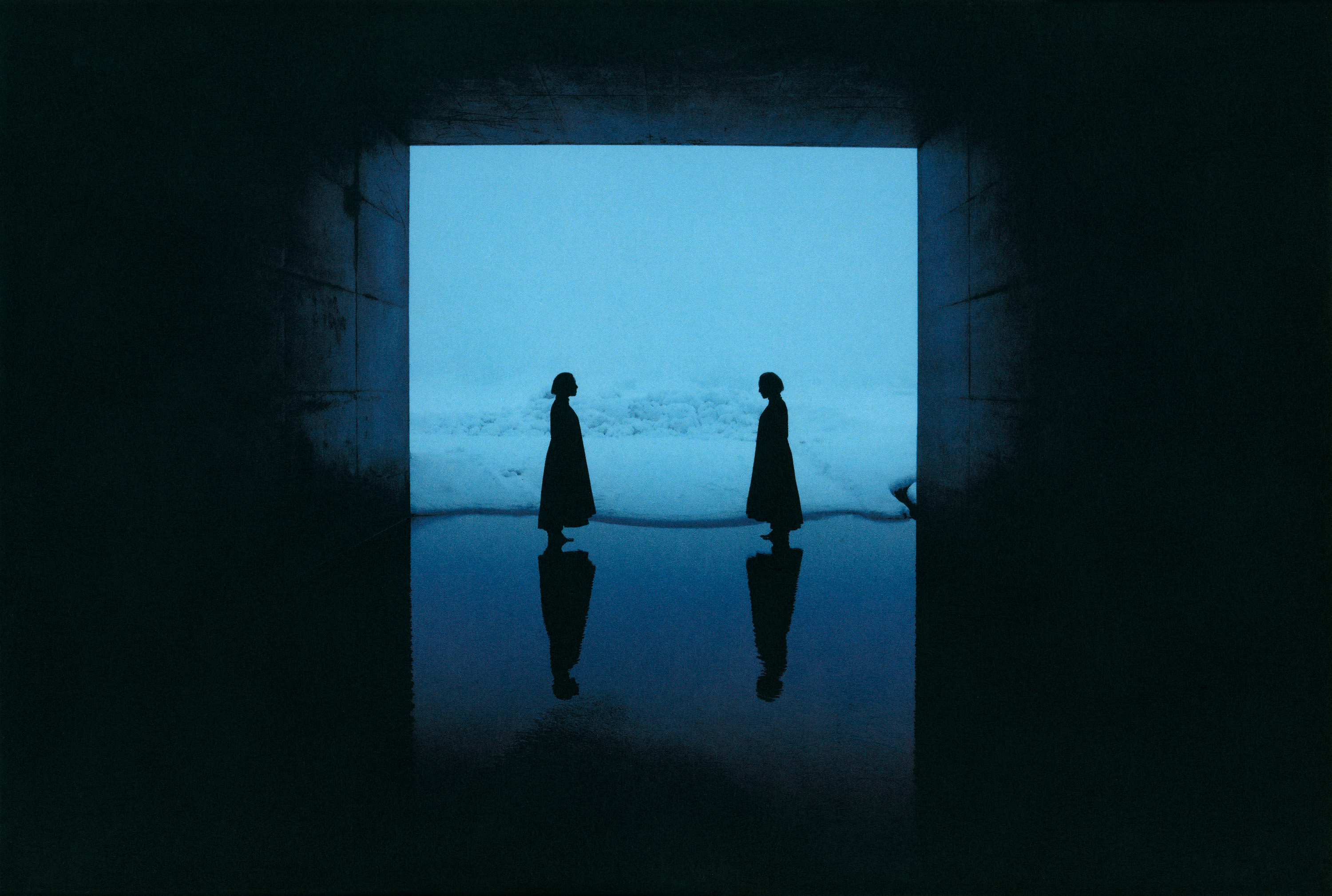
Playing the Piano Upstairs is a series created in collaboration with my sister, and all of the images were photographed in our home region of Niigata, Japan. Through this work, we revisited a sisterhood that we struggled to build when we were children. We had very different personalities growing up, and that created a certain distance between us.
We lost our mother when we were young, and going through that difficult experience together gradually brought us closer over the years. My sister is a singer-songwriter, so the project is both a creative collaboration and a visual dialogue between the two of us.
14. Which piece in the show took the longest to perfect and why?
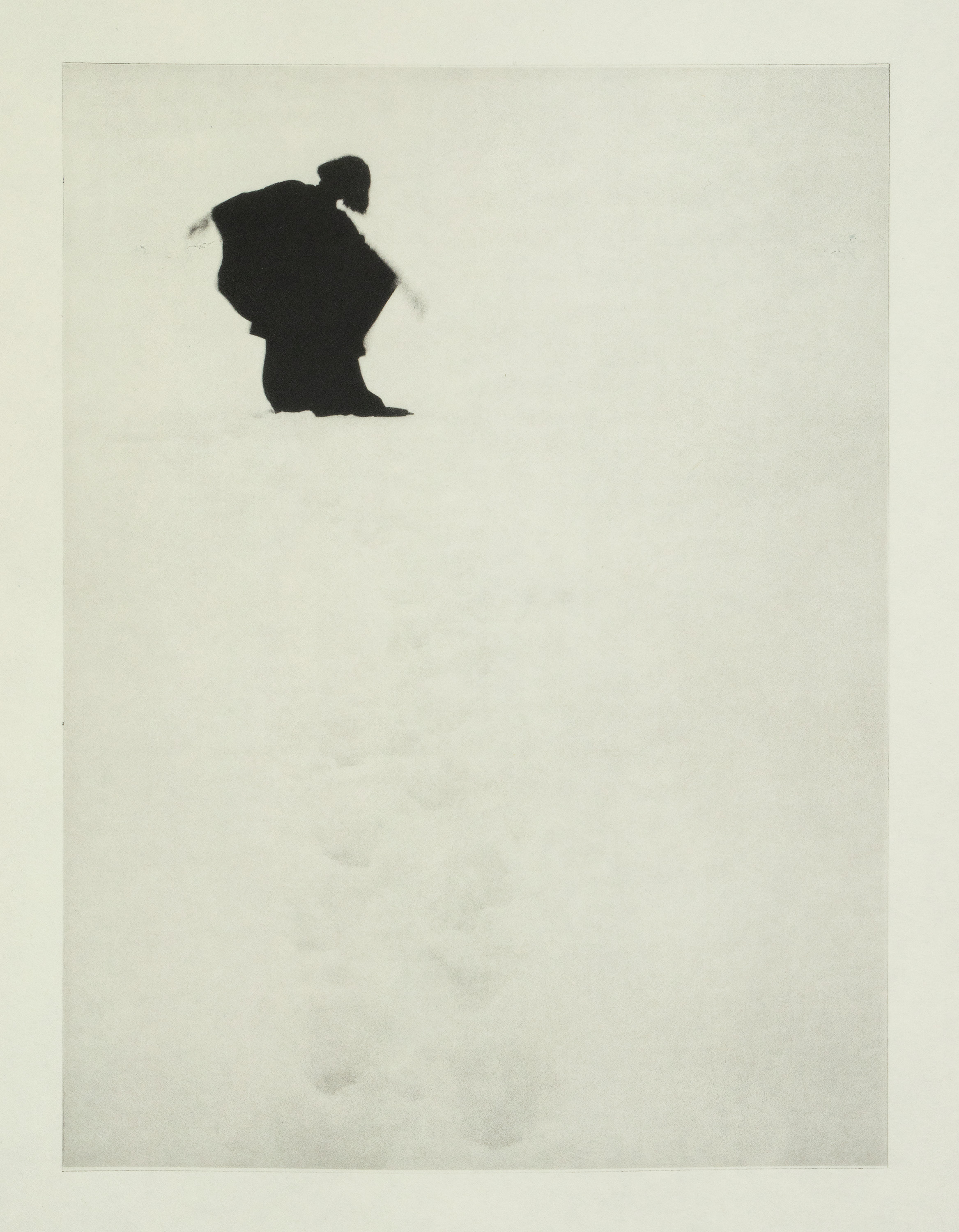
None of the images took particularly long to make, but the most challenging was the photograph in which my sister appears as a small silhouette walking through a snow-covered field. It was an extremely windy and snowy day, and a heavy snow warning had been issued. Continuous emergency announcements were being broadcast over outdoor speakers across the town, so we were slightly worried that we might get into trouble if the police found us there.
To make the image, I stood on a ladder balanced on top of a pile of snow while directing my sister to walk out into the rice field covered in deep snow. She was so far away that communicating with her became difficult. Looking back, it was probably the most challenging image we made for the series.
15. What impression do you hope people get after seeing your show?
I don't have any particular expectations in terms of interpretation. I simply hope the exhibition creates a space for viewers to reflect on their own memories, relationships and experiences in whatever way feels meaningful to them.
Sayuri Ichida's exhibition Playing the Piano Upstairs is on at The Photographers' Gallery until 13 September.
Don't forget to check in and leave your review on the gowithYamo app!