
15 Questions with... Ruvan Wijesooriya
Welcome to 15 Questions With…, an interview series in which art writer Gary Grimes picks the brains of artists, curators and other creatives to understand what makes them tick through a series of quick-fire questions. This series aims to showcase the varying approaches creatives take to making art and how their relationships to the so-called art world differ, but also reveal what unifies those responsible for the art we love.
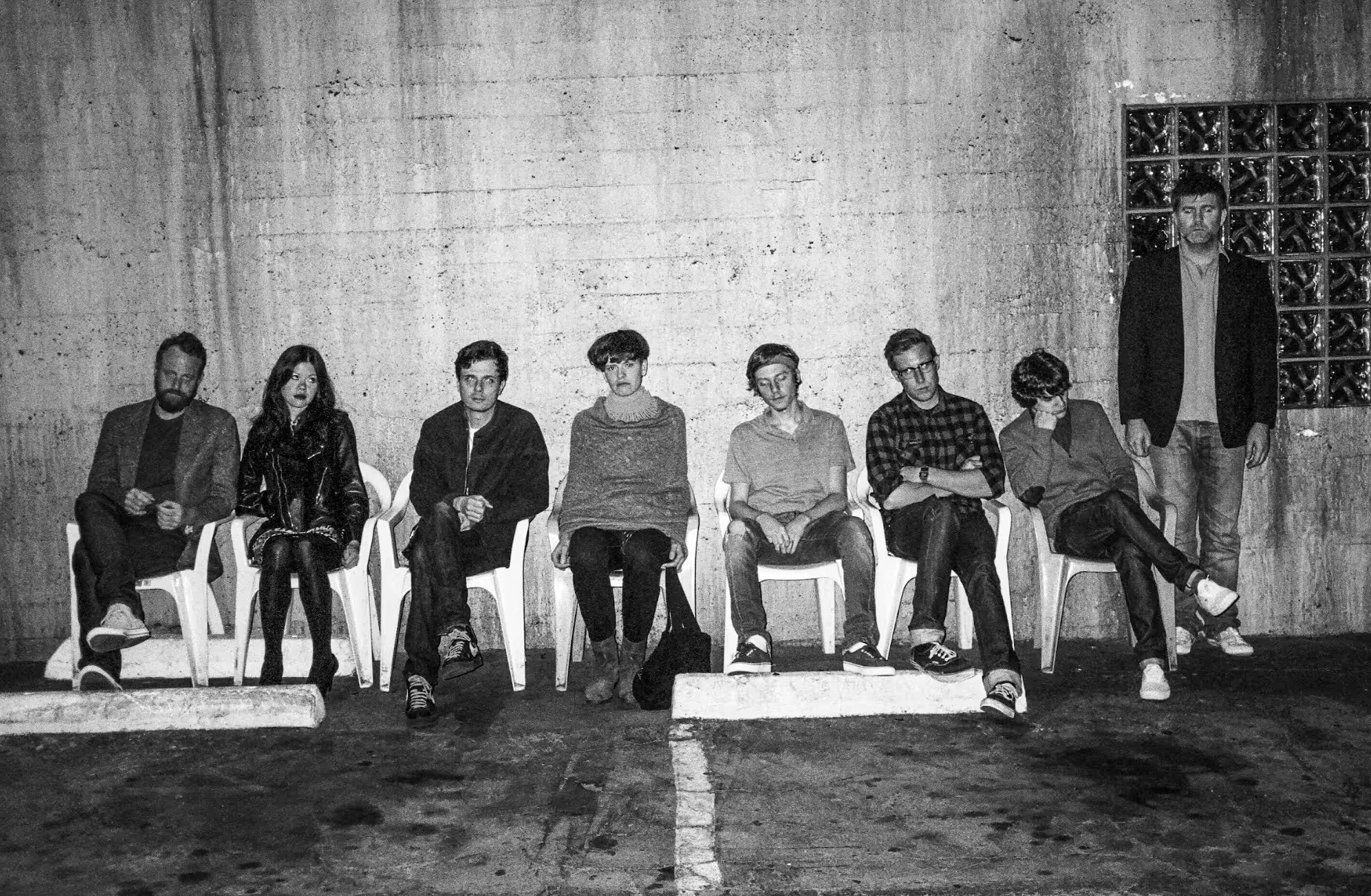
Ruvan Wijesooriya is a photographer based in New York City. After working initially as a freelance music journalist, he eventually picked up analogue photography. Wijesooriya has worked for commercial brands like Renzo Piano, Burberry and Samsung, but he is best known for his work shooting bands. His work was prominently featured in the acclaimed book Meet Me In The Bathroom, which covered the golden age of indie rock in New York City.
Photos by Wijesooriya have also been published in titles including The New Yorker, New York Times, Dazed and Vogue. Earlier this year, he published a new book of photography entitled LCD Soundsystem: Disco Pogo Tribute, which features photos of LCD Soundsystem, with whom the photographer has worked with since the band’s early days. The launch of the book, which is now available to purchase here, was accompanied by an exhibition of photos from the book in The Social in London.
1. What is your earliest memory of a work of art?
A Sri Lankan batik painting of a woman playing the flute in my parents’ room when I was growing up.
2. Where do you turn to when you're in need of inspiration?
The world is a constant flow of things to consider and react to. Nature, history, documentaries, conversations, people, random shit online, music, dreams, and psychedelics are all easy answers for inspiration. Meaning and purpose is in higher demand.
3. What do you like to do when you need to take a break from your practice?
Sex, drugs and music.
4. Who is your favourite artist?
I don’t play favourites, but there are artists who are connected and relevant to specific times in my life. Henri Cartier-Bresson, in the beginning, I got really attached to the idea of “the decisive moment.” When I was shooting nudes and making landscape photos with luxury fabric, I was obsessed with Matisse’s Bathers and his obsession with fabric. When social media started blooming, I was into Louise Lawler and her ideas around appropriation. I got into light artists like Turrell and Wheeler when I started turning my abstract photographs of rainbows into virtual space, which I then photographed from within.
5. What's the biggest crime an artist can commit?
Mass murder.
6. Which gallery or museum should everyone try to visit at least once in their life?
I’m not sure if this counts, but sites from past civilisations are maybe the most mindblowing - particularly those which engage the senses in ways uncommon to modernity. Monte Alban in Oaxaca was the last place I saw this - the way that sound waves can be used in that space is unbelievable.
7. What is the worst thing about the art world?
It is about rich people far more than it is about artists.
8. Whose opinions on art do you actually care about?
Other artists I like, mainly.
9. What trend in art makes you roll your eyes?
Warholian Banksy knockoffs.
10. Who are the last three musical artists you listened to?
Not Forgotten by Leftfield. PJ Harvey’s cover of Bob Dylan’s Highway 61 Revisited. Bitplain by TVAM.
11. What's your favourite colour and why?
The colour at the end of a rainbow - the deepest ultraviolet.
12. What three items would you grab if your house was burning down?
Hard drive, passport, cash.
13. Is there an artistic skill you wish you were better at?
EVERYTHING! Painting, coding, sculpting… It takes so much time and effort to get good.
13. What can you tell us about your exhibition at The Social?
The exhibition pulls from my work with LCD Soundsystem. I had incredible access over the years and was most active in the first iteration of the band from 2004-2011. The photos include album art, a press image and some of my favourite shots from behind the scenes, as well as two images that do not feature the band.
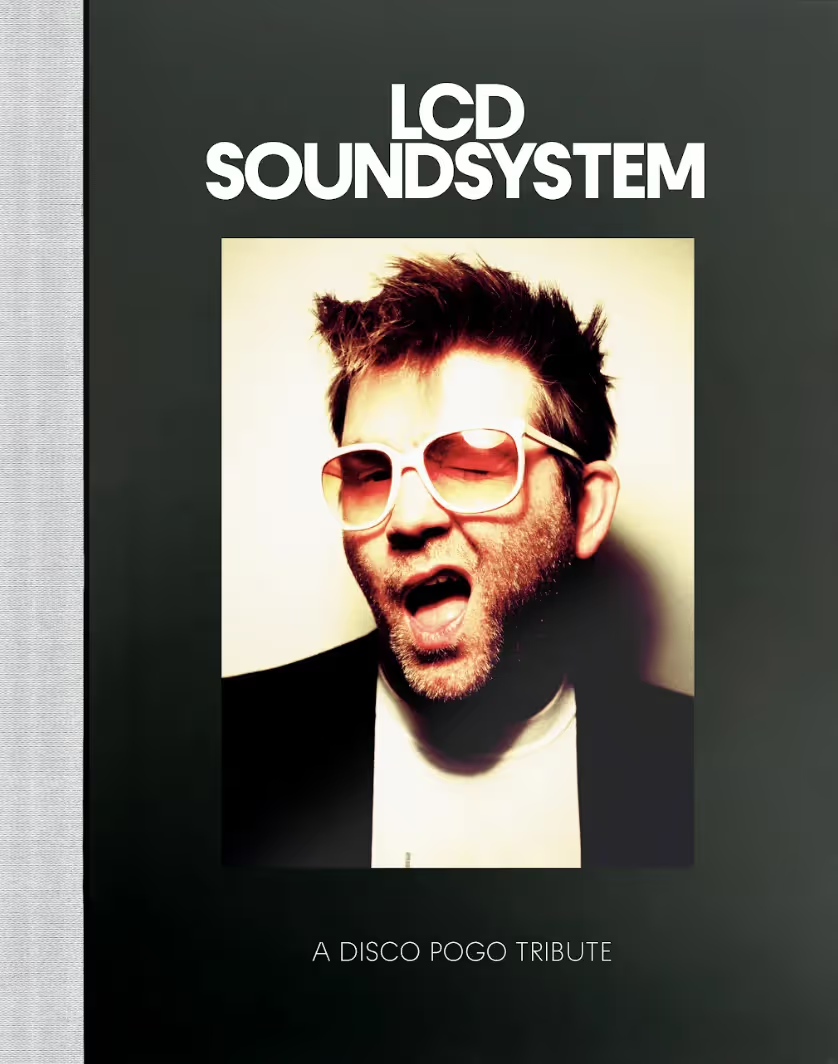
14. Which is your favourite photo in the show and why?
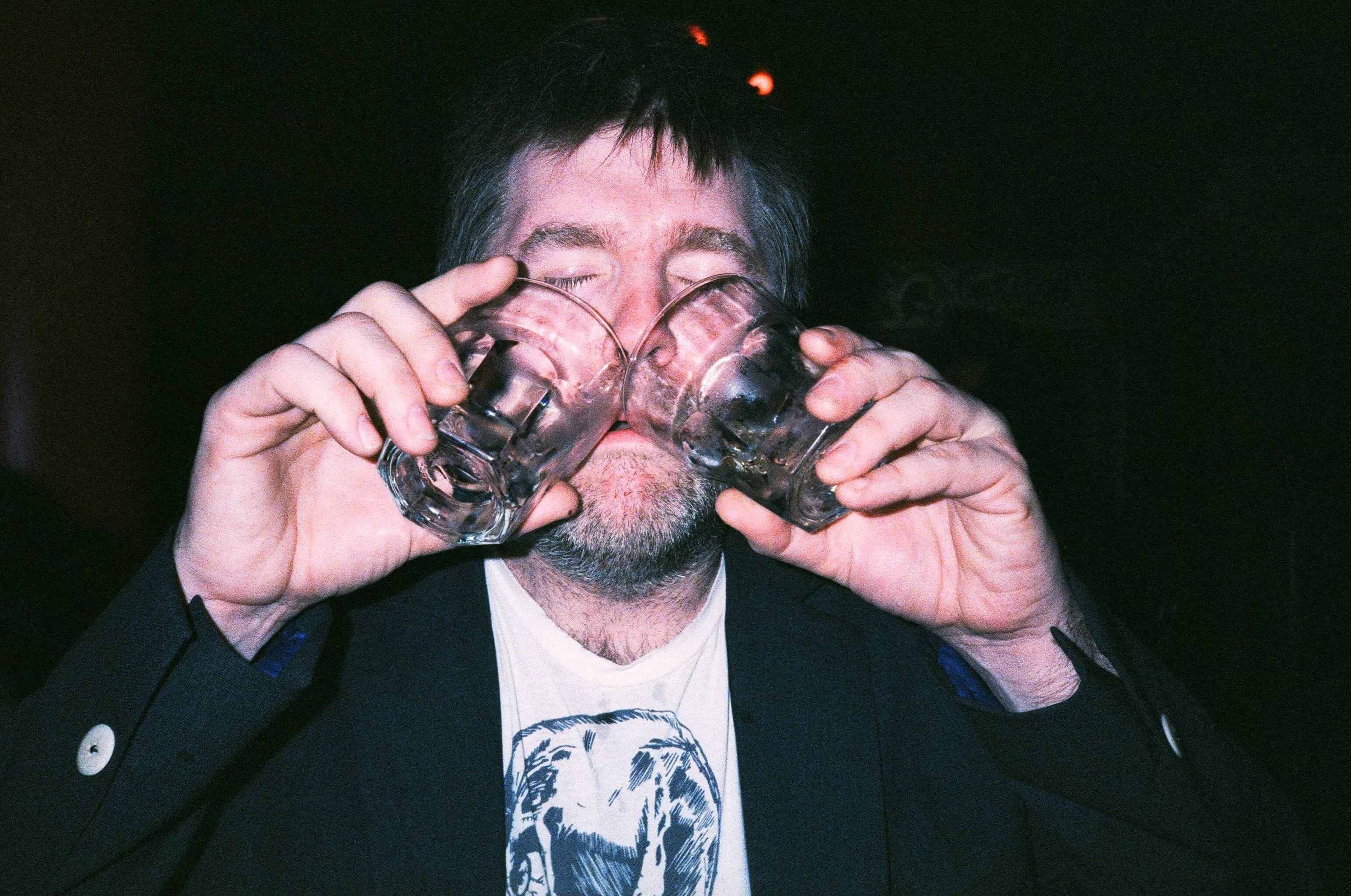
I like all of them for the different stories and the values they represent. The James Murphy in the studio in Rick Rubin’s Laurel Canyon rock ‘n’ roll recording mansion features James standing on a chair in champion pose, surrounded by an enormous amount of instruments that one could get nerdy about. The one of James pointing at the disco ball at Coachella 2010 is, for a few people who have bought the print, the best concert they’ve been to. The photo of Pat, Nancy and James drinking on the set of their ‘Drunk Girls’ video is such a glorious, genuine moment of true friendship… then there’s the This Is Happening album cover… I could never decide on one!
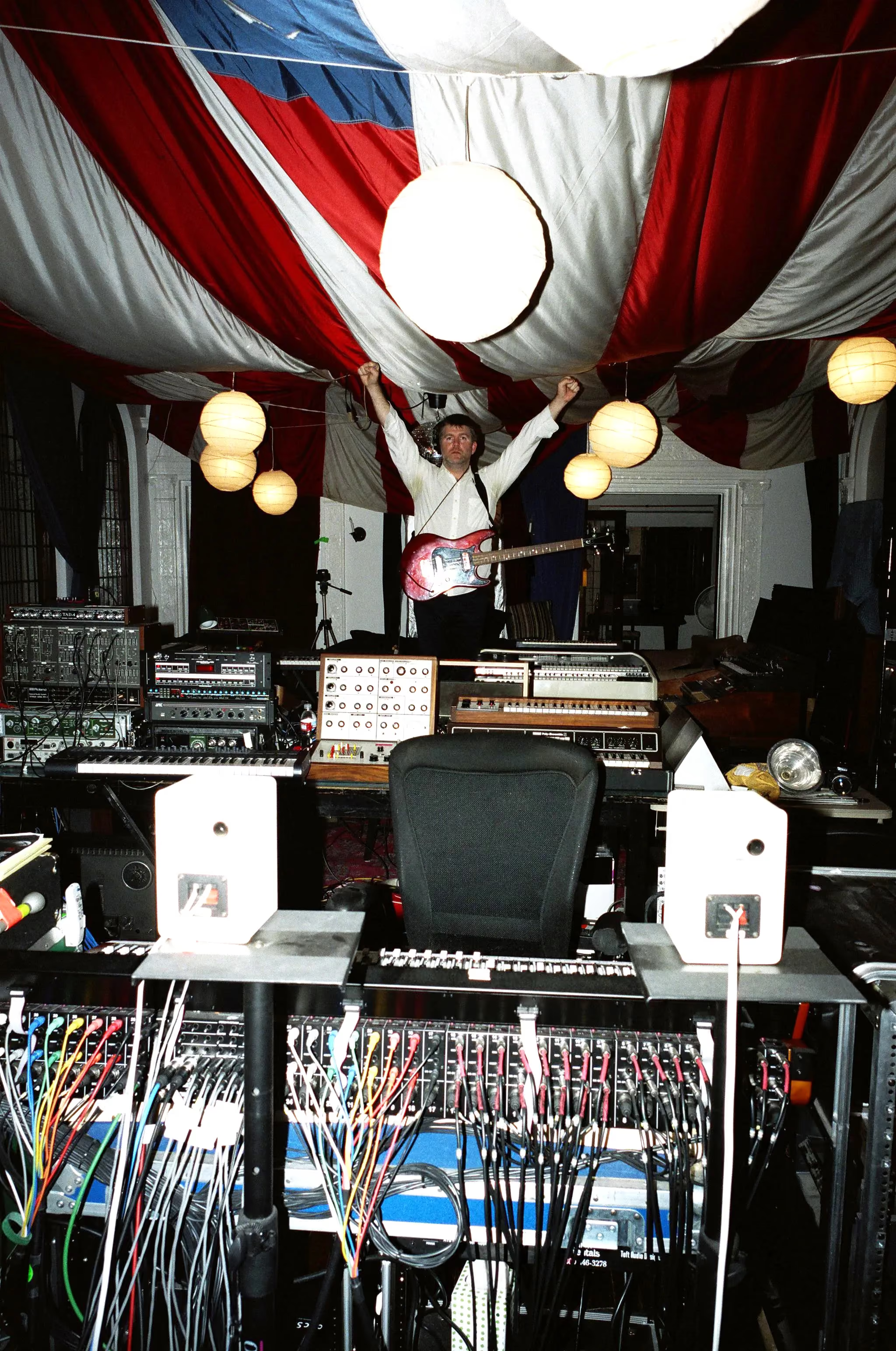
15. What can you tell us about your contributions to the book A Disco Pogo Tribute To LCD Soundsystem?
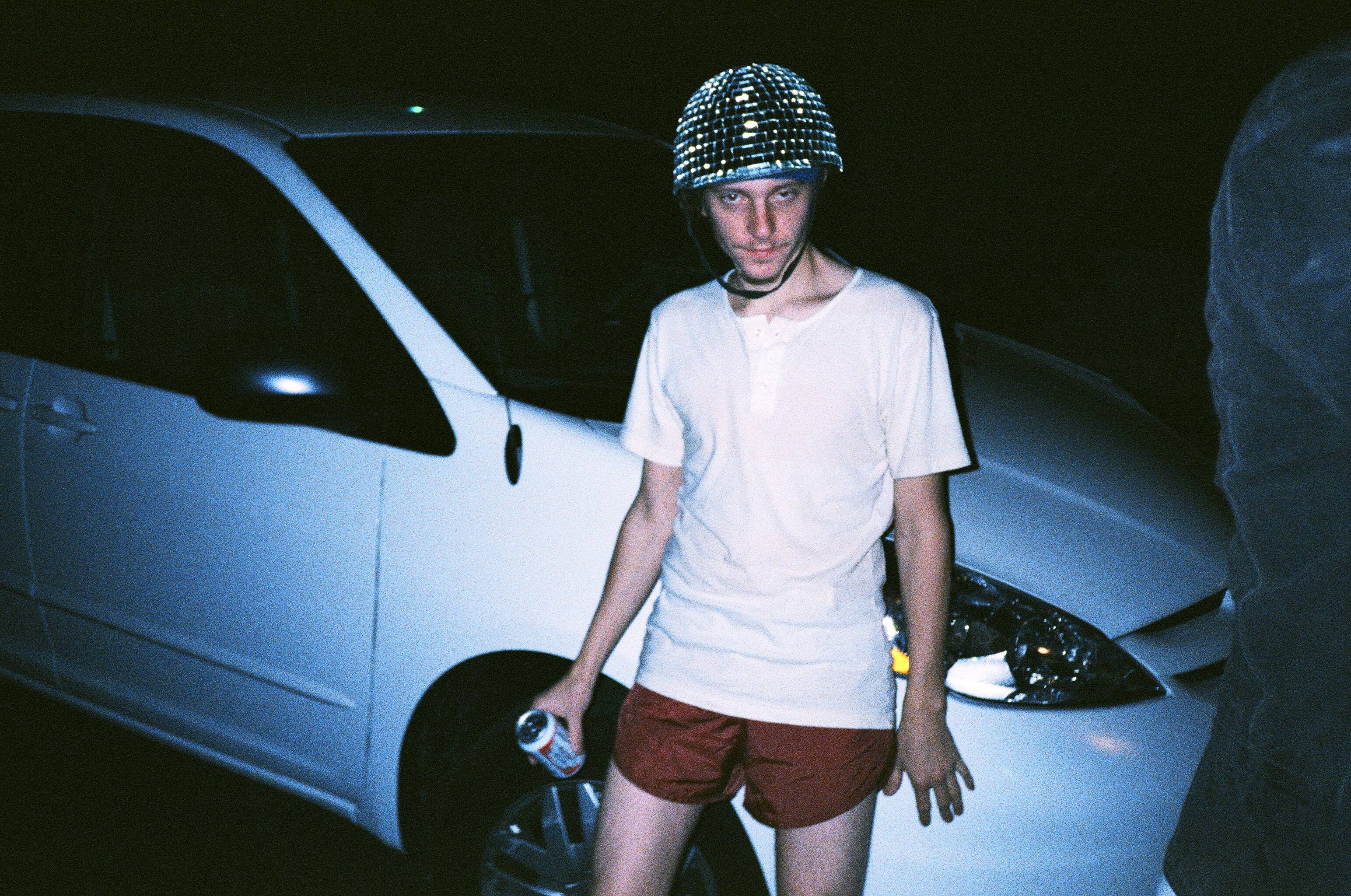
When I made my monograph, LCD, in 2012 (by Powerhouse Books), I put a handful of images to the side, considering that exclusive LCD images might be needed in the future. When Disco Pogo called, that day had come. Because the book covers LCD history, the Disco Pogo publication made use of images that are indirectly related to LCD - James recording Prinzhorn Dance School, DFA holiday parties, hanging out and the like. I think you get a sense of the organic synergy between band and photographer from seeing the wider context of my work with them.