In this gowithYamo series, Visualising the Zodiac, we explore ways in which art and astrology meet in an unexpected cosmic crossover. Each month, art historian and writer Melissa Baksh pairs a zodiac sign with a work of art that embodies its essence through its artistic style and tone.
.jpg)
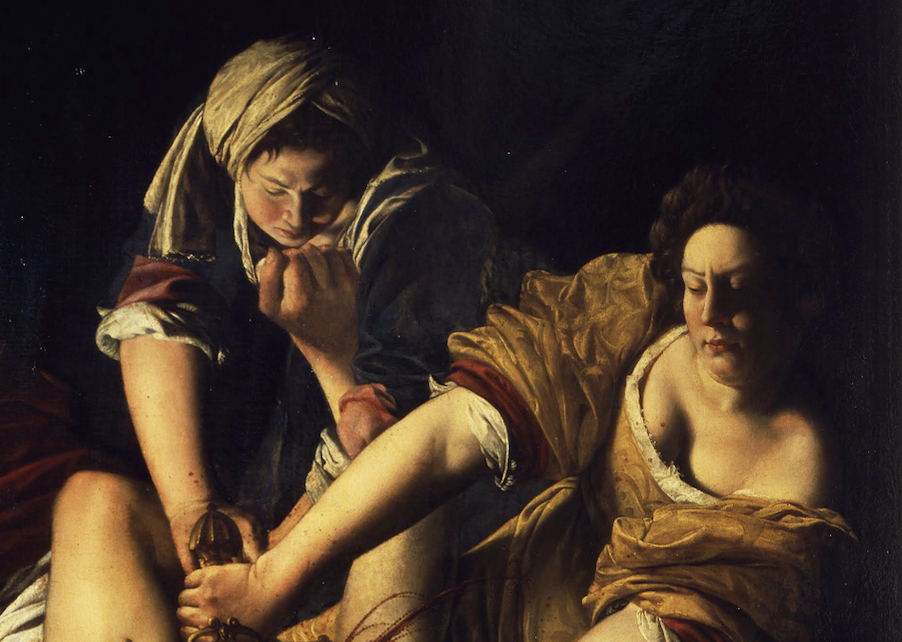
This month is dedicated to the Aries, the first sign of the Zodiac. Symbolised by the Ram and ruled by Mars (the Roman god of War), Aries embodies passion, drive and determination. Known for acting first and thinking later, Aries are renowned for their impulsive ways. One work that speaks to their bold and fiery nature is Artemisia Gentileschi’s Judith Slaying Holofernes, 1620. There are two versions of this work; the earlier (c.1612) is in the Museo Capodimonte in Naples, and this version is in the Uffizi in Florence.
The painting’s subject is taken from the Old Testament’s deuterocanonical Book of Judith. Judith, a beautiful young Jewish widow from Bethulia, saves her city from the invading Assyrian army by seducing and beheading army General Holofernes. Using her charm and wit, Judith boldly infiltrates the enemy camp. Struck by her beauty, Holofernes invites her to a banquet in his tent and after an evening of feasting and drinking, falls asleep in a drunken stupor. The painting depicts the moment in which Judith - assisted by her handmaiden Abra - kills Holofernes by slashing his throat with a sword.
As the first sign of the zodiac, Aries loves to lead and is driven by action. Fiercely loyal and protective, they are a sign you certainly want in your corner. This makes the alignment fitting, as Judith boldly takes matters into her own hands for the good of her people. As a Cardinal Fire sign, Aries can also be short-tempered, echoing Judith’s violent - yet heroic - act.
The subject was a prominent and recurring one at the time and has been recreated by many Renaissance and Baroque artists such as Botticelli, Mantegna and Caravaggio. However, Gentileschi’s depiction of Judith sets this work apart from the rest. Whereas other artists have focused on the heroine’s classic beauty, Gentileschi’s champion appears strong and self-assured; her forearm and body twist heavily, emphasising her physical prowess and the sheer magnitude of the task. The artist has also not shied away from depicting graphic violence and gore; rather than a clean-cut slice, here, Holofernes’ blood splashes and spurts out in multiple directions and drips down the white sheets. The red of the blood is echoed elsewhere in the painting; it can be found in the luxurious velvet garment laid across Holofernes’ midriff and in Judith and Abra’s pushed-up sleeves. Coincidentally, Aries is represented by the colour red, a highly energising shade which speaks to the sign’s passion and vitality.
In the painting, the intensity of the moment is emphasised by the theatrical lighting (known as chiaroscuro), the darkness of the background and the tightly packed composition. At first glance, rather than a biblical story, it resembles a Renaissance battlefield; the push and pull of bodies, the shared, sustained physical attack and the intensity of the sword’s plunge ignites a feeling of shock and horror in the viewer. Similarly, Aries is a sign that delivers the drama in the best possible way; they thrive in high-stakes situations, communicate assertively and welcome confrontation - you know it can never be boring with an audacious Aries around.
Despite being from biblical times, Judith’s grisly act would have resonated at a time when women had relatively little power in a patriarchal world, and even today, the painting - with its intense realism and detail - is revered as a powerful ode to female agency. Judith’s slaying of Holofernes was a victory for both the protagonist and her people; it meant that Bethulia was saved from total destruction and marked a turning point for the Israelites. As the first sign of the Zodiac (and coinciding with Spring in the UK!), it is no surprise that Aries are associated with change and new beginnings. As such - Aries or otherwise - this is the perfect time to proverbially slay that task you’ve been putting off, or to start that new and exciting venture.


In this gowithYamo series, Visualising the Zodiac, we explore ways in which art and astrology meet in an unexpected cosmic crossover. Each month, art historian and writer Melissa Baksh pairs a zodiac sign with a work of art that embodies its essence through its artistic style and tone.
This month is dedicated to the Aries, the first sign of the Zodiac. Symbolised by the Ram and ruled by Mars (the Roman god of War), Aries embodies passion, drive and determination. Known for acting first and thinking later, Aries are renowned for their impulsive ways. One work that speaks to their bold and fiery nature is Artemisia Gentileschi’s Judith Slaying Holofernes, 1620. There are two versions of this work; the earlier (c.1612) is in the Museo Capodimonte in Naples, and this version is in the Uffizi in Florence.
The painting’s subject is taken from the Old Testament’s deuterocanonical Book of Judith. Judith, a beautiful young Jewish widow from Bethulia, saves her city from the invading Assyrian army by seducing and beheading army General Holofernes. Using her charm and wit, Judith boldly infiltrates the enemy camp. Struck by her beauty, Holofernes invites her to a banquet in his tent and after an evening of feasting and drinking, falls asleep in a drunken stupor. The painting depicts the moment in which Judith - assisted by her handmaiden Abra - kills Holofernes by slashing his throat with a sword.
As the first sign of the zodiac, Aries loves to lead and is driven by action. Fiercely loyal and protective, they are a sign you certainly want in your corner. This makes the alignment fitting, as Judith boldly takes matters into her own hands for the good of her people. As a Cardinal Fire sign, Aries can also be short-tempered, echoing Judith’s violent - yet heroic - act.
The subject was a prominent and recurring one at the time and has been recreated by many Renaissance and Baroque artists such as Botticelli, Mantegna and Caravaggio. However, Gentileschi’s depiction of Judith sets this work apart from the rest. Whereas other artists have focused on the heroine’s classic beauty, Gentileschi’s champion appears strong and self-assured; her forearm and body twist heavily, emphasising her physical prowess and the sheer magnitude of the task. The artist has also not shied away from depicting graphic violence and gore; rather than a clean-cut slice, here, Holofernes’ blood splashes and spurts out in multiple directions and drips down the white sheets. The red of the blood is echoed elsewhere in the painting; it can be found in the luxurious velvet garment laid across Holofernes’ midriff and in Judith and Abra’s pushed-up sleeves. Coincidentally, Aries is represented by the colour red, a highly energising shade which speaks to the sign’s passion and vitality.
In the painting, the intensity of the moment is emphasised by the theatrical lighting (known as chiaroscuro), the darkness of the background and the tightly packed composition. At first glance, rather than a biblical story, it resembles a Renaissance battlefield; the push and pull of bodies, the shared, sustained physical attack and the intensity of the sword’s plunge ignites a feeling of shock and horror in the viewer. Similarly, Aries is a sign that delivers the drama in the best possible way; they thrive in high-stakes situations, communicate assertively and welcome confrontation - you know it can never be boring with an audacious Aries around.
Despite being from biblical times, Judith’s grisly act would have resonated at a time when women had relatively little power in a patriarchal world, and even today, the painting - with its intense realism and detail - is revered as a powerful ode to female agency. Judith’s slaying of Holofernes was a victory for both the protagonist and her people; it meant that Bethulia was saved from total destruction and marked a turning point for the Israelites. As the first sign of the Zodiac (and coinciding with Spring in the UK!), it is no surprise that Aries are associated with change and new beginnings. As such - Aries or otherwise - this is the perfect time to proverbially slay that task you’ve been putting off, or to start that new and exciting venture.
In this gowithYamo series, Visualising the Zodiac, we explore ways in which art and astrology meet in an unexpected cosmic crossover. Each month, art historian and writer Melissa Baksh pairs a zodiac sign with a work of art that embodies its essence through its artistic style and tone.
This month is dedicated to the Aries, the first sign of the Zodiac. Symbolised by the Ram and ruled by Mars (the Roman god of War), Aries embodies passion, drive and determination. Known for acting first and thinking later, Aries are renowned for their impulsive ways. One work that speaks to their bold and fiery nature is Artemisia Gentileschi’s Judith Slaying Holofernes, 1620. There are two versions of this work; the earlier (c.1612) is in the Museo Capodimonte in Naples, and this version is in the Uffizi in Florence.
The painting’s subject is taken from the Old Testament’s deuterocanonical Book of Judith. Judith, a beautiful young Jewish widow from Bethulia, saves her city from the invading Assyrian army by seducing and beheading army General Holofernes. Using her charm and wit, Judith boldly infiltrates the enemy camp. Struck by her beauty, Holofernes invites her to a banquet in his tent and after an evening of feasting and drinking, falls asleep in a drunken stupor. The painting depicts the moment in which Judith - assisted by her handmaiden Abra - kills Holofernes by slashing his throat with a sword.
As the first sign of the zodiac, Aries loves to lead and is driven by action. Fiercely loyal and protective, they are a sign you certainly want in your corner. This makes the alignment fitting, as Judith boldly takes matters into her own hands for the good of her people. As a Cardinal Fire sign, Aries can also be short-tempered, echoing Judith’s violent - yet heroic - act.
The subject was a prominent and recurring one at the time and has been recreated by many Renaissance and Baroque artists such as Botticelli, Mantegna and Caravaggio. However, Gentileschi’s depiction of Judith sets this work apart from the rest. Whereas other artists have focused on the heroine’s classic beauty, Gentileschi’s champion appears strong and self-assured; her forearm and body twist heavily, emphasising her physical prowess and the sheer magnitude of the task. The artist has also not shied away from depicting graphic violence and gore; rather than a clean-cut slice, here, Holofernes’ blood splashes and spurts out in multiple directions and drips down the white sheets. The red of the blood is echoed elsewhere in the painting; it can be found in the luxurious velvet garment laid across Holofernes’ midriff and in Judith and Abra’s pushed-up sleeves. Coincidentally, Aries is represented by the colour red, a highly energising shade which speaks to the sign’s passion and vitality.
In the painting, the intensity of the moment is emphasised by the theatrical lighting (known as chiaroscuro), the darkness of the background and the tightly packed composition. At first glance, rather than a biblical story, it resembles a Renaissance battlefield; the push and pull of bodies, the shared, sustained physical attack and the intensity of the sword’s plunge ignites a feeling of shock and horror in the viewer. Similarly, Aries is a sign that delivers the drama in the best possible way; they thrive in high-stakes situations, communicate assertively and welcome confrontation - you know it can never be boring with an audacious Aries around.
Despite being from biblical times, Judith’s grisly act would have resonated at a time when women had relatively little power in a patriarchal world, and even today, the painting - with its intense realism and detail - is revered as a powerful ode to female agency. Judith’s slaying of Holofernes was a victory for both the protagonist and her people; it meant that Bethulia was saved from total destruction and marked a turning point for the Israelites. As the first sign of the Zodiac (and coinciding with Spring in the UK!), it is no surprise that Aries are associated with change and new beginnings. As such - Aries or otherwise - this is the perfect time to proverbially slay that task you’ve been putting off, or to start that new and exciting venture.
In this gowithYamo series, Visualising the Zodiac, we explore ways in which art and astrology meet in an unexpected cosmic crossover. Each month, art historian and writer Melissa Baksh pairs a zodiac sign with a work of art that embodies its essence through its artistic style and tone.
This month is dedicated to the Aries, the first sign of the Zodiac. Symbolised by the Ram and ruled by Mars (the Roman god of War), Aries embodies passion, drive and determination. Known for acting first and thinking later, Aries are renowned for their impulsive ways. One work that speaks to their bold and fiery nature is Artemisia Gentileschi’s Judith Slaying Holofernes, 1620. There are two versions of this work; the earlier (c.1612) is in the Museo Capodimonte in Naples, and this version is in the Uffizi in Florence.
The painting’s subject is taken from the Old Testament’s deuterocanonical Book of Judith. Judith, a beautiful young Jewish widow from Bethulia, saves her city from the invading Assyrian army by seducing and beheading army General Holofernes. Using her charm and wit, Judith boldly infiltrates the enemy camp. Struck by her beauty, Holofernes invites her to a banquet in his tent and after an evening of feasting and drinking, falls asleep in a drunken stupor. The painting depicts the moment in which Judith - assisted by her handmaiden Abra - kills Holofernes by slashing his throat with a sword.
As the first sign of the zodiac, Aries loves to lead and is driven by action. Fiercely loyal and protective, they are a sign you certainly want in your corner. This makes the alignment fitting, as Judith boldly takes matters into her own hands for the good of her people. As a Cardinal Fire sign, Aries can also be short-tempered, echoing Judith’s violent - yet heroic - act.
The subject was a prominent and recurring one at the time and has been recreated by many Renaissance and Baroque artists such as Botticelli, Mantegna and Caravaggio. However, Gentileschi’s depiction of Judith sets this work apart from the rest. Whereas other artists have focused on the heroine’s classic beauty, Gentileschi’s champion appears strong and self-assured; her forearm and body twist heavily, emphasising her physical prowess and the sheer magnitude of the task. The artist has also not shied away from depicting graphic violence and gore; rather than a clean-cut slice, here, Holofernes’ blood splashes and spurts out in multiple directions and drips down the white sheets. The red of the blood is echoed elsewhere in the painting; it can be found in the luxurious velvet garment laid across Holofernes’ midriff and in Judith and Abra’s pushed-up sleeves. Coincidentally, Aries is represented by the colour red, a highly energising shade which speaks to the sign’s passion and vitality.
In the painting, the intensity of the moment is emphasised by the theatrical lighting (known as chiaroscuro), the darkness of the background and the tightly packed composition. At first glance, rather than a biblical story, it resembles a Renaissance battlefield; the push and pull of bodies, the shared, sustained physical attack and the intensity of the sword’s plunge ignites a feeling of shock and horror in the viewer. Similarly, Aries is a sign that delivers the drama in the best possible way; they thrive in high-stakes situations, communicate assertively and welcome confrontation - you know it can never be boring with an audacious Aries around.
Despite being from biblical times, Judith’s grisly act would have resonated at a time when women had relatively little power in a patriarchal world, and even today, the painting - with its intense realism and detail - is revered as a powerful ode to female agency. Judith’s slaying of Holofernes was a victory for both the protagonist and her people; it meant that Bethulia was saved from total destruction and marked a turning point for the Israelites. As the first sign of the Zodiac (and coinciding with Spring in the UK!), it is no surprise that Aries are associated with change and new beginnings. As such - Aries or otherwise - this is the perfect time to proverbially slay that task you’ve been putting off, or to start that new and exciting venture.
In this gowithYamo series, Visualising the Zodiac, we explore ways in which art and astrology meet in an unexpected cosmic crossover. Each month, art historian and writer Melissa Baksh pairs a zodiac sign with a work of art that embodies its essence through its artistic style and tone.
This month is dedicated to the Aries, the first sign of the Zodiac. Symbolised by the Ram and ruled by Mars (the Roman god of War), Aries embodies passion, drive and determination. Known for acting first and thinking later, Aries are renowned for their impulsive ways. One work that speaks to their bold and fiery nature is Artemisia Gentileschi’s Judith Slaying Holofernes, 1620. There are two versions of this work; the earlier (c.1612) is in the Museo Capodimonte in Naples, and this version is in the Uffizi in Florence.
The painting’s subject is taken from the Old Testament’s deuterocanonical Book of Judith. Judith, a beautiful young Jewish widow from Bethulia, saves her city from the invading Assyrian army by seducing and beheading army General Holofernes. Using her charm and wit, Judith boldly infiltrates the enemy camp. Struck by her beauty, Holofernes invites her to a banquet in his tent and after an evening of feasting and drinking, falls asleep in a drunken stupor. The painting depicts the moment in which Judith - assisted by her handmaiden Abra - kills Holofernes by slashing his throat with a sword.
As the first sign of the zodiac, Aries loves to lead and is driven by action. Fiercely loyal and protective, they are a sign you certainly want in your corner. This makes the alignment fitting, as Judith boldly takes matters into her own hands for the good of her people. As a Cardinal Fire sign, Aries can also be short-tempered, echoing Judith’s violent - yet heroic - act.
The subject was a prominent and recurring one at the time and has been recreated by many Renaissance and Baroque artists such as Botticelli, Mantegna and Caravaggio. However, Gentileschi’s depiction of Judith sets this work apart from the rest. Whereas other artists have focused on the heroine’s classic beauty, Gentileschi’s champion appears strong and self-assured; her forearm and body twist heavily, emphasising her physical prowess and the sheer magnitude of the task. The artist has also not shied away from depicting graphic violence and gore; rather than a clean-cut slice, here, Holofernes’ blood splashes and spurts out in multiple directions and drips down the white sheets. The red of the blood is echoed elsewhere in the painting; it can be found in the luxurious velvet garment laid across Holofernes’ midriff and in Judith and Abra’s pushed-up sleeves. Coincidentally, Aries is represented by the colour red, a highly energising shade which speaks to the sign’s passion and vitality.
In the painting, the intensity of the moment is emphasised by the theatrical lighting (known as chiaroscuro), the darkness of the background and the tightly packed composition. At first glance, rather than a biblical story, it resembles a Renaissance battlefield; the push and pull of bodies, the shared, sustained physical attack and the intensity of the sword’s plunge ignites a feeling of shock and horror in the viewer. Similarly, Aries is a sign that delivers the drama in the best possible way; they thrive in high-stakes situations, communicate assertively and welcome confrontation - you know it can never be boring with an audacious Aries around.
Despite being from biblical times, Judith’s grisly act would have resonated at a time when women had relatively little power in a patriarchal world, and even today, the painting - with its intense realism and detail - is revered as a powerful ode to female agency. Judith’s slaying of Holofernes was a victory for both the protagonist and her people; it meant that Bethulia was saved from total destruction and marked a turning point for the Israelites. As the first sign of the Zodiac (and coinciding with Spring in the UK!), it is no surprise that Aries are associated with change and new beginnings. As such - Aries or otherwise - this is the perfect time to proverbially slay that task you’ve been putting off, or to start that new and exciting venture.
In this gowithYamo series, Visualising the Zodiac, we explore ways in which art and astrology meet in an unexpected cosmic crossover. Each month, art historian and writer Melissa Baksh pairs a zodiac sign with a work of art that embodies its essence through its artistic style and tone.
This month is dedicated to the Aries, the first sign of the Zodiac. Symbolised by the Ram and ruled by Mars (the Roman god of War), Aries embodies passion, drive and determination. Known for acting first and thinking later, Aries are renowned for their impulsive ways. One work that speaks to their bold and fiery nature is Artemisia Gentileschi’s Judith Slaying Holofernes, 1620. There are two versions of this work; the earlier (c.1612) is in the Museo Capodimonte in Naples, and this version is in the Uffizi in Florence.
The painting’s subject is taken from the Old Testament’s deuterocanonical Book of Judith. Judith, a beautiful young Jewish widow from Bethulia, saves her city from the invading Assyrian army by seducing and beheading army General Holofernes. Using her charm and wit, Judith boldly infiltrates the enemy camp. Struck by her beauty, Holofernes invites her to a banquet in his tent and after an evening of feasting and drinking, falls asleep in a drunken stupor. The painting depicts the moment in which Judith - assisted by her handmaiden Abra - kills Holofernes by slashing his throat with a sword.
As the first sign of the zodiac, Aries loves to lead and is driven by action. Fiercely loyal and protective, they are a sign you certainly want in your corner. This makes the alignment fitting, as Judith boldly takes matters into her own hands for the good of her people. As a Cardinal Fire sign, Aries can also be short-tempered, echoing Judith’s violent - yet heroic - act.
The subject was a prominent and recurring one at the time and has been recreated by many Renaissance and Baroque artists such as Botticelli, Mantegna and Caravaggio. However, Gentileschi’s depiction of Judith sets this work apart from the rest. Whereas other artists have focused on the heroine’s classic beauty, Gentileschi’s champion appears strong and self-assured; her forearm and body twist heavily, emphasising her physical prowess and the sheer magnitude of the task. The artist has also not shied away from depicting graphic violence and gore; rather than a clean-cut slice, here, Holofernes’ blood splashes and spurts out in multiple directions and drips down the white sheets. The red of the blood is echoed elsewhere in the painting; it can be found in the luxurious velvet garment laid across Holofernes’ midriff and in Judith and Abra’s pushed-up sleeves. Coincidentally, Aries is represented by the colour red, a highly energising shade which speaks to the sign’s passion and vitality.
In the painting, the intensity of the moment is emphasised by the theatrical lighting (known as chiaroscuro), the darkness of the background and the tightly packed composition. At first glance, rather than a biblical story, it resembles a Renaissance battlefield; the push and pull of bodies, the shared, sustained physical attack and the intensity of the sword’s plunge ignites a feeling of shock and horror in the viewer. Similarly, Aries is a sign that delivers the drama in the best possible way; they thrive in high-stakes situations, communicate assertively and welcome confrontation - you know it can never be boring with an audacious Aries around.
Despite being from biblical times, Judith’s grisly act would have resonated at a time when women had relatively little power in a patriarchal world, and even today, the painting - with its intense realism and detail - is revered as a powerful ode to female agency. Judith’s slaying of Holofernes was a victory for both the protagonist and her people; it meant that Bethulia was saved from total destruction and marked a turning point for the Israelites. As the first sign of the Zodiac (and coinciding with Spring in the UK!), it is no surprise that Aries are associated with change and new beginnings. As such - Aries or otherwise - this is the perfect time to proverbially slay that task you’ve been putting off, or to start that new and exciting venture.
In this gowithYamo series, Visualising the Zodiac, we explore ways in which art and astrology meet in an unexpected cosmic crossover. Each month, art historian and writer Melissa Baksh pairs a zodiac sign with a work of art that embodies its essence through its artistic style and tone.
This month is dedicated to the Aries, the first sign of the Zodiac. Symbolised by the Ram and ruled by Mars (the Roman god of War), Aries embodies passion, drive and determination. Known for acting first and thinking later, Aries are renowned for their impulsive ways. One work that speaks to their bold and fiery nature is Artemisia Gentileschi’s Judith Slaying Holofernes, 1620. There are two versions of this work; the earlier (c.1612) is in the Museo Capodimonte in Naples, and this version is in the Uffizi in Florence.
The painting’s subject is taken from the Old Testament’s deuterocanonical Book of Judith. Judith, a beautiful young Jewish widow from Bethulia, saves her city from the invading Assyrian army by seducing and beheading army General Holofernes. Using her charm and wit, Judith boldly infiltrates the enemy camp. Struck by her beauty, Holofernes invites her to a banquet in his tent and after an evening of feasting and drinking, falls asleep in a drunken stupor. The painting depicts the moment in which Judith - assisted by her handmaiden Abra - kills Holofernes by slashing his throat with a sword.
As the first sign of the zodiac, Aries loves to lead and is driven by action. Fiercely loyal and protective, they are a sign you certainly want in your corner. This makes the alignment fitting, as Judith boldly takes matters into her own hands for the good of her people. As a Cardinal Fire sign, Aries can also be short-tempered, echoing Judith’s violent - yet heroic - act.
The subject was a prominent and recurring one at the time and has been recreated by many Renaissance and Baroque artists such as Botticelli, Mantegna and Caravaggio. However, Gentileschi’s depiction of Judith sets this work apart from the rest. Whereas other artists have focused on the heroine’s classic beauty, Gentileschi’s champion appears strong and self-assured; her forearm and body twist heavily, emphasising her physical prowess and the sheer magnitude of the task. The artist has also not shied away from depicting graphic violence and gore; rather than a clean-cut slice, here, Holofernes’ blood splashes and spurts out in multiple directions and drips down the white sheets. The red of the blood is echoed elsewhere in the painting; it can be found in the luxurious velvet garment laid across Holofernes’ midriff and in Judith and Abra’s pushed-up sleeves. Coincidentally, Aries is represented by the colour red, a highly energising shade which speaks to the sign’s passion and vitality.
In the painting, the intensity of the moment is emphasised by the theatrical lighting (known as chiaroscuro), the darkness of the background and the tightly packed composition. At first glance, rather than a biblical story, it resembles a Renaissance battlefield; the push and pull of bodies, the shared, sustained physical attack and the intensity of the sword’s plunge ignites a feeling of shock and horror in the viewer. Similarly, Aries is a sign that delivers the drama in the best possible way; they thrive in high-stakes situations, communicate assertively and welcome confrontation - you know it can never be boring with an audacious Aries around.
Despite being from biblical times, Judith’s grisly act would have resonated at a time when women had relatively little power in a patriarchal world, and even today, the painting - with its intense realism and detail - is revered as a powerful ode to female agency. Judith’s slaying of Holofernes was a victory for both the protagonist and her people; it meant that Bethulia was saved from total destruction and marked a turning point for the Israelites. As the first sign of the Zodiac (and coinciding with Spring in the UK!), it is no surprise that Aries are associated with change and new beginnings. As such - Aries or otherwise - this is the perfect time to proverbially slay that task you’ve been putting off, or to start that new and exciting venture.
In this gowithYamo series, Visualising the Zodiac, we explore ways in which art and astrology meet in an unexpected cosmic crossover. Each month, art historian and writer Melissa Baksh pairs a zodiac sign with a work of art that embodies its essence through its artistic style and tone.
This month is dedicated to the Aries, the first sign of the Zodiac. Symbolised by the Ram and ruled by Mars (the Roman god of War), Aries embodies passion, drive and determination. Known for acting first and thinking later, Aries are renowned for their impulsive ways. One work that speaks to their bold and fiery nature is Artemisia Gentileschi’s Judith Slaying Holofernes, 1620. There are two versions of this work; the earlier (c.1612) is in the Museo Capodimonte in Naples, and this version is in the Uffizi in Florence.
The painting’s subject is taken from the Old Testament’s deuterocanonical Book of Judith. Judith, a beautiful young Jewish widow from Bethulia, saves her city from the invading Assyrian army by seducing and beheading army General Holofernes. Using her charm and wit, Judith boldly infiltrates the enemy camp. Struck by her beauty, Holofernes invites her to a banquet in his tent and after an evening of feasting and drinking, falls asleep in a drunken stupor. The painting depicts the moment in which Judith - assisted by her handmaiden Abra - kills Holofernes by slashing his throat with a sword.
As the first sign of the zodiac, Aries loves to lead and is driven by action. Fiercely loyal and protective, they are a sign you certainly want in your corner. This makes the alignment fitting, as Judith boldly takes matters into her own hands for the good of her people. As a Cardinal Fire sign, Aries can also be short-tempered, echoing Judith’s violent - yet heroic - act.
The subject was a prominent and recurring one at the time and has been recreated by many Renaissance and Baroque artists such as Botticelli, Mantegna and Caravaggio. However, Gentileschi’s depiction of Judith sets this work apart from the rest. Whereas other artists have focused on the heroine’s classic beauty, Gentileschi’s champion appears strong and self-assured; her forearm and body twist heavily, emphasising her physical prowess and the sheer magnitude of the task. The artist has also not shied away from depicting graphic violence and gore; rather than a clean-cut slice, here, Holofernes’ blood splashes and spurts out in multiple directions and drips down the white sheets. The red of the blood is echoed elsewhere in the painting; it can be found in the luxurious velvet garment laid across Holofernes’ midriff and in Judith and Abra’s pushed-up sleeves. Coincidentally, Aries is represented by the colour red, a highly energising shade which speaks to the sign’s passion and vitality.
In the painting, the intensity of the moment is emphasised by the theatrical lighting (known as chiaroscuro), the darkness of the background and the tightly packed composition. At first glance, rather than a biblical story, it resembles a Renaissance battlefield; the push and pull of bodies, the shared, sustained physical attack and the intensity of the sword’s plunge ignites a feeling of shock and horror in the viewer. Similarly, Aries is a sign that delivers the drama in the best possible way; they thrive in high-stakes situations, communicate assertively and welcome confrontation - you know it can never be boring with an audacious Aries around.
Despite being from biblical times, Judith’s grisly act would have resonated at a time when women had relatively little power in a patriarchal world, and even today, the painting - with its intense realism and detail - is revered as a powerful ode to female agency. Judith’s slaying of Holofernes was a victory for both the protagonist and her people; it meant that Bethulia was saved from total destruction and marked a turning point for the Israelites. As the first sign of the Zodiac (and coinciding with Spring in the UK!), it is no surprise that Aries are associated with change and new beginnings. As such - Aries or otherwise - this is the perfect time to proverbially slay that task you’ve been putting off, or to start that new and exciting venture.
In this gowithYamo series, Visualising the Zodiac, we explore ways in which art and astrology meet in an unexpected cosmic crossover. Each month, art historian and writer Melissa Baksh pairs a zodiac sign with a work of art that embodies its essence through its artistic style and tone.
This month is dedicated to the Aries, the first sign of the Zodiac. Symbolised by the Ram and ruled by Mars (the Roman god of War), Aries embodies passion, drive and determination. Known for acting first and thinking later, Aries are renowned for their impulsive ways. One work that speaks to their bold and fiery nature is Artemisia Gentileschi’s Judith Slaying Holofernes, 1620. There are two versions of this work; the earlier (c.1612) is in the Museo Capodimonte in Naples, and this version is in the Uffizi in Florence.
The painting’s subject is taken from the Old Testament’s deuterocanonical Book of Judith. Judith, a beautiful young Jewish widow from Bethulia, saves her city from the invading Assyrian army by seducing and beheading army General Holofernes. Using her charm and wit, Judith boldly infiltrates the enemy camp. Struck by her beauty, Holofernes invites her to a banquet in his tent and after an evening of feasting and drinking, falls asleep in a drunken stupor. The painting depicts the moment in which Judith - assisted by her handmaiden Abra - kills Holofernes by slashing his throat with a sword.
As the first sign of the zodiac, Aries loves to lead and is driven by action. Fiercely loyal and protective, they are a sign you certainly want in your corner. This makes the alignment fitting, as Judith boldly takes matters into her own hands for the good of her people. As a Cardinal Fire sign, Aries can also be short-tempered, echoing Judith’s violent - yet heroic - act.
The subject was a prominent and recurring one at the time and has been recreated by many Renaissance and Baroque artists such as Botticelli, Mantegna and Caravaggio. However, Gentileschi’s depiction of Judith sets this work apart from the rest. Whereas other artists have focused on the heroine’s classic beauty, Gentileschi’s champion appears strong and self-assured; her forearm and body twist heavily, emphasising her physical prowess and the sheer magnitude of the task. The artist has also not shied away from depicting graphic violence and gore; rather than a clean-cut slice, here, Holofernes’ blood splashes and spurts out in multiple directions and drips down the white sheets. The red of the blood is echoed elsewhere in the painting; it can be found in the luxurious velvet garment laid across Holofernes’ midriff and in Judith and Abra’s pushed-up sleeves. Coincidentally, Aries is represented by the colour red, a highly energising shade which speaks to the sign’s passion and vitality.
In the painting, the intensity of the moment is emphasised by the theatrical lighting (known as chiaroscuro), the darkness of the background and the tightly packed composition. At first glance, rather than a biblical story, it resembles a Renaissance battlefield; the push and pull of bodies, the shared, sustained physical attack and the intensity of the sword’s plunge ignites a feeling of shock and horror in the viewer. Similarly, Aries is a sign that delivers the drama in the best possible way; they thrive in high-stakes situations, communicate assertively and welcome confrontation - you know it can never be boring with an audacious Aries around.
Despite being from biblical times, Judith’s grisly act would have resonated at a time when women had relatively little power in a patriarchal world, and even today, the painting - with its intense realism and detail - is revered as a powerful ode to female agency. Judith’s slaying of Holofernes was a victory for both the protagonist and her people; it meant that Bethulia was saved from total destruction and marked a turning point for the Israelites. As the first sign of the Zodiac (and coinciding with Spring in the UK!), it is no surprise that Aries are associated with change and new beginnings. As such - Aries or otherwise - this is the perfect time to proverbially slay that task you’ve been putting off, or to start that new and exciting venture.
In this gowithYamo series, Visualising the Zodiac, we explore ways in which art and astrology meet in an unexpected cosmic crossover. Each month, art historian and writer Melissa Baksh pairs a zodiac sign with a work of art that embodies its essence through its artistic style and tone.
This month is dedicated to the Aries, the first sign of the Zodiac. Symbolised by the Ram and ruled by Mars (the Roman god of War), Aries embodies passion, drive and determination. Known for acting first and thinking later, Aries are renowned for their impulsive ways. One work that speaks to their bold and fiery nature is Artemisia Gentileschi’s Judith Slaying Holofernes, 1620. There are two versions of this work; the earlier (c.1612) is in the Museo Capodimonte in Naples, and this version is in the Uffizi in Florence.
The painting’s subject is taken from the Old Testament’s deuterocanonical Book of Judith. Judith, a beautiful young Jewish widow from Bethulia, saves her city from the invading Assyrian army by seducing and beheading army General Holofernes. Using her charm and wit, Judith boldly infiltrates the enemy camp. Struck by her beauty, Holofernes invites her to a banquet in his tent and after an evening of feasting and drinking, falls asleep in a drunken stupor. The painting depicts the moment in which Judith - assisted by her handmaiden Abra - kills Holofernes by slashing his throat with a sword.
As the first sign of the zodiac, Aries loves to lead and is driven by action. Fiercely loyal and protective, they are a sign you certainly want in your corner. This makes the alignment fitting, as Judith boldly takes matters into her own hands for the good of her people. As a Cardinal Fire sign, Aries can also be short-tempered, echoing Judith’s violent - yet heroic - act.
The subject was a prominent and recurring one at the time and has been recreated by many Renaissance and Baroque artists such as Botticelli, Mantegna and Caravaggio. However, Gentileschi’s depiction of Judith sets this work apart from the rest. Whereas other artists have focused on the heroine’s classic beauty, Gentileschi’s champion appears strong and self-assured; her forearm and body twist heavily, emphasising her physical prowess and the sheer magnitude of the task. The artist has also not shied away from depicting graphic violence and gore; rather than a clean-cut slice, here, Holofernes’ blood splashes and spurts out in multiple directions and drips down the white sheets. The red of the blood is echoed elsewhere in the painting; it can be found in the luxurious velvet garment laid across Holofernes’ midriff and in Judith and Abra’s pushed-up sleeves. Coincidentally, Aries is represented by the colour red, a highly energising shade which speaks to the sign’s passion and vitality.
In the painting, the intensity of the moment is emphasised by the theatrical lighting (known as chiaroscuro), the darkness of the background and the tightly packed composition. At first glance, rather than a biblical story, it resembles a Renaissance battlefield; the push and pull of bodies, the shared, sustained physical attack and the intensity of the sword’s plunge ignites a feeling of shock and horror in the viewer. Similarly, Aries is a sign that delivers the drama in the best possible way; they thrive in high-stakes situations, communicate assertively and welcome confrontation - you know it can never be boring with an audacious Aries around.
Despite being from biblical times, Judith’s grisly act would have resonated at a time when women had relatively little power in a patriarchal world, and even today, the painting - with its intense realism and detail - is revered as a powerful ode to female agency. Judith’s slaying of Holofernes was a victory for both the protagonist and her people; it meant that Bethulia was saved from total destruction and marked a turning point for the Israelites. As the first sign of the Zodiac (and coinciding with Spring in the UK!), it is no surprise that Aries are associated with change and new beginnings. As such - Aries or otherwise - this is the perfect time to proverbially slay that task you’ve been putting off, or to start that new and exciting venture.
In this gowithYamo series, Visualising the Zodiac, we explore ways in which art and astrology meet in an unexpected cosmic crossover. Each month, art historian and writer Melissa Baksh pairs a zodiac sign with a work of art that embodies its essence through its artistic style and tone.
This month is dedicated to the Aries, the first sign of the Zodiac. Symbolised by the Ram and ruled by Mars (the Roman god of War), Aries embodies passion, drive and determination. Known for acting first and thinking later, Aries are renowned for their impulsive ways. One work that speaks to their bold and fiery nature is Artemisia Gentileschi’s Judith Slaying Holofernes, 1620. There are two versions of this work; the earlier (c.1612) is in the Museo Capodimonte in Naples, and this version is in the Uffizi in Florence.
The painting’s subject is taken from the Old Testament’s deuterocanonical Book of Judith. Judith, a beautiful young Jewish widow from Bethulia, saves her city from the invading Assyrian army by seducing and beheading army General Holofernes. Using her charm and wit, Judith boldly infiltrates the enemy camp. Struck by her beauty, Holofernes invites her to a banquet in his tent and after an evening of feasting and drinking, falls asleep in a drunken stupor. The painting depicts the moment in which Judith - assisted by her handmaiden Abra - kills Holofernes by slashing his throat with a sword.
As the first sign of the zodiac, Aries loves to lead and is driven by action. Fiercely loyal and protective, they are a sign you certainly want in your corner. This makes the alignment fitting, as Judith boldly takes matters into her own hands for the good of her people. As a Cardinal Fire sign, Aries can also be short-tempered, echoing Judith’s violent - yet heroic - act.
The subject was a prominent and recurring one at the time and has been recreated by many Renaissance and Baroque artists such as Botticelli, Mantegna and Caravaggio. However, Gentileschi’s depiction of Judith sets this work apart from the rest. Whereas other artists have focused on the heroine’s classic beauty, Gentileschi’s champion appears strong and self-assured; her forearm and body twist heavily, emphasising her physical prowess and the sheer magnitude of the task. The artist has also not shied away from depicting graphic violence and gore; rather than a clean-cut slice, here, Holofernes’ blood splashes and spurts out in multiple directions and drips down the white sheets. The red of the blood is echoed elsewhere in the painting; it can be found in the luxurious velvet garment laid across Holofernes’ midriff and in Judith and Abra’s pushed-up sleeves. Coincidentally, Aries is represented by the colour red, a highly energising shade which speaks to the sign’s passion and vitality.
In the painting, the intensity of the moment is emphasised by the theatrical lighting (known as chiaroscuro), the darkness of the background and the tightly packed composition. At first glance, rather than a biblical story, it resembles a Renaissance battlefield; the push and pull of bodies, the shared, sustained physical attack and the intensity of the sword’s plunge ignites a feeling of shock and horror in the viewer. Similarly, Aries is a sign that delivers the drama in the best possible way; they thrive in high-stakes situations, communicate assertively and welcome confrontation - you know it can never be boring with an audacious Aries around.
Despite being from biblical times, Judith’s grisly act would have resonated at a time when women had relatively little power in a patriarchal world, and even today, the painting - with its intense realism and detail - is revered as a powerful ode to female agency. Judith’s slaying of Holofernes was a victory for both the protagonist and her people; it meant that Bethulia was saved from total destruction and marked a turning point for the Israelites. As the first sign of the Zodiac (and coinciding with Spring in the UK!), it is no surprise that Aries are associated with change and new beginnings. As such - Aries or otherwise - this is the perfect time to proverbially slay that task you’ve been putting off, or to start that new and exciting venture.


.png)


.svg)


