
Schiaparelli: Fashion Becomes Art at the V&A
Within museum walls and on catwalks, the ongoing debate over the distinction between art and fashion has been taking place for decades. Schiaparelli: Fashion Becomes Art at the V&A has some thoughts on the matter. Closely following the hugely popular Marie Antoinette exhibition, it is the first-ever Schiaparelli exhibition in the United Kingdom. Already sold out for April, and quickly selling out for May—there is a clear craving for the celebration of fashion inside museum walls.
Schiaparelli: Fashion Becomes Art opened just over a month ahead of the 2026 Met Gala, whose dress code this year is appropriately themed ‘Fashion is Art.’ The Gala coincides with the opening of the Costume Art exhibition at the Met Museum. On both sides of the Atlantic, fashion is demanding to be taken more seriously.
Something interesting is happening conceptually with the title of the V&A exhibition—Schiaparelli: Fashion Becomes Art. "Becomes" implies an action, a transformation or change that has occurred or is occurring. It suggests that not all fashion is inherently art, but it does have the capacity to transgress the boundary that separates the two categories. The exhibition is curated by Sonnet Stanfill, with Lydia Caston and Rosalind McKever. Elsa Schiaparelli is the perfect case study for the fashion-versus-art debate, as a designer who collaborated closely with and inspired some of the most famous names in Western art, such as Salvador Dalí and Picasso.
Elsa Schiaparelli's designs were not only ahead of her time but even ours—wearable sculptures that pushed fashion to the limits of itself.
Despite my background in fashion history and journalism, there is a small, prejudicial part of me that holds fashion exhibitions in a more substantive light than exhibitions of traditional fine art mediums. Schiaparelli: Fashion Becomes Art exposed and teased this inclination apart.
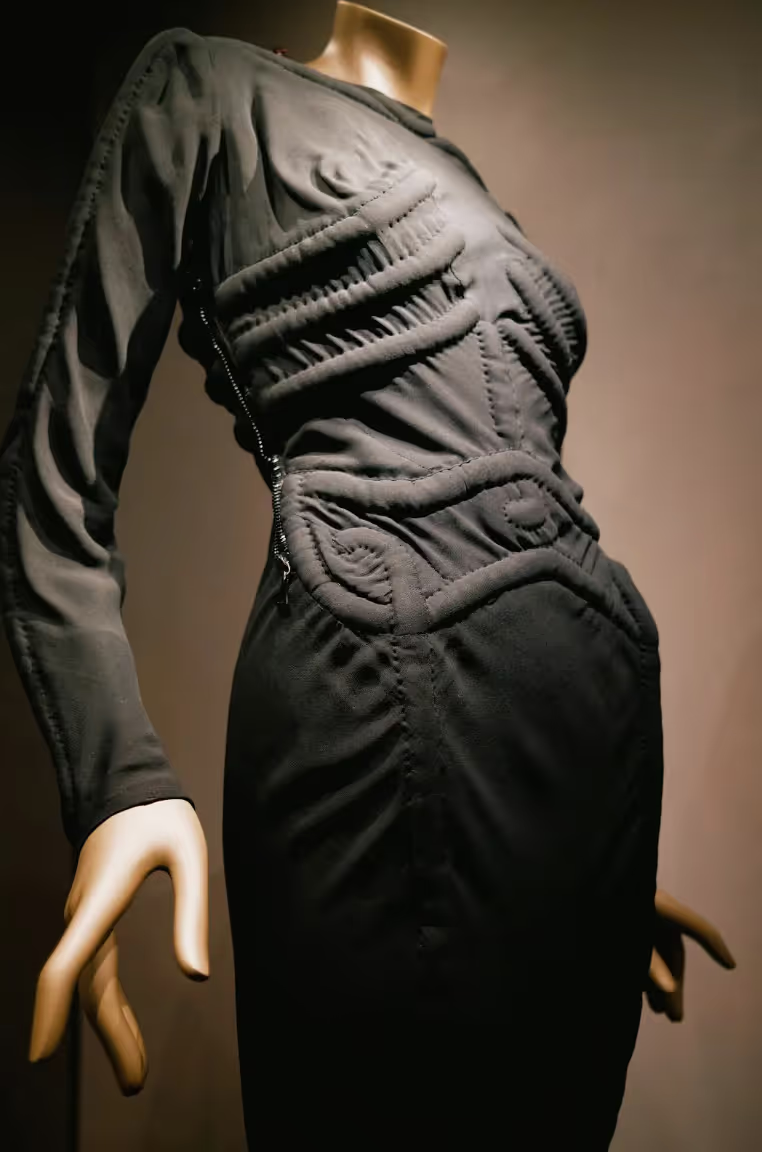
The first room of the exhibition is adorned with projections of black-and-white press clippings discussing Schiaparelli, as if sucked into a newspaper. A golden thread tying Elsa Schiaparelli to the house's new creative director, Daniel Roseberry, runs throughout the entire show. The first two garments on display: Schiaparelli's ‘Bare Bones’ or ‘Skeleton’ dress, designed in collaboration with Salvador Dali, and Roseberry's gold tree branch lung dress from his Haute Couture 2021 winter collection. The Bare Bones gown is from her 1938 Circus Collection, my personal favourite. The boning details, which mimic one's rib cage, spine and pelvic structure, are playful, sexy and a sculptural feat. Unexpected on the runway today, even more shocking 50 years ago.
The use of projection, video and lighting throughout the show was excellent—accentuating the work with a theatrical touch. At one point, video is used to simulate the Schiaparelli storefront, as if you are standing in the store peering out from the window display.
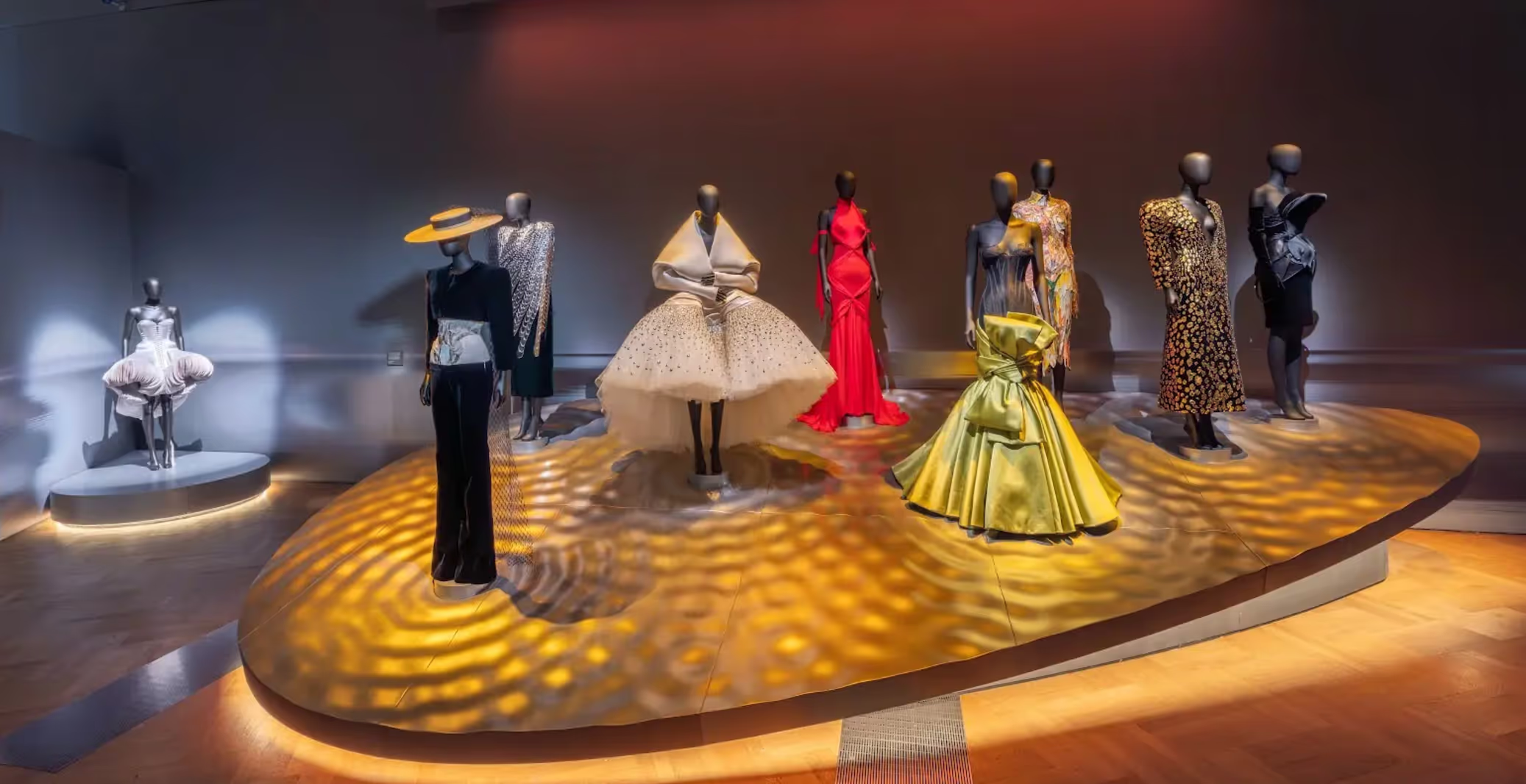
A few rooms over, mannequins adorned in some of Roseberry's most recognisable looks are staggered in a solid silver wading pool. A spotlight intermittently spans the well-dressed posse, highlighting awe-worthy details one mannequin at a time. This lighting decision is unconventional, requiring attendees to wait to see the garments properly lit. Shadows of the tulle layers and slick hats dance across the metallic wall. I can't help but think how much Elsa would have loved the drama of it all.
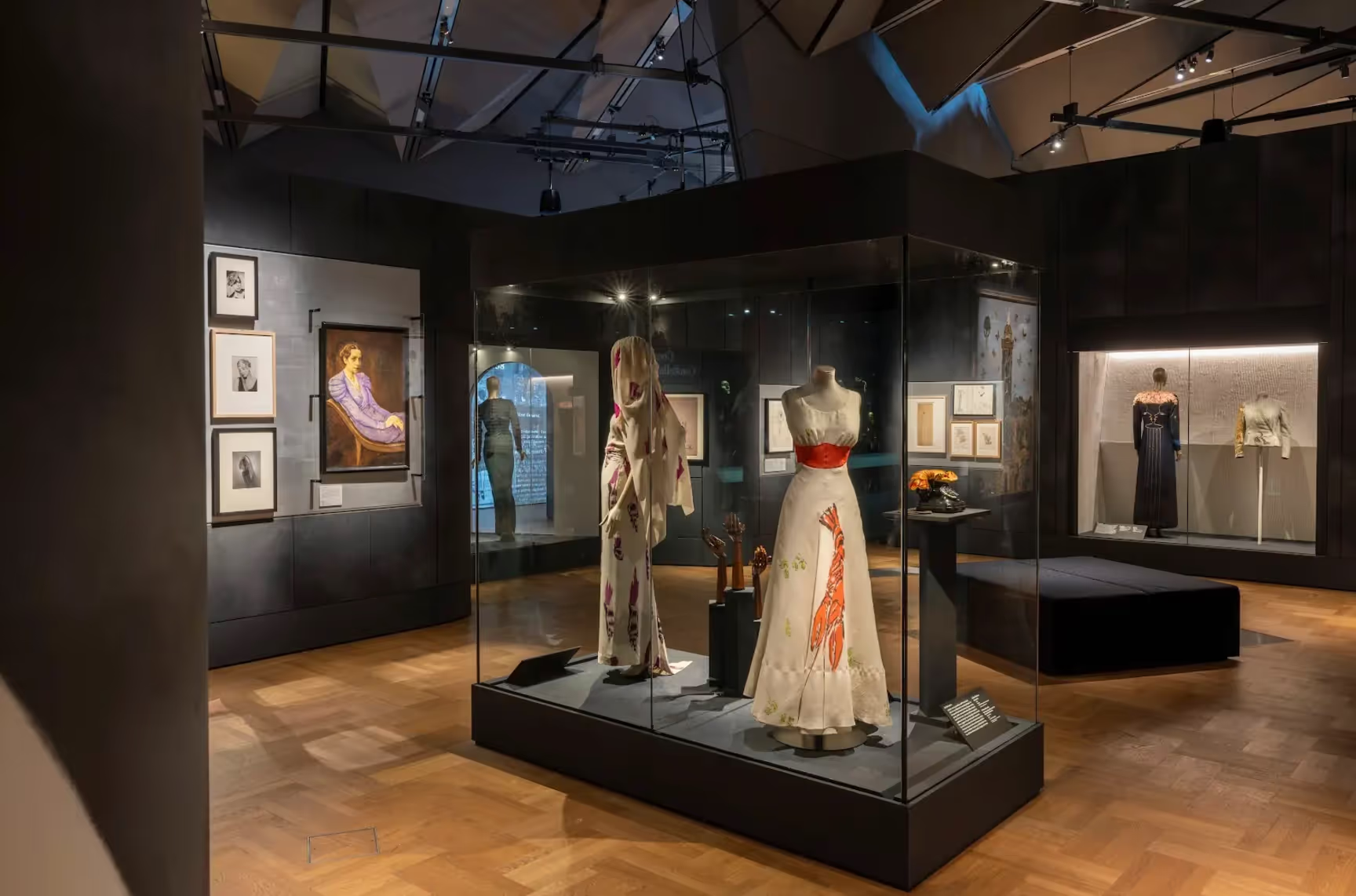
Last summer, one couldn't walk into a high street clothing store without seeing a watercolour-esque sketch of lemon, lobster or tomato plastered across a garment. The internet coined the trend Tomato Girl Summer or La Dolce Vita. But Elsa did it first. A year after the Surrealism Dalí's Lobster Telephone (1936) milestone, Elsa collaborated with the Spanish artist to create the ‘Lobster dinner’ dress in 1937. A silk organza off-white maxi dress with a watercolour-esque sketch print of a lobster. It's on every girl's Italy packing wishlist. It was also Elsa, not John Galliano, who first used a newspaper print on the runway. Schiaparelli's print even included headlines about herself.
The object labels, in classic V&A fashion, are incredibly informative. While Elsa Schiaparelli's work can stand on the merits of its aesthetics, the context provided exemplified not only her innovation but also her ability to respond to the sociopolitical landscape with her designs. The more I learn about Elsa Schiaparelli, the more uninterested in Daniel Roseberry I become. His work falls completely flat next to hers.
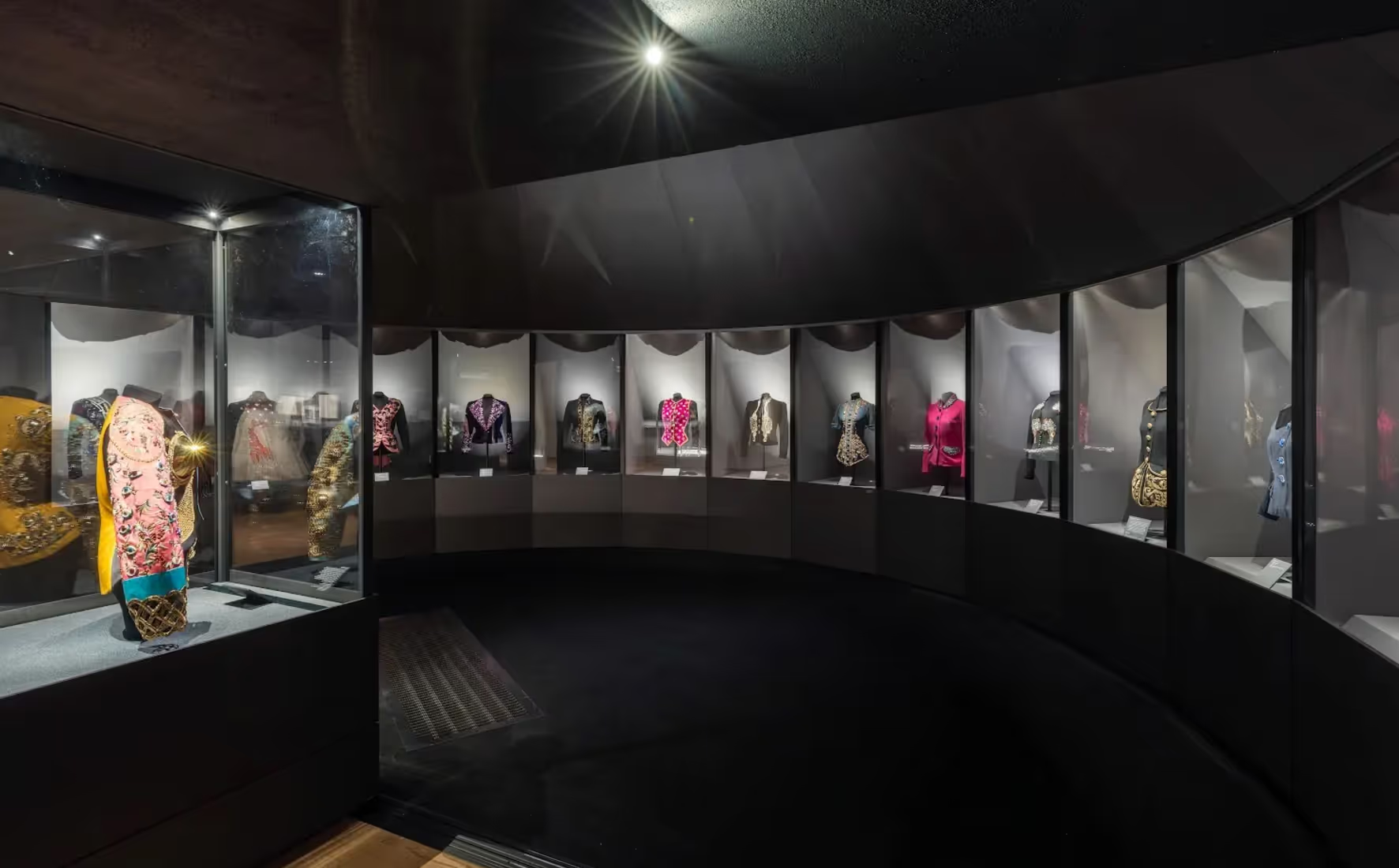
There is a dedicated hallway to Elsa Schiaparelli’s signature jackets. Each jacket was displayed in its own glass cabinet; once again, the lighting intermittently highlighted each one. A stand-out was the 1941 ‘Home Grown’ magenta velvet jacket embellished with embroidered produce and buttons—a nod to the French women who bolstered the economy during WWII through farming.
In addition to clothing, Schiaparelli was also known for their perfumes. The perfume showcase room featured walls covered in fake cream fur—pure camp to match novelty bottle designs. Snuff, a perfume for men, came in a bottle that looked like a pipe, and Sport Eau de Toilette came in a mini bottle of Brut. Elsa Schiaparelli had a knack for the playful, but never crossed a line into tacky, rather her humour and elegance only complemented each other.
By the end of the exhibition, I am completely heartbroken by all the garments I will never get to wear, especially the pink and white elbow-length gloves on display in the accessories room. For a multitude of reasons, some more valid than others, art is tainted by its commercial value. Fashion was a victim of the “art is superior when it lacks commercial value” complex, and designers like Elsa Schiaparelli became collateral damage.
As the fashion versus art debate goes, I am far less concerned with the outcome and more interested in why people choose to draw their lines in the sand where they do. Often, attempts to categorise and define boundaries have gendered implications and reveal outdated mythology. It’s always worth paying attention to what is deemed frivolous. The Schiaparelli: Fashion Becomes Art is abundant with glorious garments and other works of art, contextualised with theatrical staging and fashion history that makes the designs all the more impressive. Else Schiaparelli reminds us just how much fun there is to be had.
The exhibition is on at the Victoria and Albert Museum, London, until 8 November 2026. Don't forget to check in and leave your review in the gowithYamo app!