
Beyond The New York Skyline: Review of Portrait Of A City at Dulwich Picture Gallery
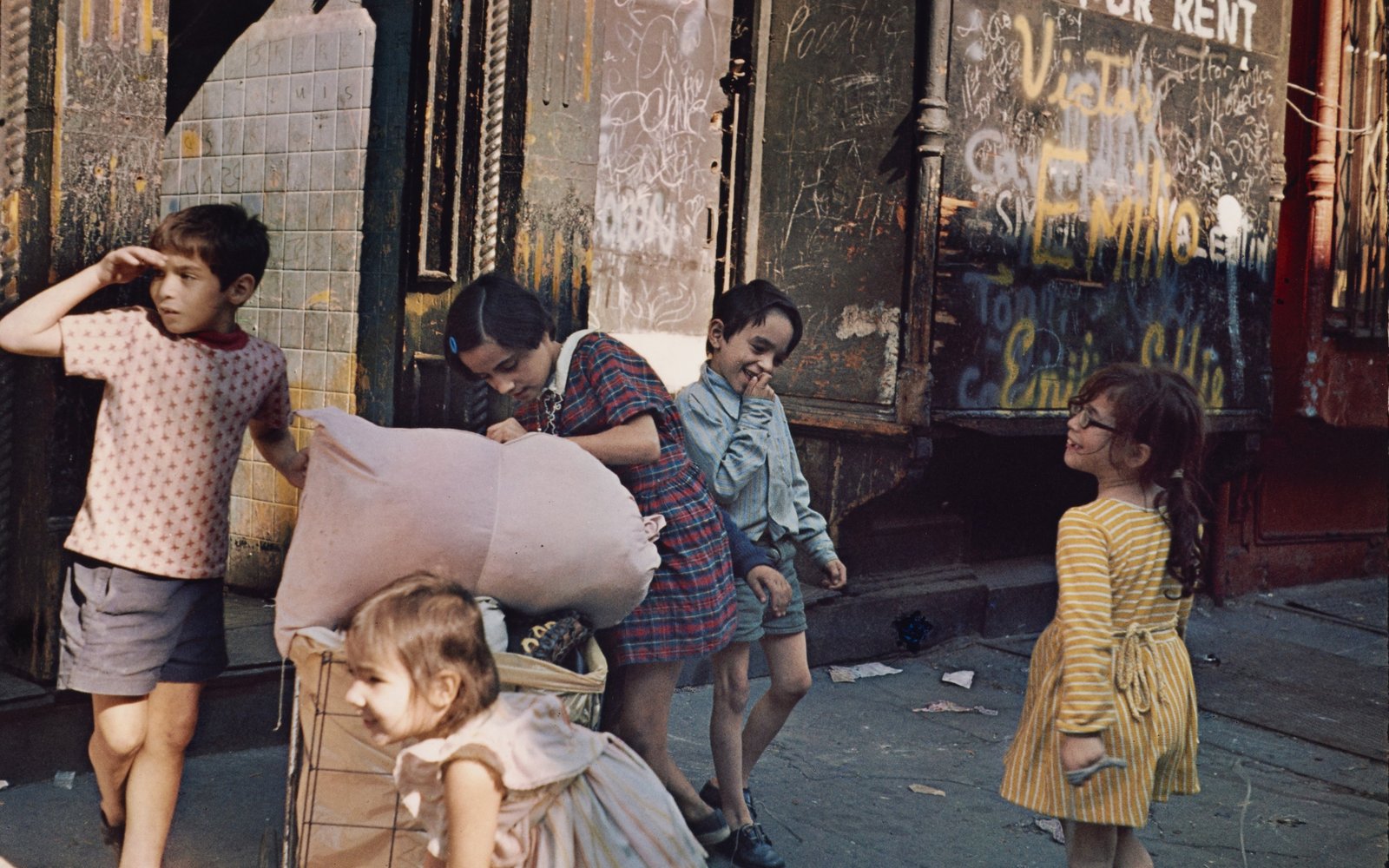
Portrait Of A City: A Century of American Photography at Dulwich Picture Gallery brings together a striking presentation of monochromatic works from a variety of American cities from the early 1900s, uniting a stark balance of over 38 of the era’s leading photographers during a more democratic era of photography. The exhibition moves in a way that is chronological, and each scene has its own varying elements of melancholy captured through both the modern urban environment and collectively conveys how photography presents itself as a unique language. Notably, the exhibition features works by female photographers such as Dorothea Lange and Diane Arbus, highlighting the pivotal role that they were given in shaping the everyday subject matters of American photography. A series of historical events, such as the Wall Street Crash of 1929, which consequently triggered the Great Depression, became a pivotal moment for photographers as they adopted a role in society that involved providing documentation of social realities, observed in scenes of mass unemployment and poverty. Street life and urban life became pillars in which everyday scenes could unfold, alongside the stories of some of its inhabitants and visitors. A multitude of human stories runs throughout the exhibition, evoking nostalgia for the past and its political and social atmosphere. City life was known to encapsulate age, race, class and a multitude of cultures. The photographs produced during the period that the exhibition covers can be described as cinematic, tumultuous and reckoning deeply with their subjects beyond the camera lens.
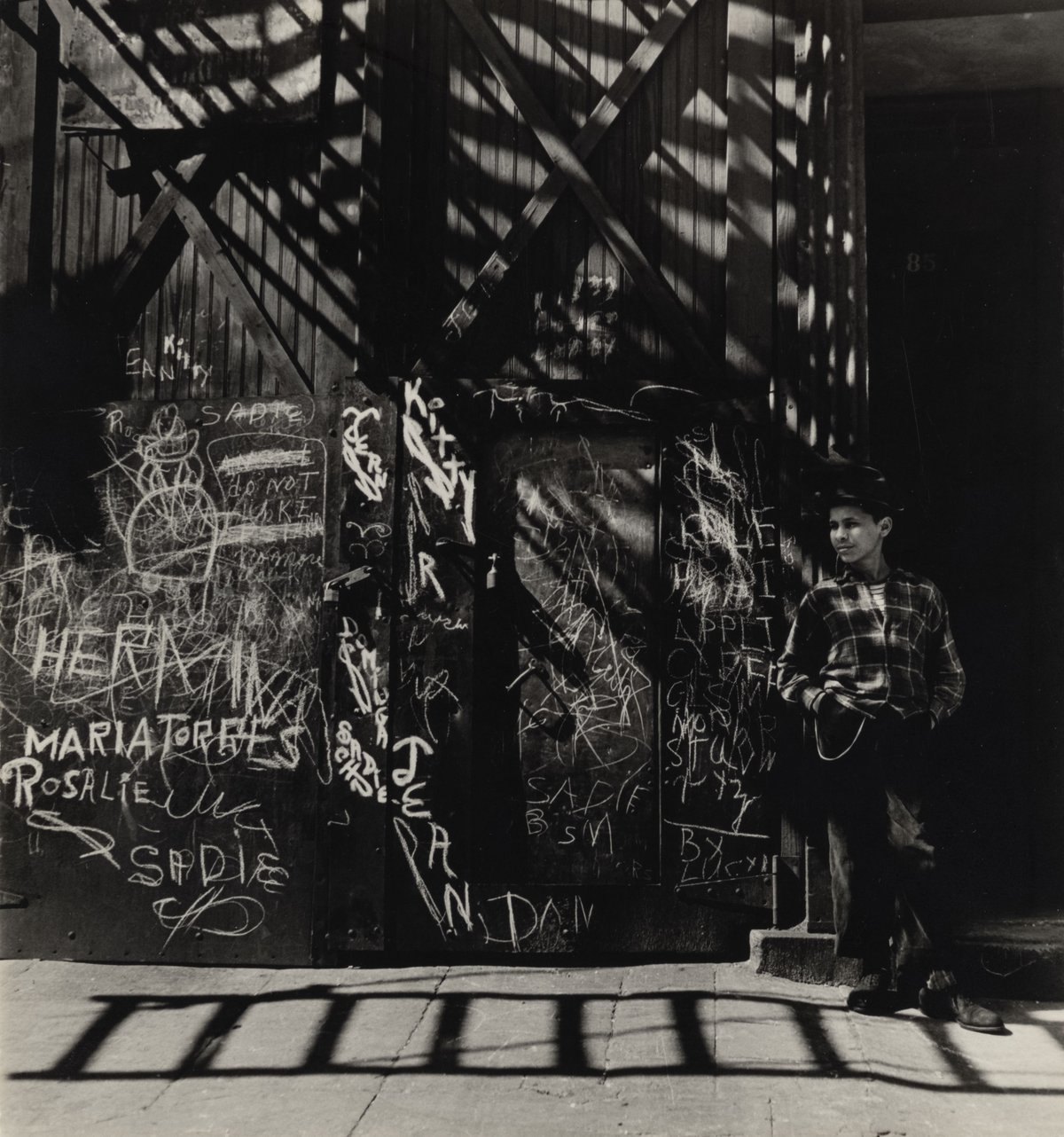
The sheer variety of faces that occupied the urban scene is cinematically caught in its elements. Early American photographers who redefined photographic modernism, such as Walker Evans, captured the facades, people and alleyways of everyday life. Evans was one of the many photographers who captured and documented the impact of the Great Depression. Evans, unlike Alfred Stieglitz with his monumental image The Steerage (1907), turned away from formal photography and aimed to capture the diaristic happenings of everyday life. Stieglitz's approach was more of a redefinition of the photographic medium, revealing social realities in their social rawness, asserting the realities of class and labour.

Throughout the exhibition, the night scenes are a reminder that there is a sinisterness that was associated with New York’s streets at night, perhaps deromanticising its nightlife and instead drawing attention to villainous scenes. Featured works towards the 60s and 70s that move into more modern and hippy territory, such as Richie (1985), a monochrome white gelatin silver print by Peter Hujar is immediately immersing, as viewers observe a man called Richie leaning against a car while drops of moisture are visible on the car’s windshield. The light reflecting off the windshield and the water droplets demonstrate the precise camera skill. We cannot fully read Richie’s expression, although we see him with his head turned upward with light illuminating parts of his face, hands and clothing.
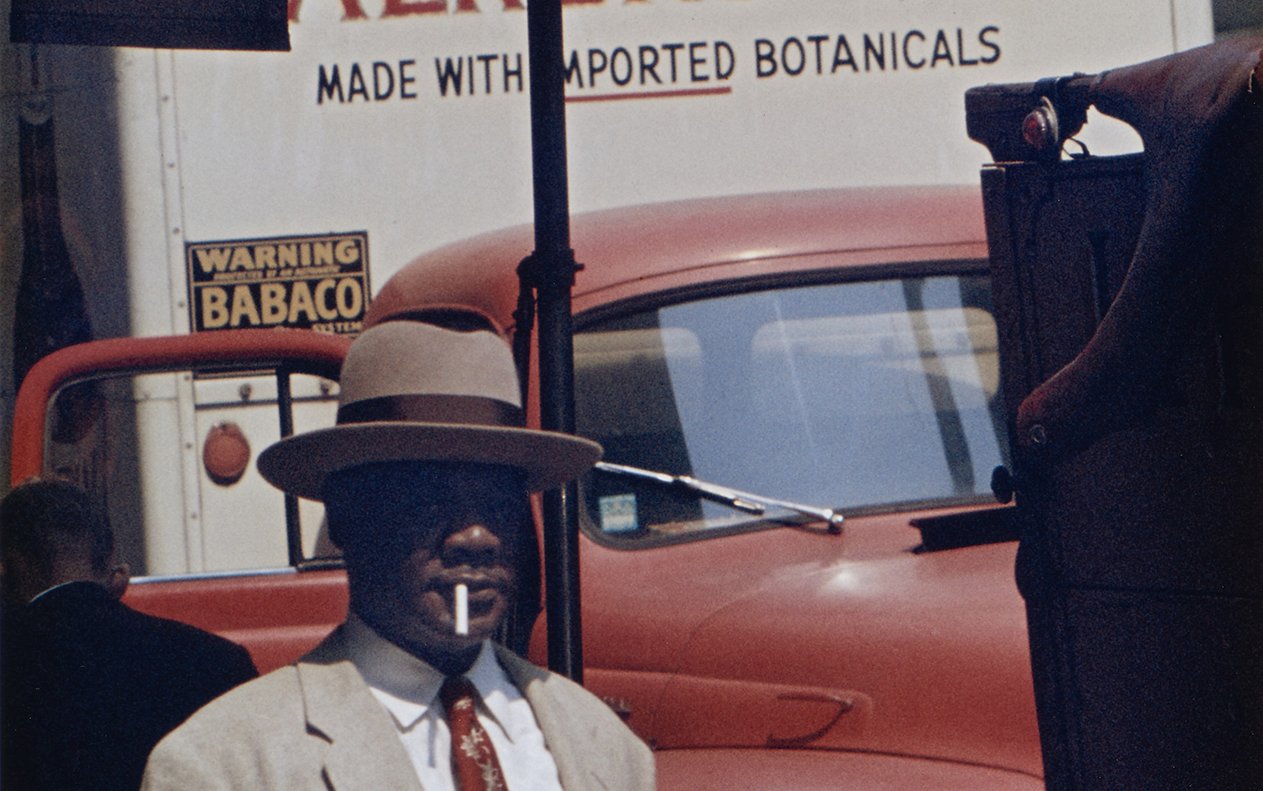
On the vast subject of the American Dream, there are also works such as Mary Ellen Mark’s The Damn Family in Their Car (1987), made as part of a series on homelessness within the United States, which captures a homeless family in their automobile, serving as a symbol of modernity. Their expressions capture more than the lens allows, and there is a sense of a willingness to be photographed by a camera, or even a willingness related to the act of photographing. The act of giving a likeness to a photographer runs throughout the exhibition, which contrasts modern tropes where images are subject to the collectivised digital sphere. In works such as Divers, East River (1948) by Arthur Leipzig, the photograph captures the sense of community and leisure, displaying the backdrop of the city’s infrastructure, which establishes the river as a space of freedom within the city landscape. Ed Ruscha captures different variations of architectural models, providing insight into how these structures adapt to new demands of work and leisure. Interestingly, links can be made between Édouard Manet’s modern Parisian scenes and the rise of American street photography. Ruscha doesn’t dwell on the beauty of these structures, but instead expresses the economic might of the city and its various systems without necessarily aestheticising them. The exhibition’s overall message represents how photography served as more than just a simple medium, but instead a vehicle for understanding American life as part of the wider urban experience, and the people that made up vast cities, both within it and as part of a global circuit. As we observe the past, the photographic lens also redirects us to the future, which is more than just a vision of society.
Don't forget to check in and leave your review on the gowithYamo app!