
Azure Blue Hues and Sultry Summer Splendour, Painting The French Riviera at The Royal Academy of Arts
Painting The French Riviera at the Royal Academy of Arts encapsulates viewers to bear witness to the real coastal quality and splendour of the Côte d'Azur. Alongside Cézanne, Picasso and Matisse, the exhibition traces how a multitude of artists living and working during the exhibition’s chosen period embraced the endless summer landscape. In particular, the exhibition champions each selected artists’ mastery with brushwork in depicting the breathtaking scenery of the Mediterranean with sun-kissed hues. The Mediterranean landscape is far from understated, due to mainstream creative appeal and popularised culture. Most significantly, geography is seen to have shaped the history of modernism. The geographic placement of each artist contributed to their unique reckoning with time and place.
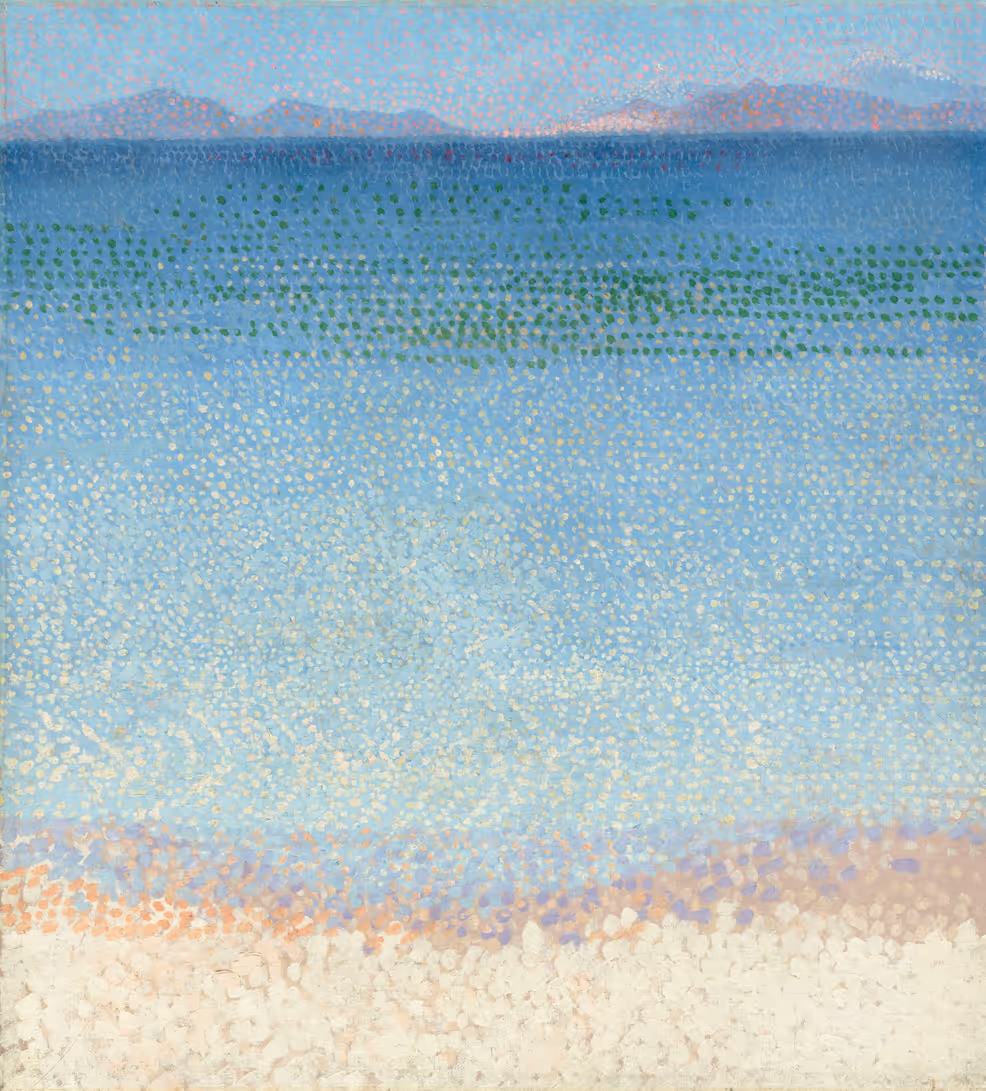
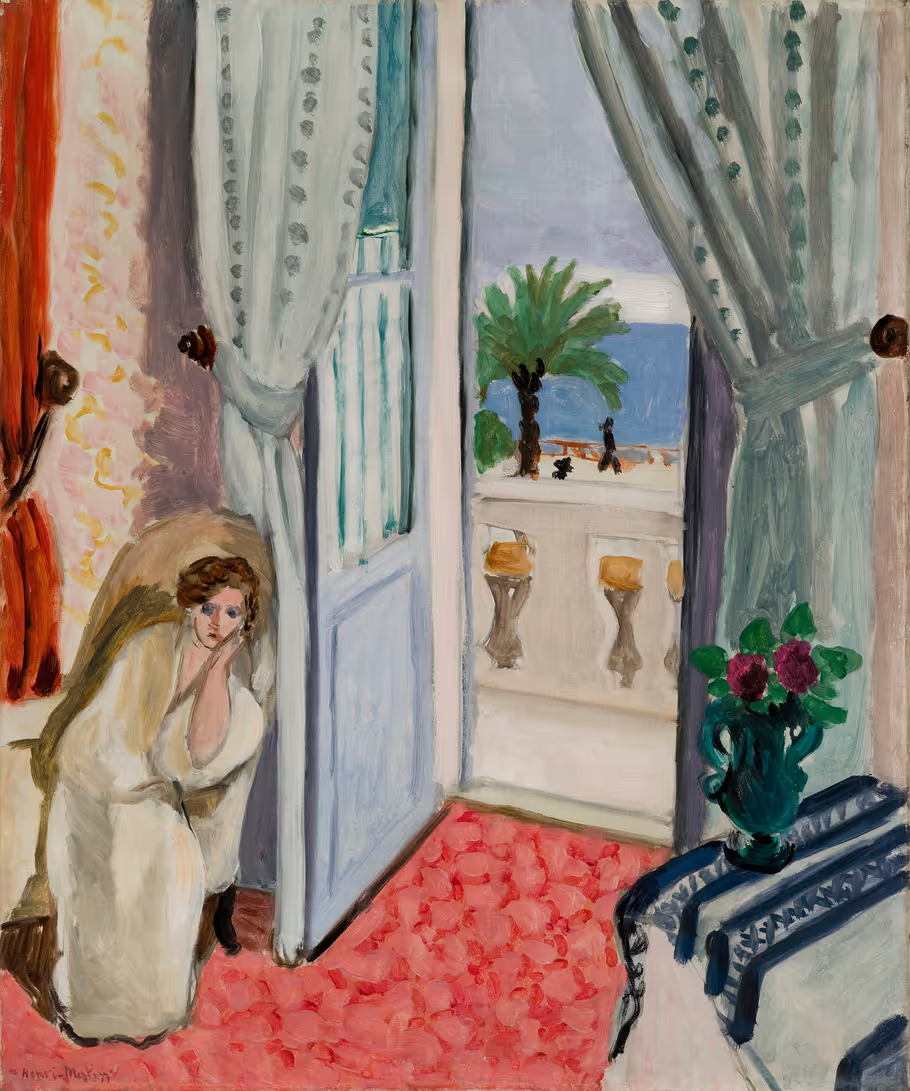
Paul Cézanne’s iconic brushwork captures the coastal surroundings with scenic splendour, developing a style that resonated with natural and architectural qualities of the landscape through the deployment of simplified geometric forms depicted through bold brushwork. The prime location of L’Estaque allowed Cezanne to explore the theme of the bather, which was a subject that continued to fascinate him until 1906. The revival of a classical subject in a modernist style is truly reflected in Cezanne’s three Bathers paintings, which arguably most strongly defined his approach to his popularised subject. In these works, Cezanne champions simplified shapes within the prominent Mediterranean light. The inclusion of Henri Matisse’s Luxe, calme et volupté (1904) makes bold use of high-tone primary colours to materialise the landscape. The theme of escapism within this painting is best reflected in its title, which translates to “Richness, calm and pleasure’, a line borrowed from 19th-century poet Charles Baudelaire, drawing links to the tranquillity of the natural landscape. Matisse was not drawn by conflict or politics, preferring instead to capture the essence of his surroundings. As he famously quoted: “What I dream of is an art of balance, of purity and serenity, devoid of troubling or depressing subject matter.” Paul Signac’s eye-catching works such as St Tropez, le quai (1899), depict pointillist boats on the sea, with a multitude of colours that stimulate a feeling of joy for the coast.
As the exhibition moves forward, in response to the aftermath of the First World War, the coast transformed into a symbol of hope and optimism, which was reflected in the landscape, encompassing the sea and sky, drawing special attention to the azure colour blue. Prominent artists such as Marc Chagall, who was living in the South of France at the time, produced dreamy, poetic works while residing there. The combination of physical placement alongside a sense of belonging allowed these artists to truly express what the French coast really meant to them. The intensity of colour and emotion became all the more apparent during this later period. The exhibition places focus on the fleeting ‘visitors’ to the region, such as Picasso, which are shown through a more popularised lens. Picasso takes on the subject matter of bathers, which was a recurring theme throughout the 1950s, while goats and satyrs made a star appearance through his linocuts, which was arguably one of his favoured mediums. St. Petersburg-born Nicolas de Staël brings exuberant, abstracted compositions to the scene, which were a product of his time in Provence between 1953-54. While his compositions are more figurative compared to the more representational quality observed in the works of the other chosen artists, they are bold with strong emotional urgency. Aside from blues, yellows, oranges and reds observed in his paintings recall the luminosity and radiance of summer. While his paintings and their connotations appear wholly optimistic, the artist had a tragic death from suicide at the age of 41 in Antibes, but this did not take away his masterful blending of abstraction and figuration.
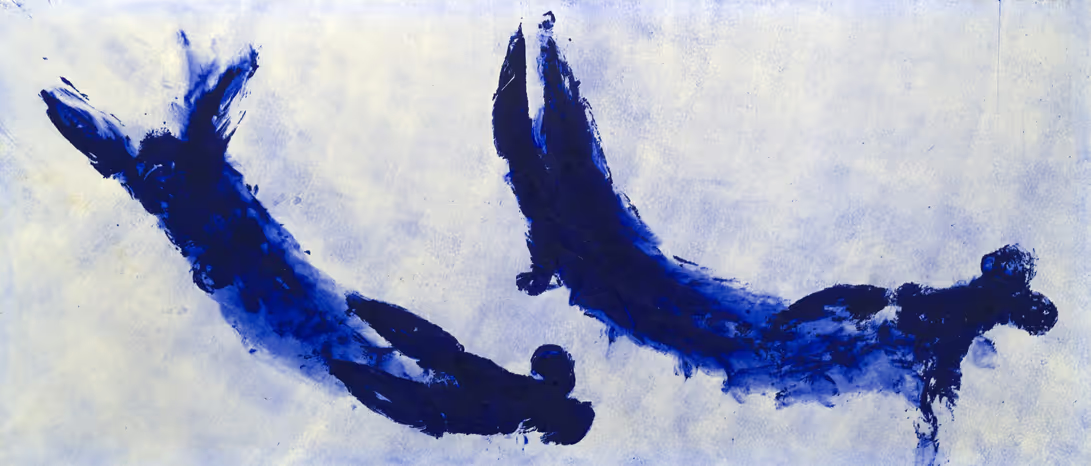
The exhibition concludes with Yves Klein’s striking blue, his trademark ‘Klein blue’ (IKB), which goes beyond simply representing the sky and the sea but instead transports us to experience a holistic sensation of cosmic energy. Again, there is reference to the female figure as observed in the works of the other relevant artists, such as Matisse, is also recognised in Klein's Anthropometries, where the female figures become literal paintbrushes through mark-making their figures onto his canvases. While Klein’s bold, blue works were subjectively not a concluding note for the exhibition, they represent the increasingly modernist thread that runs through the exhibition until its finale. While the colour blue evolves, it continues to define the works of these groundbreaking artists beyond what the Riviera holds.