
The Mnemosyne: inside Sgáire Wood's curated moodboard

Inspired by Aby Warburg’s titanic visual atlas, – the oldest form of moodboard to date – The Mnemosyne: inside curated moodboards is where we ask artists to walk us through their artistic research to contrast algorithmic feeds and restore the fun in personally-curated visual boards.
In this chapter, we ask Irish artist and performer Sgàire Wood for her references and inspirations. With roots in drag, photography and sculptural installations, Sgàire’s practice cleverly mixes contemporary and antique mythology, heritage and the relationship between icons, memory and decay. She’s the manifestation of fantastical Celtic imagery come to life, and without any hesitation, the creator and master of the big-eyed Bratz makeup look.
Sgáire Wood’s solo exhibition In Pride, In Piety, In Vigilance will open on 14 August at Jupiter Artland as part of the Edinburgh Art Festival 2026. For the occasion, Wood is also curating the one-night-only party Jupiter Rising x EAF, dedicated to queer performers and DJs, on Saturday 22 August.

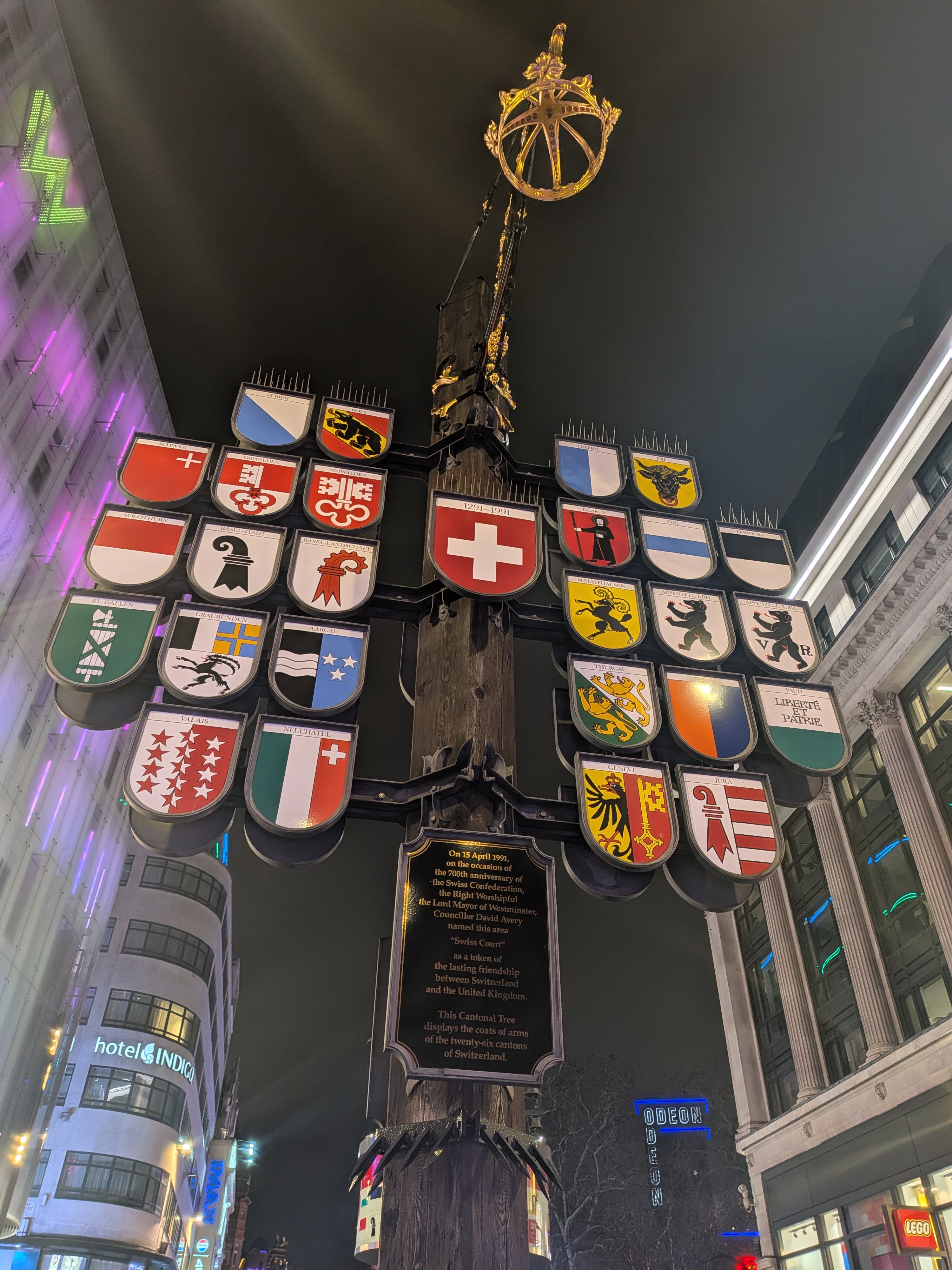
SW: This is the Swiss Cantonal Tree at Leicester Square in London. For the past year or so, my work has focused a lot on heraldry and vexillology as sort of early forms of graphic design and the inconspicuous meaning behind the abstract visual language they employ. Specifically, I’m fascinated by the ways in which heraldry, despite seeming simple and decorative in its application in modern life, is a system of images tied to complex notions of heritage and inheritance; much of its imagery is rooted in violence, especially towards animals.
SW: These are the swans at Pickie Fun Park in Bangor, the town in Ireland where I’m from. A constant in my practice is an examination of the relationship between the real and the symbolic, or the authentic and the artificial. Animals and their various depictions within visual culture feel like a really perfect representation of this to me; this imitation of the natural world and projection of meaning or virtue onto that. The swans, for me, are also just a symbol of childhood and the complicated relationship I have with where I’m from and its history.

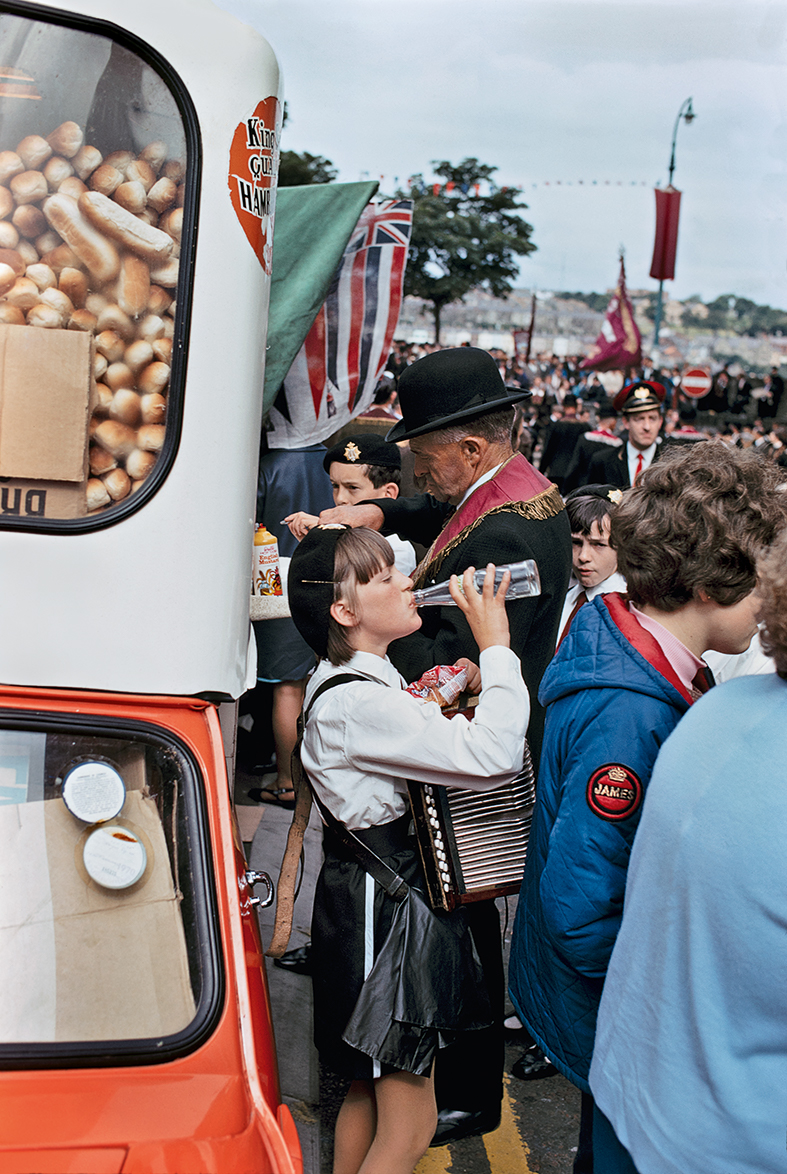
SW: This is a photo by the Japanese war photographer Akihiko Okamura of the Twelfth of July celebrations in Derry in 1969. Okamura’s photos of Ireland during the Troubles are so colourful and innocent despite the grim, often violent subject matter they depict and have been really informative in the research for my current project examining the aesthetics of violence.
SW: This is the long shut down Dales carpets in Newtownards, County Down. I’ve been photographing a lot of decrepit signage in the area where I live and the places where I grew up. I guess I just like the accidental beauty created by clashing colours and incomplete, stretched out, mismatched type and sort of falling apart graphic design. The degradation of things which were once so clean and precise is just very beautiful to me as a marker of the passage of time.

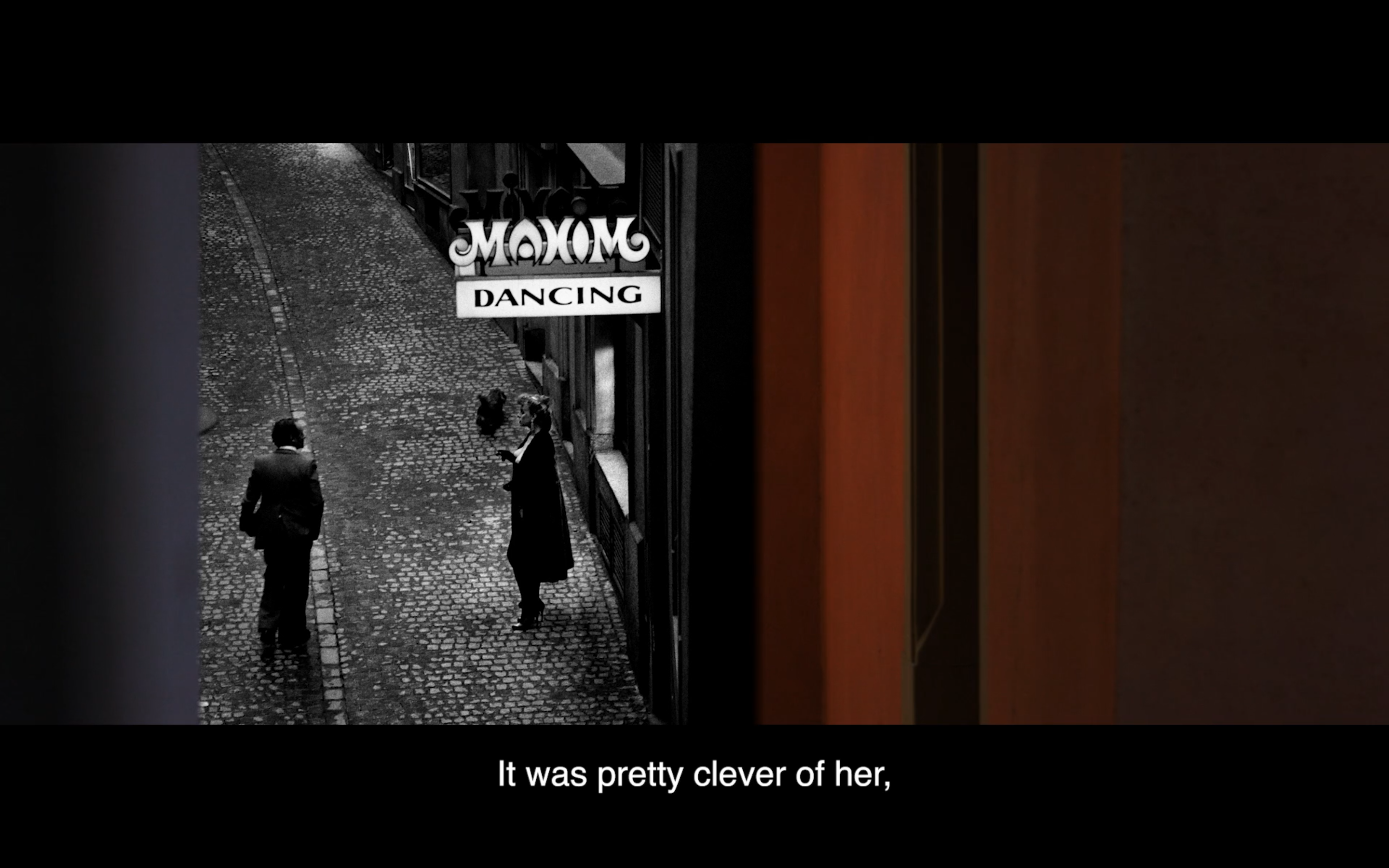
SW: This is a still from Glow (2017), a documentary film about the life of Swiss model/singer/muse Irene Staub. I first saw her on a postcard I bought in Berlin and became a bit obsessed with her for a while. I loved this shot of her standing outside the club she used to dance at. The sign is really mesmerising.
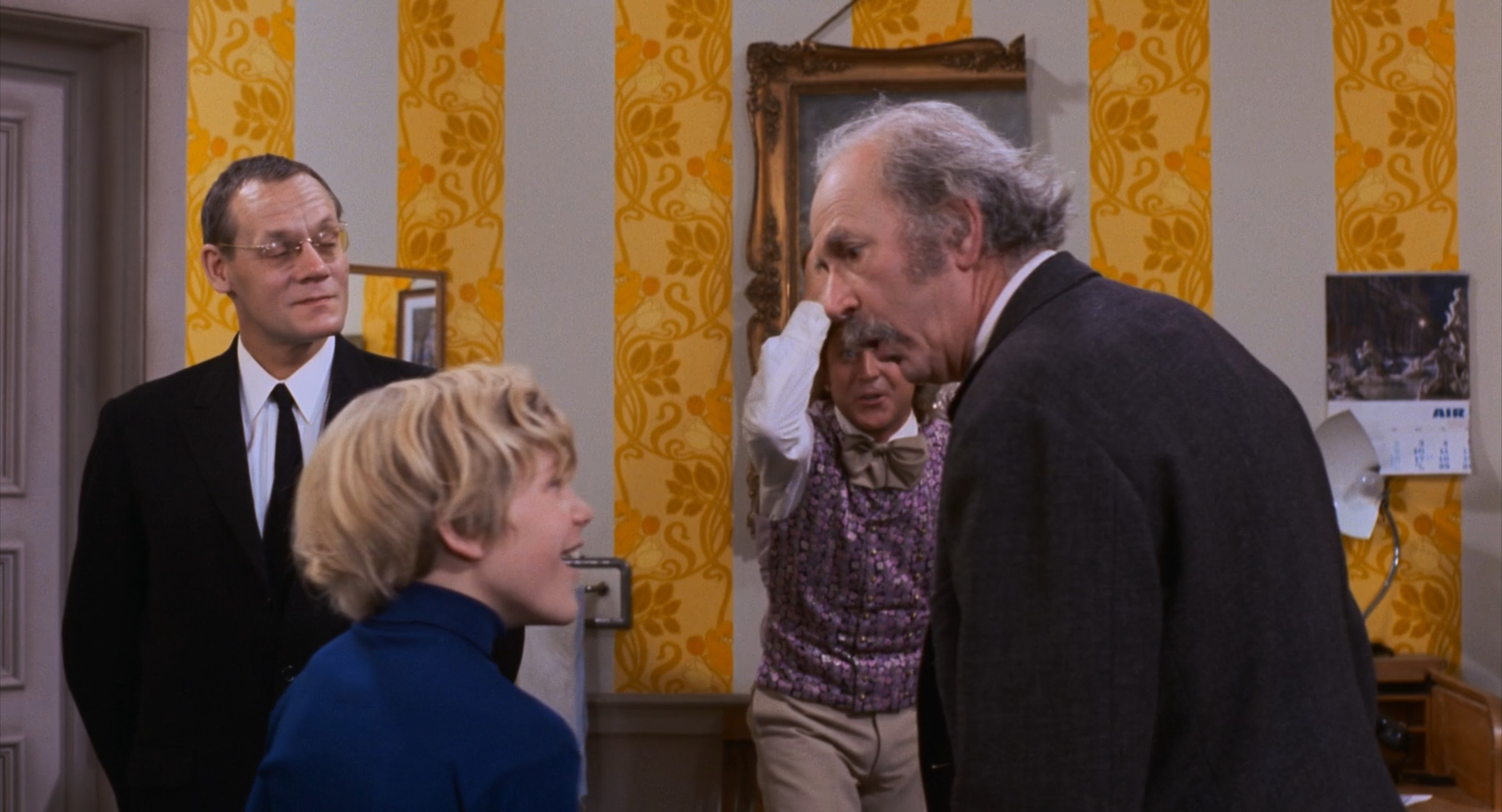
SW: This is a still from Willy Wonka and the Chocolate Factory (1971), one of my favourite films and one which, for some reason, comes up in my work again and again. I think it just meant a lot to me as a child because I watched it with my grandparents, and because of the world it creates that is so enchanting and nostalgic and dark. In this recent period of research, I was fixated on Willy Wonka’s office, where he only has half of everything. In this frame, you can see his 60s/70s Art Nouveau wallpaper interrupted by bars of grey.
SW: These are the windows of two adjoining flats near where I live in Govanhill, Glasgow. I grew up in the north of Ireland, where certain flags and colours are highly politicised and associated with sectarian conflict. Obviously, these are complex associations, and they exist everywhere to different extents, but it has been interesting and disturbing to see the increased weaponisation of national symbolism for racist, fascist and violent ends proliferate in the same way elsewhere in the world over recent years. My personal experiences of this phenomenon – and its wider relevance in today’s political climate – are a central theme in my current project.

Pictures of works:


Don't forget to check into Sgàire Wood: In Pride, In Piety, In Vigilance, and leave your review on the gowithYamo app!