
The Mnemosyne: inside Nicolaas Victor van de Lande's curated moodboard

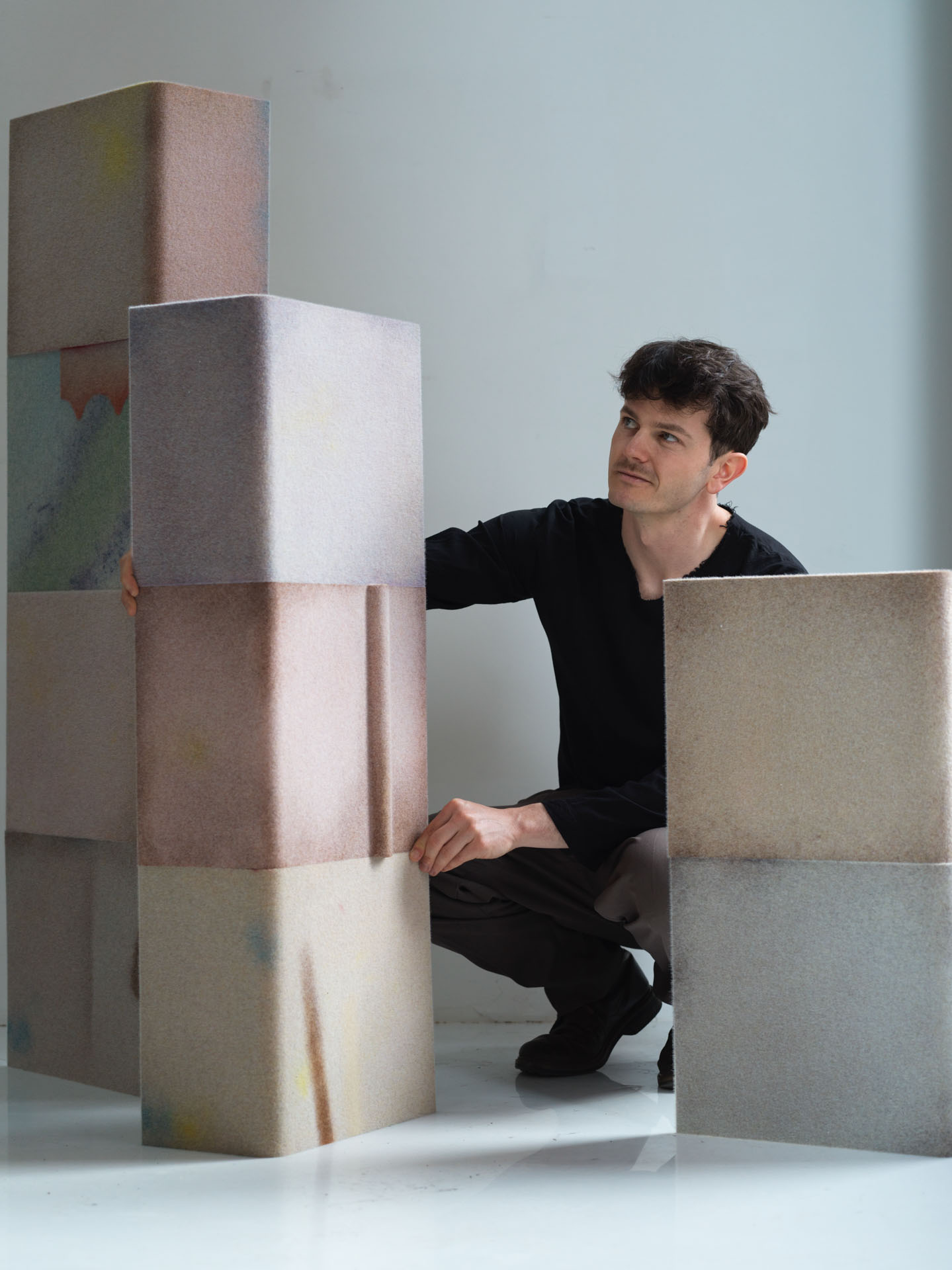
In this chapter, we asked Dutch artist Nicolaas Victor van de Lande to talk us through his references for his upcoming show at Shipton Gallery, London, at the end of a residency there. The show, called People Make Plans for the Land (going from June 17th to July 1st), refers to the ways in which the synthesis of complex thoughts — such as the kind we might use to explain life to a child — can create new thought-forms that allow us to view things from a different perspective.
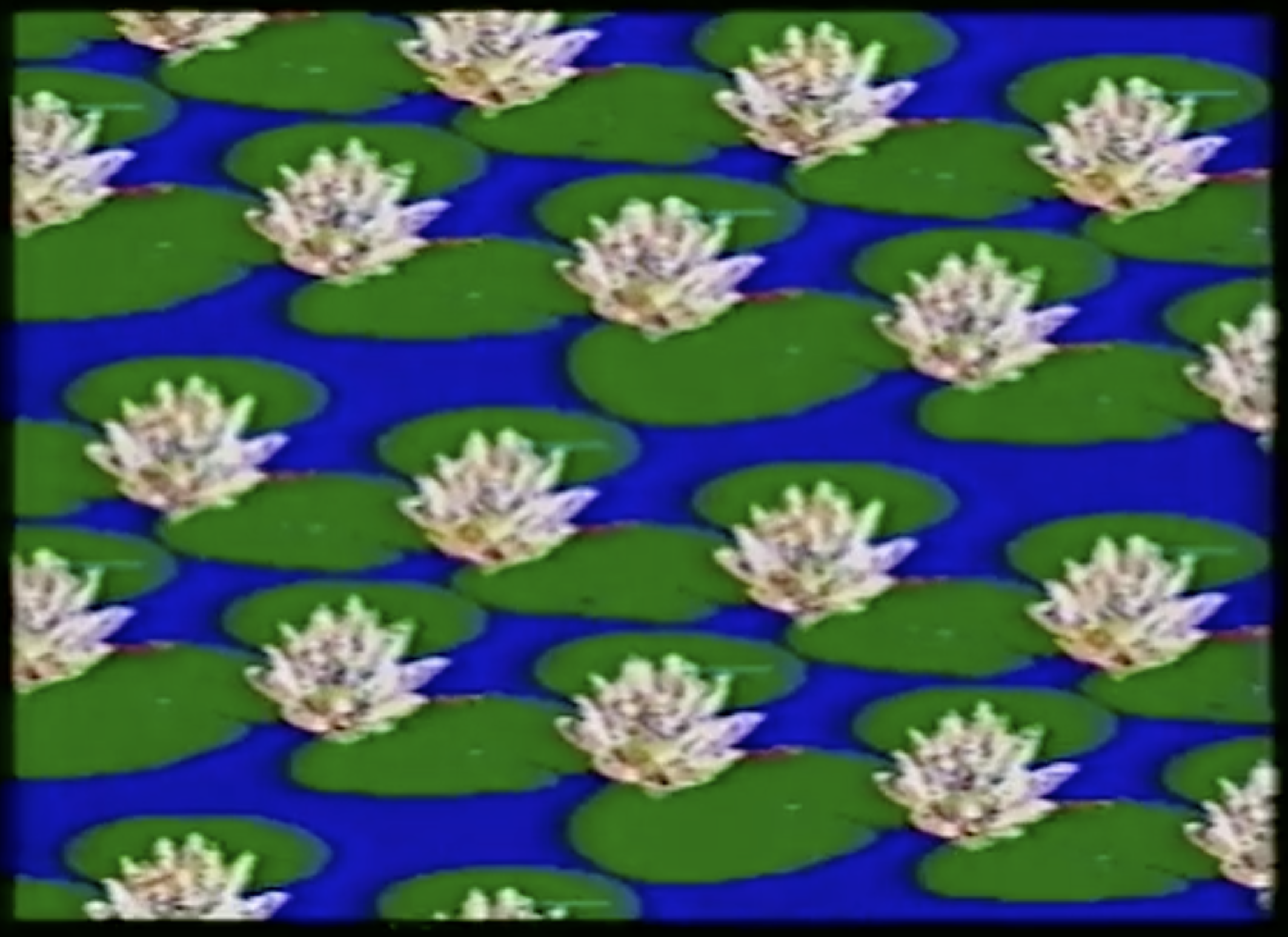
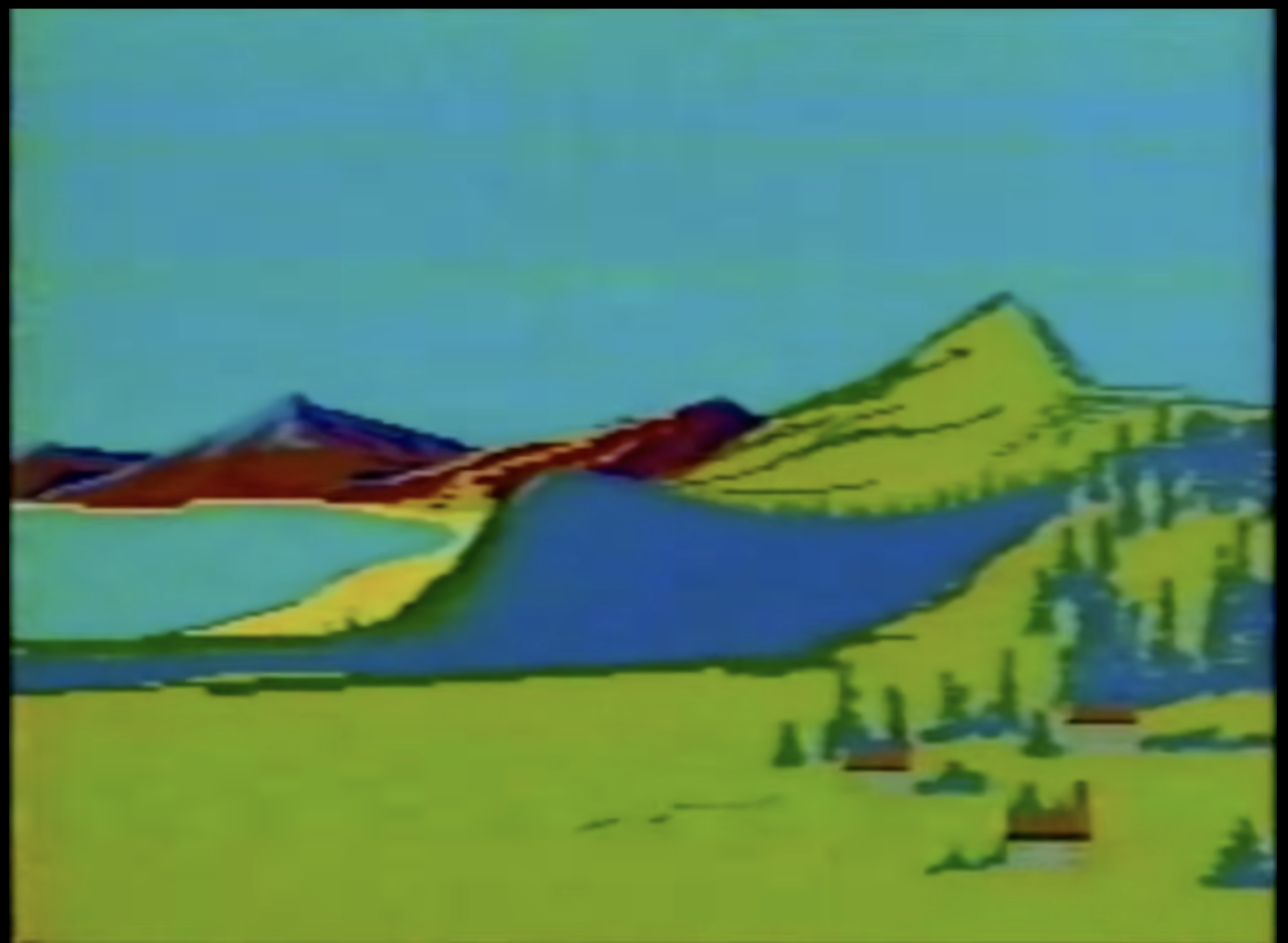
NCVDL: I’ve prepared a selection of stills from the work of Lynn Ochberg, whose animations I've been looking at recently. In the 1990s, Ochberg created homemade animations using an early Commodore Amiga computer. These short, slightly absurd yet beautifully imaginative works feel, in some ways, like a precursor to much of the digital visual culture that followed.
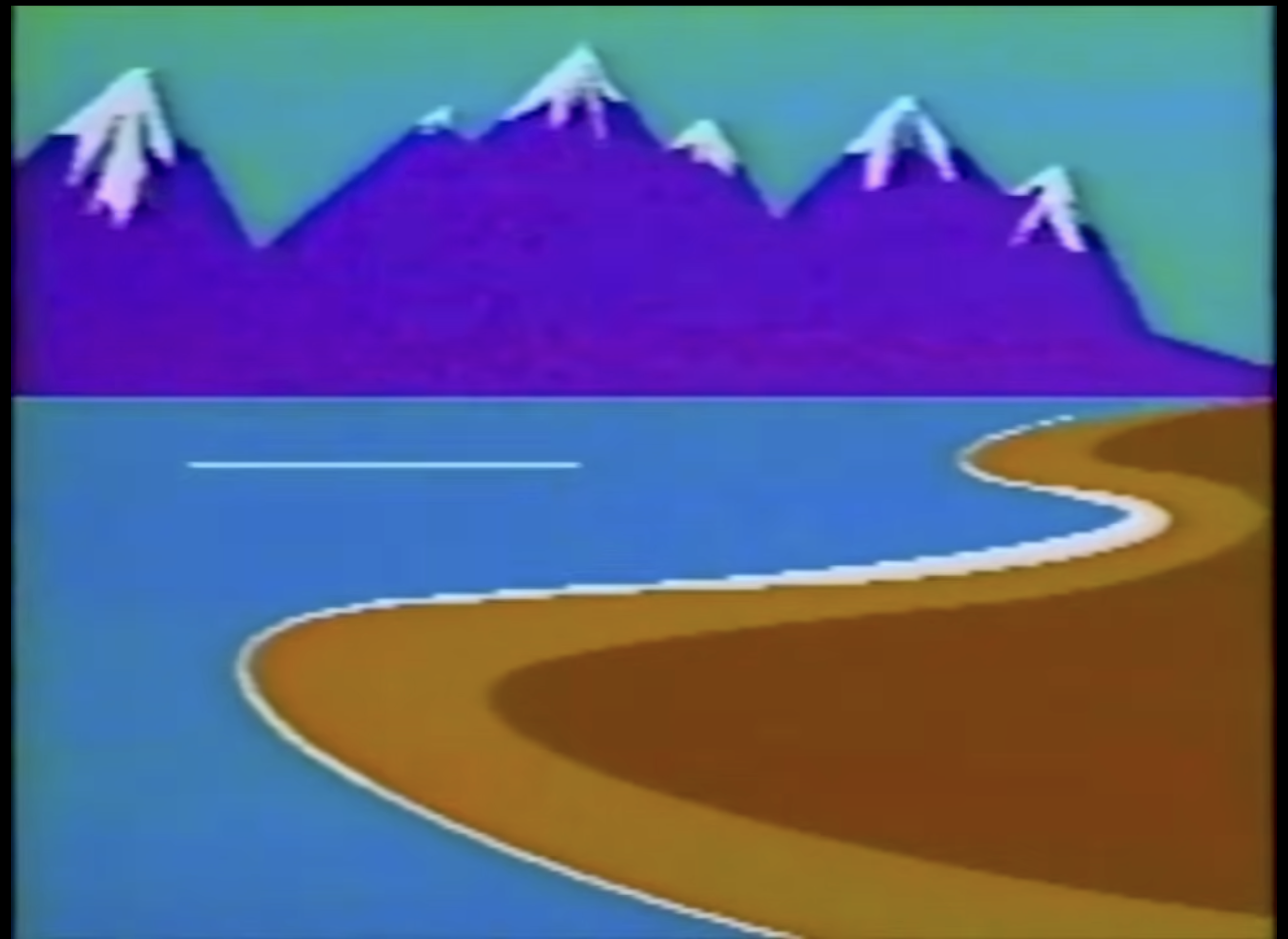
NCVDL: I am particularly drawn to the landscapes in these images. The cartoon-like reduction of landscape into colour, shape, and atmosphere relates closely to the imagery in my exhibition. The landscapes in my work are not depictions of specific places but imaginative constructions, reduced to simple forms and colour relationships.
NCVDL: My show at Shipton, London, is titled People Make Plans for the Land. The title may suggest something political, but my intention is more abstract. The exhibition is not about what plans are being made, but about the act of planning itself. It is the kind of sentence one might say to a child when explaining how people work together to organise the world around them.

NCVDL: I am fascinated by this reduction of immense complexity into a simple and sensible logic, something we often do when speaking to children. It is a gesture that also exists within the visual language of the works themselves.
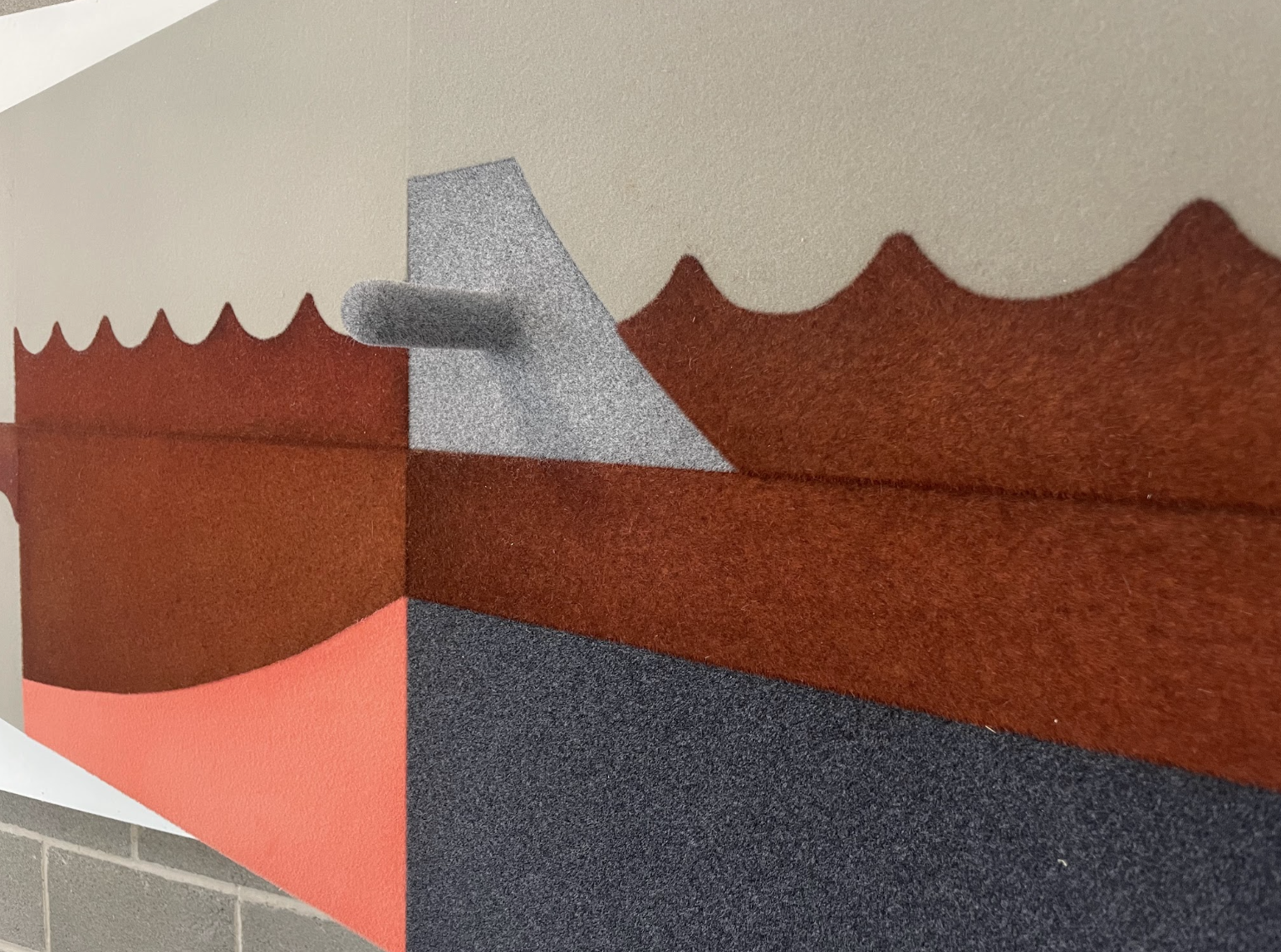
NCVDL: Rather than celebrating or criticising our tendency to simplify, I am interested in observing it. It is a softer, more distant gaze. We are constantly selecting, abstracting, and constructing a sense of the world from fragments and pieces. We assemble reality much like a puzzle, creating coherent wholes from incomplete information. Whether for good or ill, this is simply what we do.