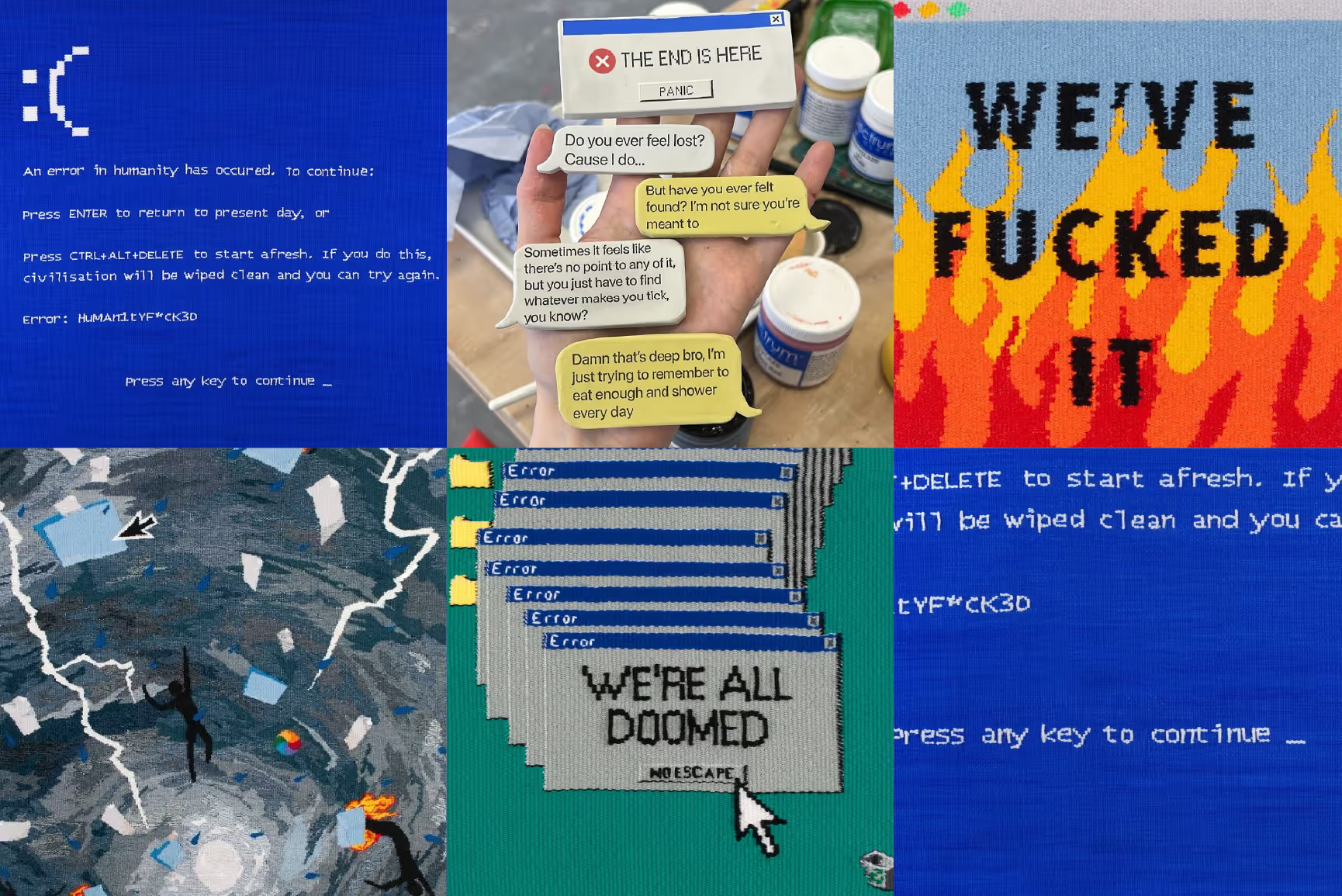
The Mnemosyne: inside Molly Kent's curated moodboard
Inspired by Aby Warburg’s titanic visual atlas, – the oldest form of moodboard to date – The Mnemosyne: inside curated moodboards is where we ask artists to walk us through their artistic research with an archive of visual bits (archived images, camera roll pictures, book pages, videos), to contrast algorithmic feeds and restore the fun in personally-curated visual boards.
Edinburgh-based Molly Kent is using textiles following the great tradition of artists trying to reflect on a medium associated with slowness and meticulousness, in contrast with the speed at which events unfold in history. As early as the 1980s, the Italian artist Alighiero Boetti was working on his Mappe, a series of tapestries made by Afghan craftswomen who traced world maps coloured according to the national flag of each country. For Boetti, the relationship between the slowness of the artisanal labour involved in tapestry and the speed with which something as ephemeral as geographic borders can be reconfigured was a matter of deep interest.
For Molly Kent, the decision to crystallise a moment of sudden change — with the profound anxiety it brings — through textile art seems to stem from a similar reflection on the difficulty of making sense of a world in transformation, shaped by the “polycrisis”: overlapping crises that accumulate in a state of constant overwhelm. We asked Molly Kent to share, through a visual board, some of the references that informed the textile works she created around the idea of the end of the world.
Image 1: Superarcade
A consistent point of reference in my work is video games, and the book Supercade by Van Burnham has been an incredible source of material for both visuals and the inspirations behind cult classic games. The reference to video games isn’t always obvious within my work, but I always try to embody an element of ‘playfulness’ even when dealing with more difficult topics.
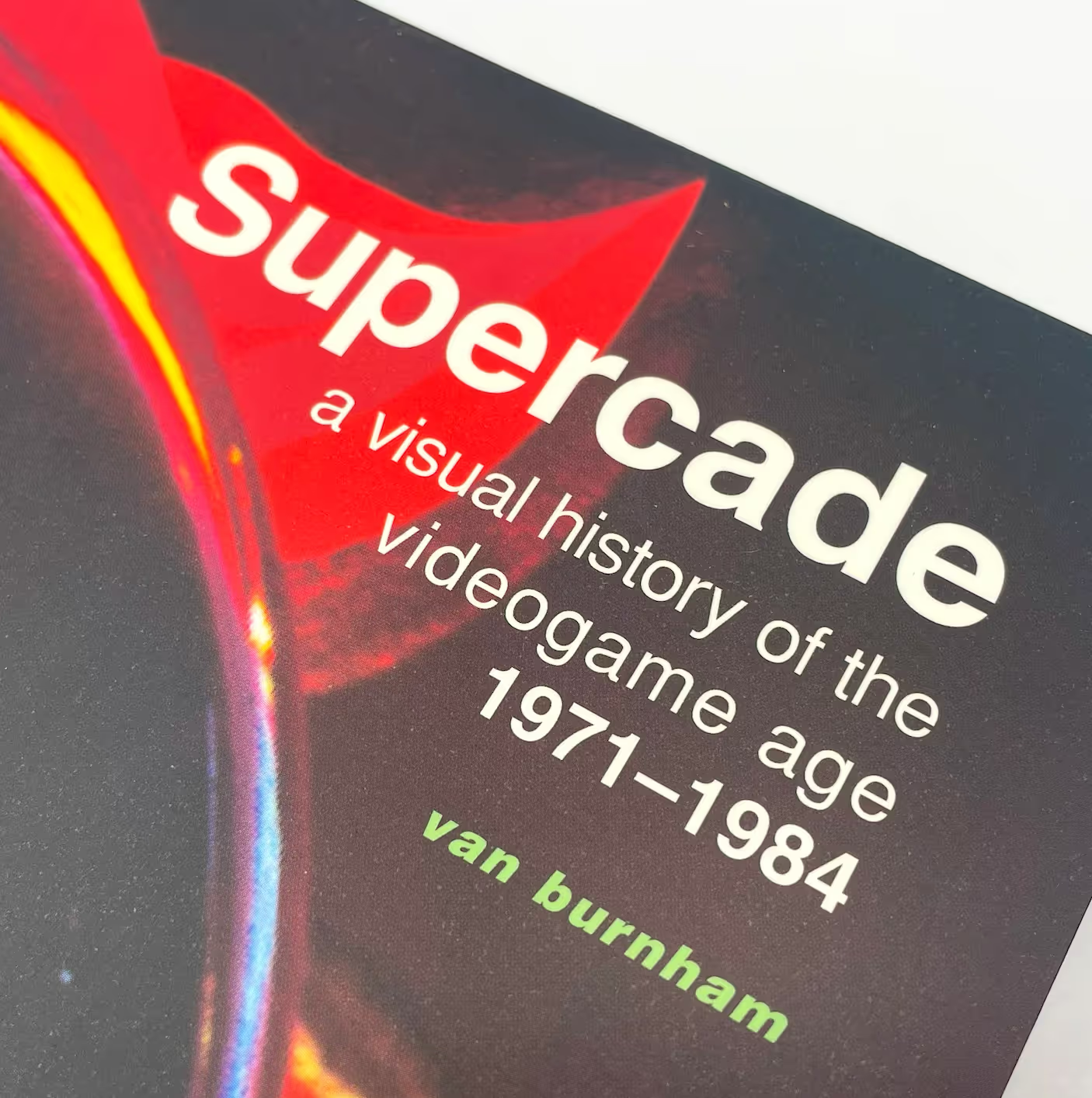
Image 2: Vinyl
One of the main inspirations for my most recently shared ceramic piece, titled Time is Up (Tick Tok), was the surge in Zoetrope special-edition vinyls being made, such as the above made by Blood Records of Olivia Rodrigo’s second album, Guts. I wanted to encapsulate this playful element within my own work, and so, in my work, you see the hourglass icon is counting down and then back up as the pot rotates, and the icon for the planet becomes engulfed in flames, with an error dialogue box appearing when at its apex.
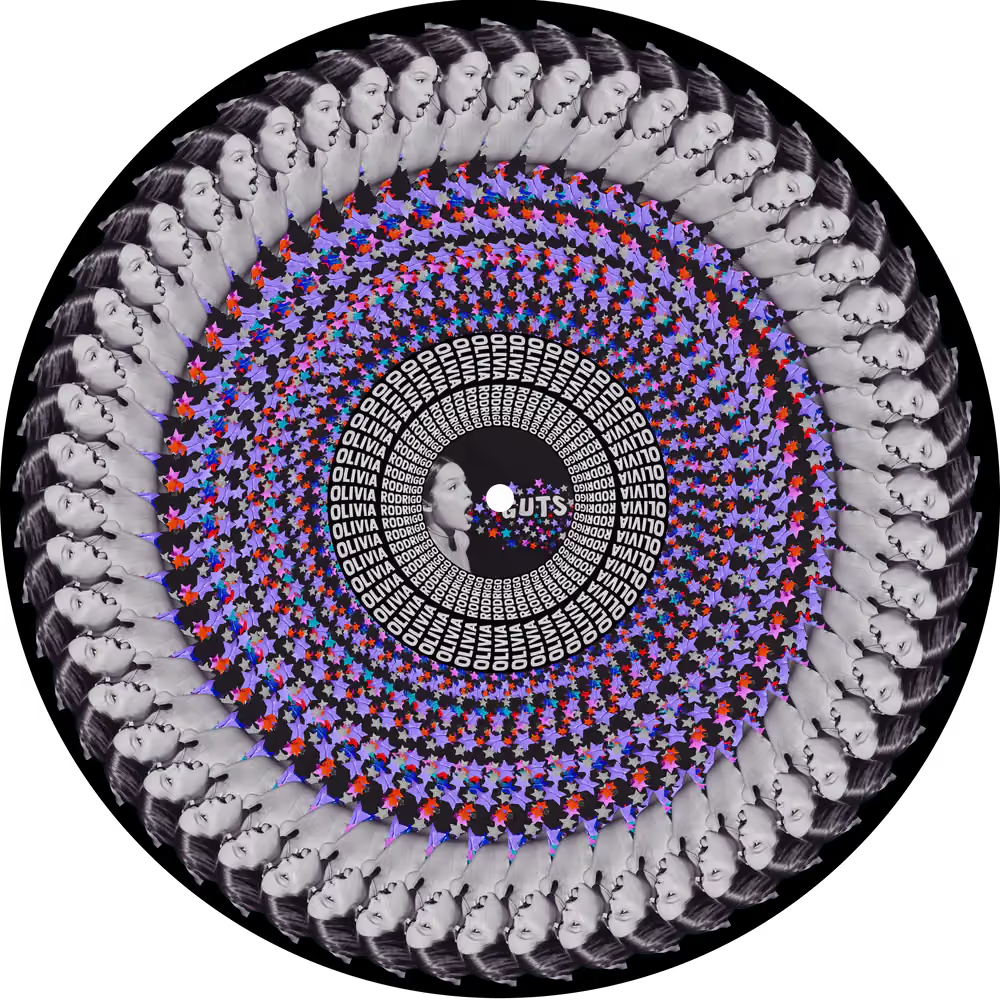
Image 3: Bosch
The Garden of Earthly Delights by Hieronymus Bosch has been a consistent reference, alongside altarpieces from the 15th to 17th centuries. The constant reflection on our own mortality, the potential to join the left “bright” side of the scene in the afterlife, or ultimately falling into hell on the right “sinful” panel. After taking a course on Flemish painters, I found how the composition in Flemish altarpieces resonates so much with our current landscape full of digital woes and daily influx of terrible news. The composition and moral conundrums within these scenes influenced the creation of my work, Insta Perfect, But at What Cost?
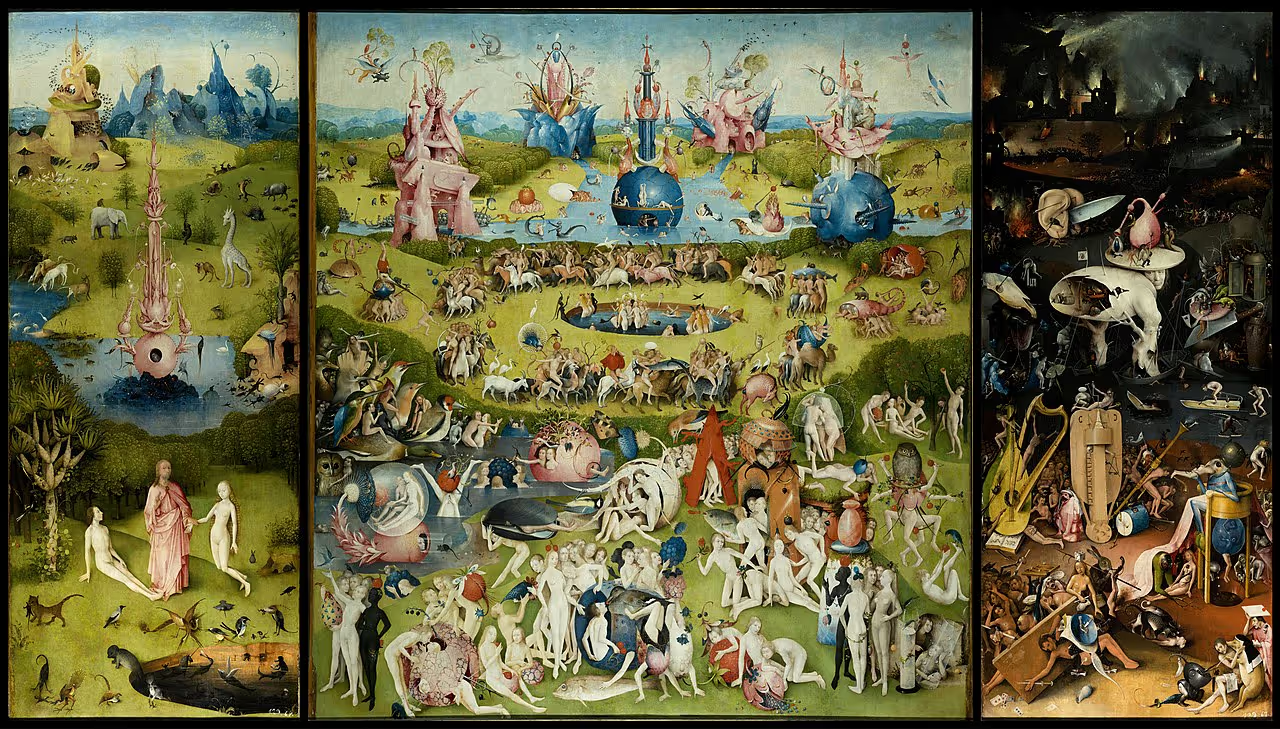
Image 4: Clock
The doomsday clock appears within my work every so often: Whilst flawed in its nature, my own brain feels like a doomsday clock most of the time, with an impending sense of doom that only intensifies with each news push notification about something terrible happening in the world. It feels apt in its ability to provide a physical symbol for this anxiety, albeit not its original intention at all.
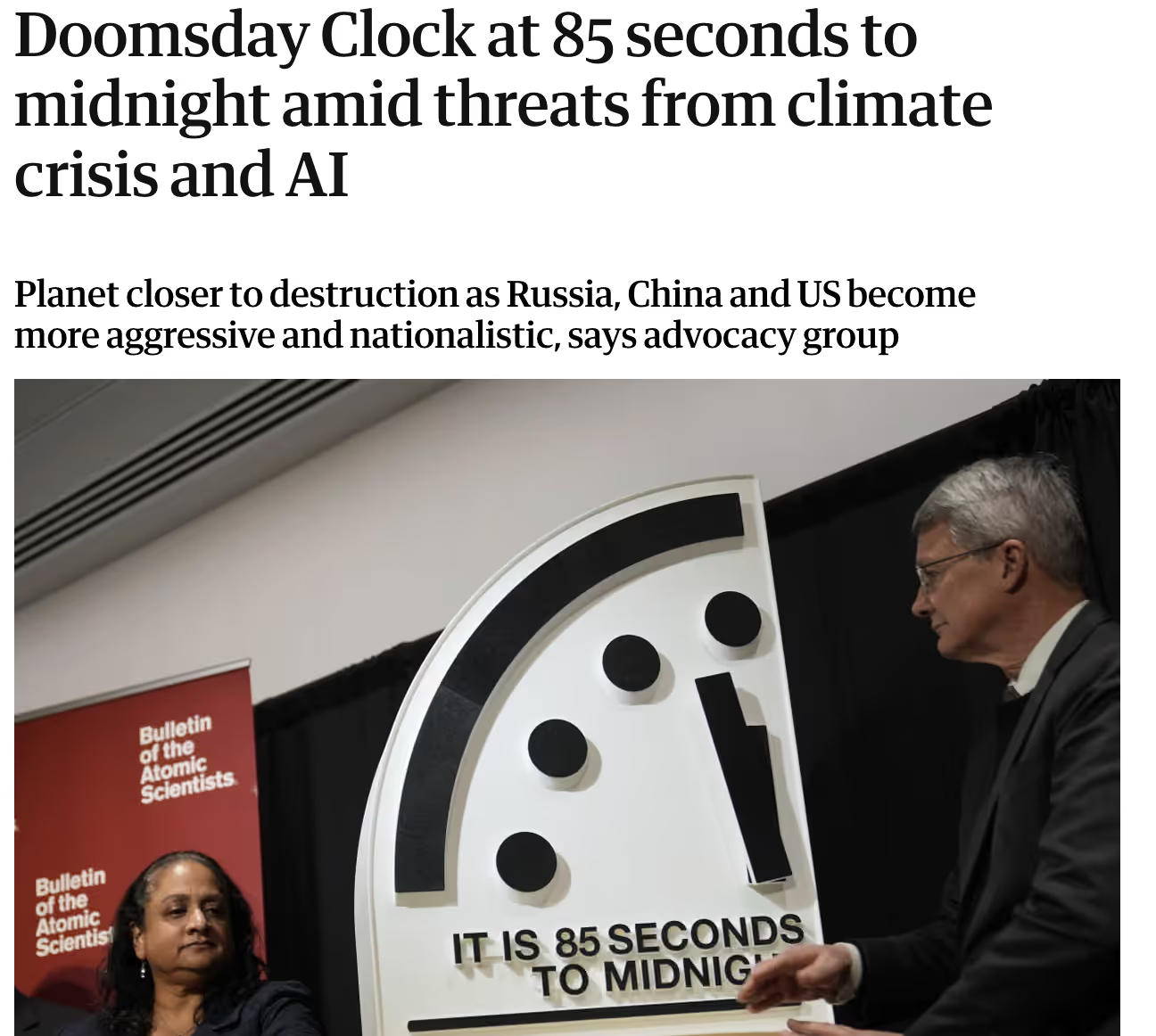
Image 5: Desktop
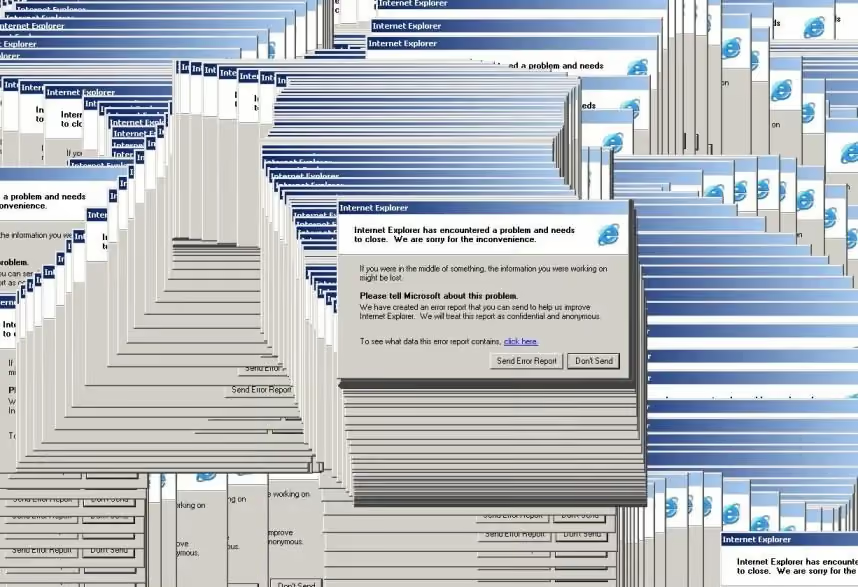
Glitches, be it corruption in data files creating psychedelic images, or the classic dialogue error glitch of early Windows operating systems, have always been fascinating to me. Partly childhood nostalgia of dragging the dialogue box around the screen to make screenshots of banners on top of each other (like the picture above), but also as a visual reference of the feeling of anxiety, often overwhelming and unpredictable.