The Mnemosyne: inside Levi De Jong's curated moodboard
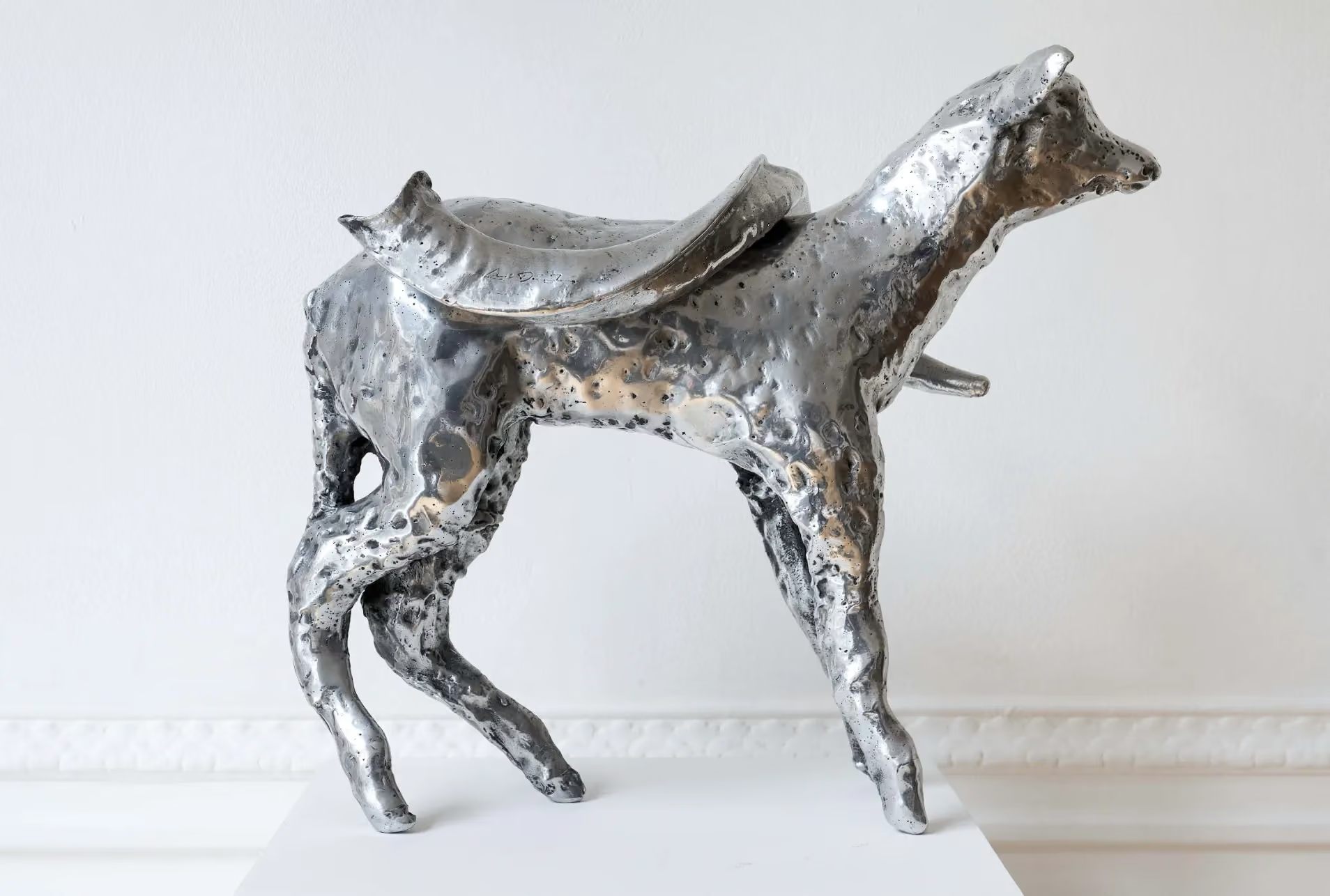
In this chapter, Texas-born artist Levi De Jong takes us for a rather peculiar journey through the symbols shaping his universe: visual fragments from the image-world of American nationalism, pastoral and religious iconography, and pop culture. After studying sculpture and painting in Florence and London (at the RCA) he now works between the USA and the UK, currently researching on how bodies are formed through contact with objects, and which of these stages of transformation establish their ontology. For The Mnemosyne, Levi decided to share a reading list that is inspiring the research for his new work The Stable.
.webp)
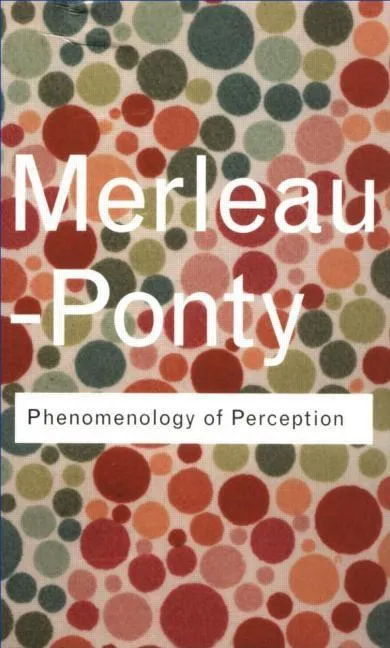
LDJ: Phenomenology of Perception (1945)
This text has been foundational in thinking through the body not as symbol, but as the primary site through which the world is encountered. It continues to inform how I approach posture, orientation, pressure, and the physical presence of the animal body within The Stable.
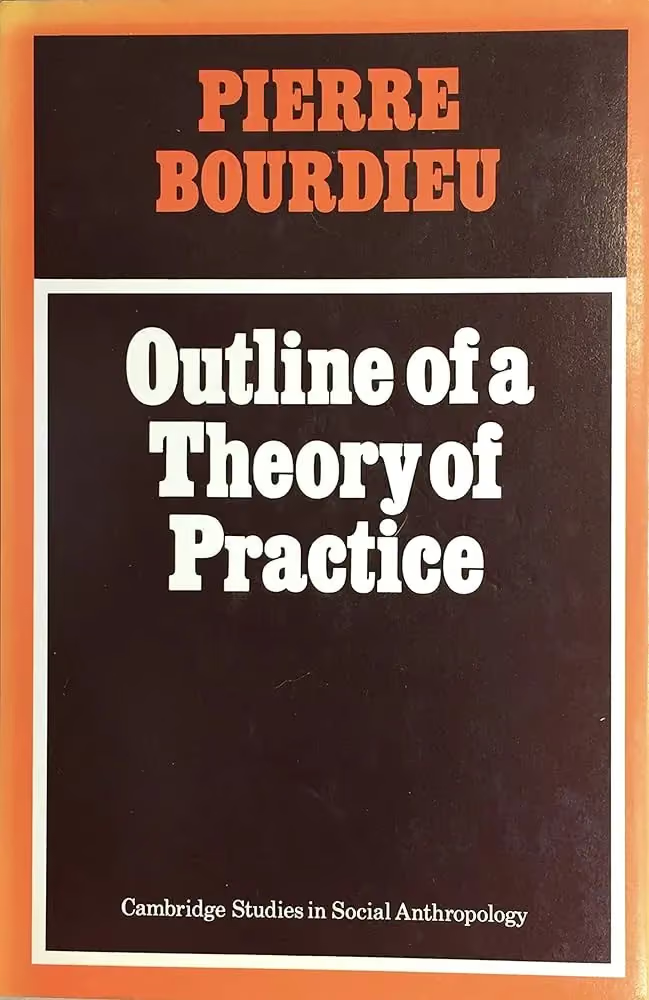
LDJ: Outline of a Theory of Practice (1972)
Bourdieu has become central to the project’s understanding of how systems quietly enter the body through repetition and habit until they begin to feel natural. The idea of habitus strongly informs what I describe as the “Endurance Principle” throughout the work.
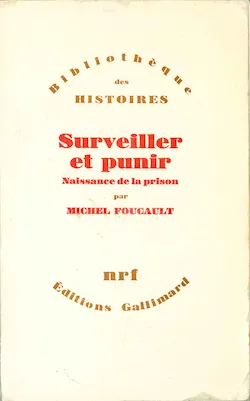
LDJ: Discipline and Punish (1975)
This has been important in shaping my understanding of the stable as both a site of care and a system of organisation, discipline, and control. The work is increasingly concerned with how environments condition bodies through structure, repetition, and quiet forms of management.
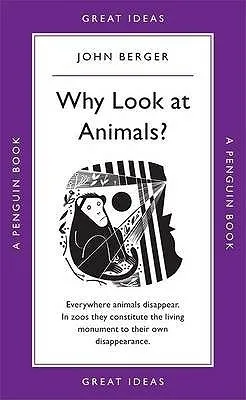
LDJ: Why Look at Animals? (1980)
Berger’s writing has been a major influence on why I’ve chosen to work through animal forms. The text sharpens the way animals operate culturally as bodies onto which morality, labour, innocence, and projection are placed long before the work itself begins.
LDJ: The Perception of the Environment (2000)
This text has informed the way I think about the environment as an active shaping force rather than a passive backdrop. In The Stable, space, rhythm, enclosure, and repetition all participate directly in the formation of the body.
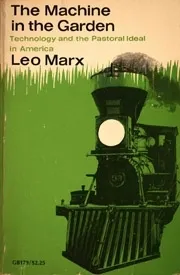
LDJ: The Machine in the Garden (1964)
Leo Marx has been particularly important in thinking through the American pastoral and its hidden relationship to labour, technology, production, and control. The stable, the farm, and the animal body all carry an inherited moral atmosphere that the project attempts to place under pressure.
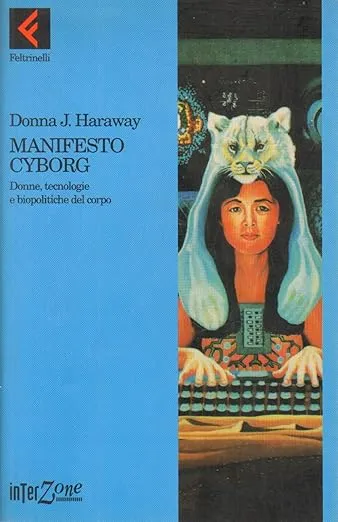
LDJ: A Cyborg Manifesto (1985)
Haraway’s writing has been influential in thinking through hybridity and the collapse of fixed boundaries between body, object, system, and identity. This strongly resonates with the emergence of the “third thing” throughout the project, where animal and intervention no longer remain fully separate.