Personal Notes #10: Doron Beuns
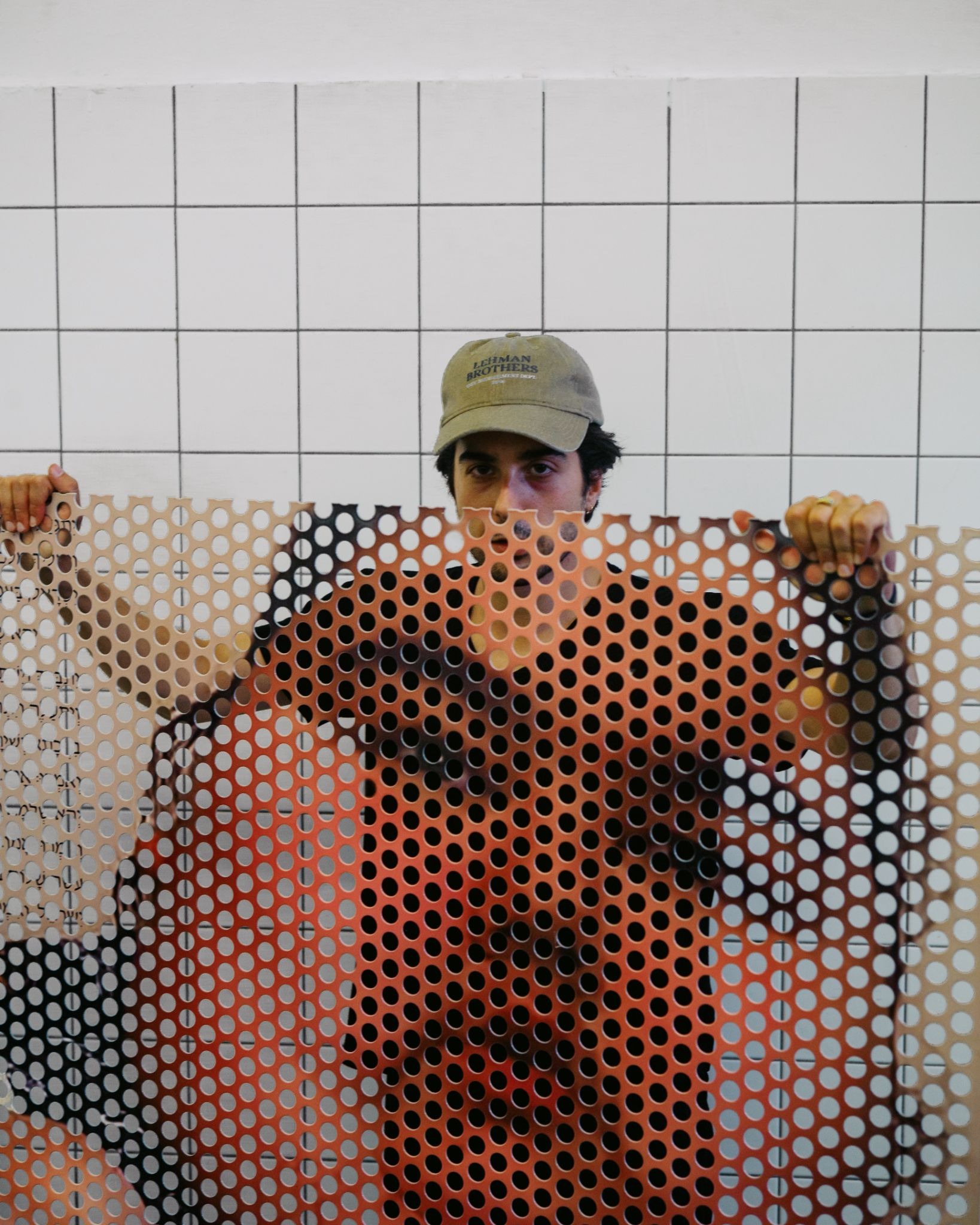
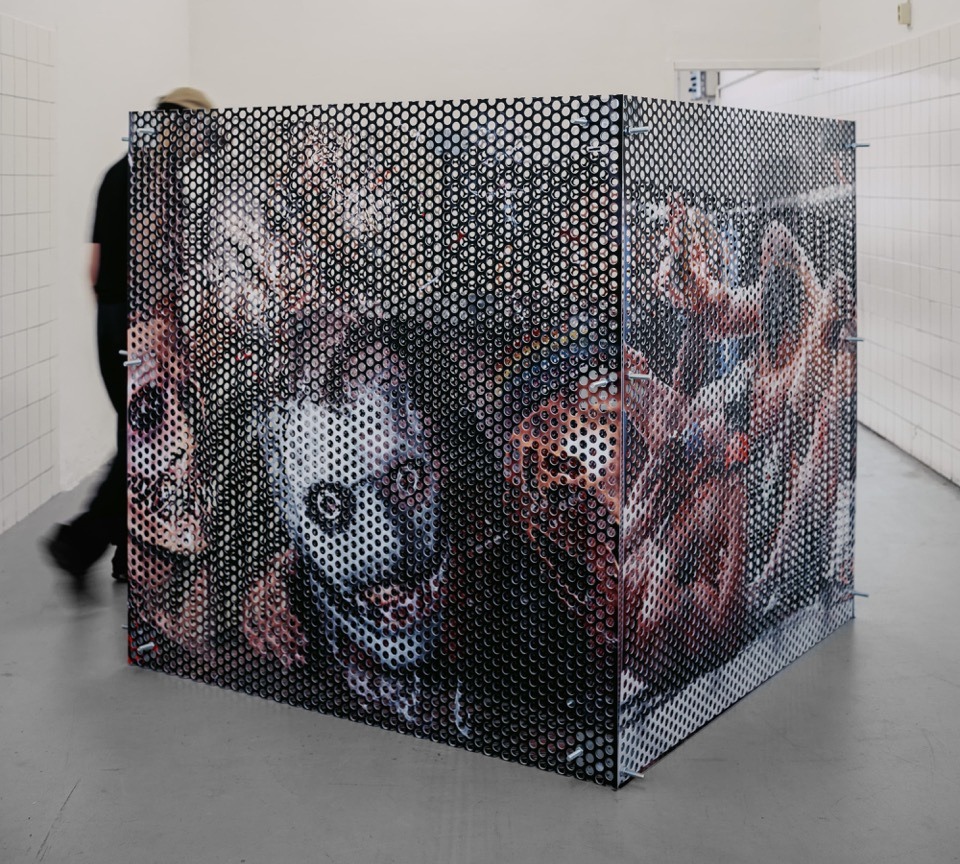
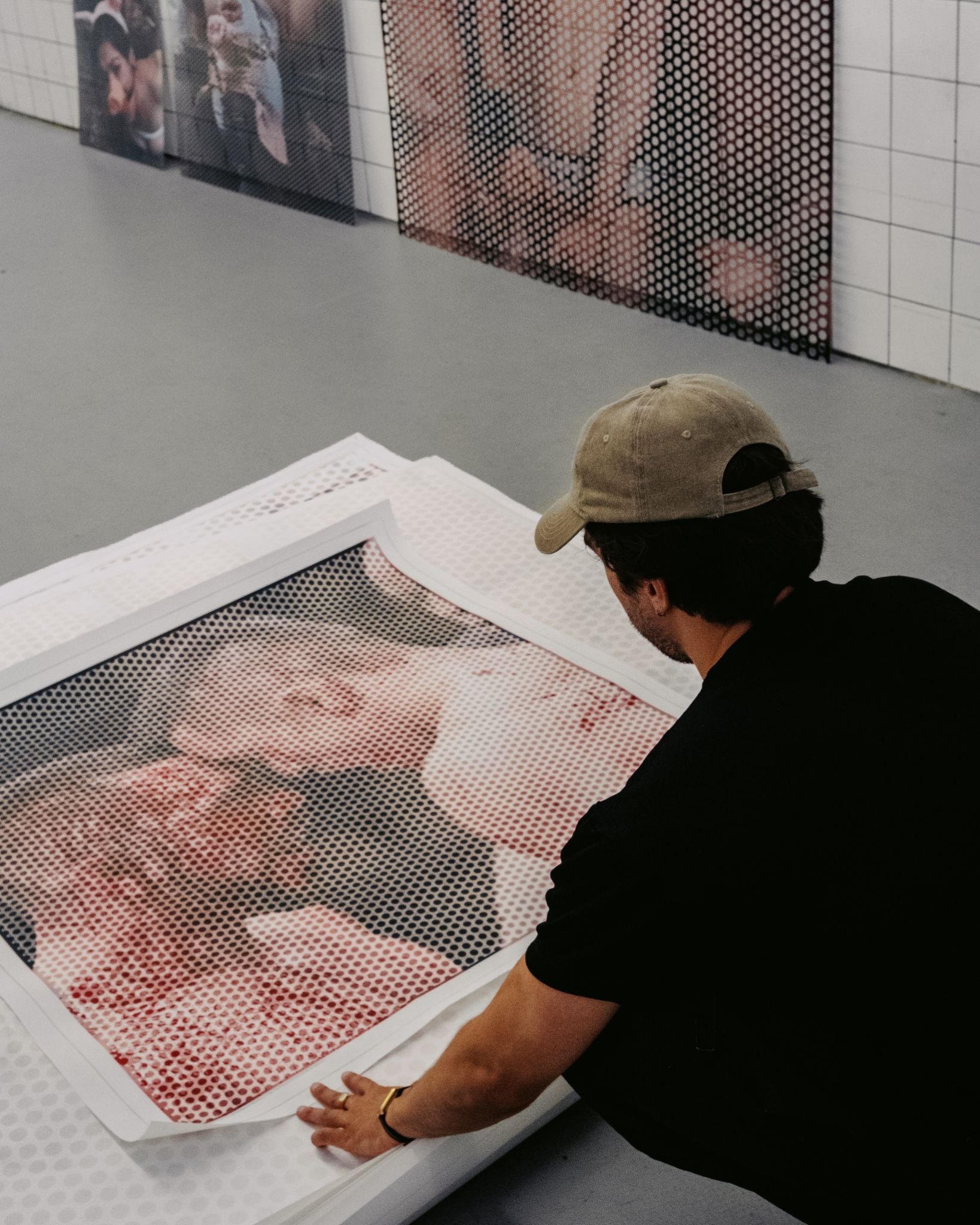
Doron Beuns (b. 1994) is a Dutch artist, curator and writer based in Amsterdam. Like the holes in the Perforated series, his image collecting is a rabbit hole, running through algorithms and everyday encounters, where immaculate order sits next to things falling apart.
He describes choosing images as an attempt to be painfully honest about what he sees around him and his own morbid fascinations. It seems a cathartic, almost exorcising act. The images pull him between attraction and repulsion, where pain and pleasure are hard to tell apart. His digital interventions sharpen those contradictions.
Behind the work sit destructive and constructive impulses. As he puts it, "something troubling can become something worth making and sharing, without having to pretend it has been resolved." Through painstaking assembly and digital alteration, he makes room for complicated feelings that can be experienced together.
1. What imagery did you use for the Perforated artworks, and why?
The imagery draws on spectacles from my lifetime: Abu Ghraib, WikiLeaks, Woodstock ’99, plastic surgery, many instances of societal unrest and fetish culture.
I’m trying to be painfully honest about what I see around me and my own morbid fascinations. I choose images that attract and repulse me simultaneously, where suffering and ecstasy become entangled. My small digital interventions heighten those contradictions. They feel unmistakably human, with something almost biblical about their cruelty, desire and excess. It feels like we are still reenacting those old stories through contemporary means.
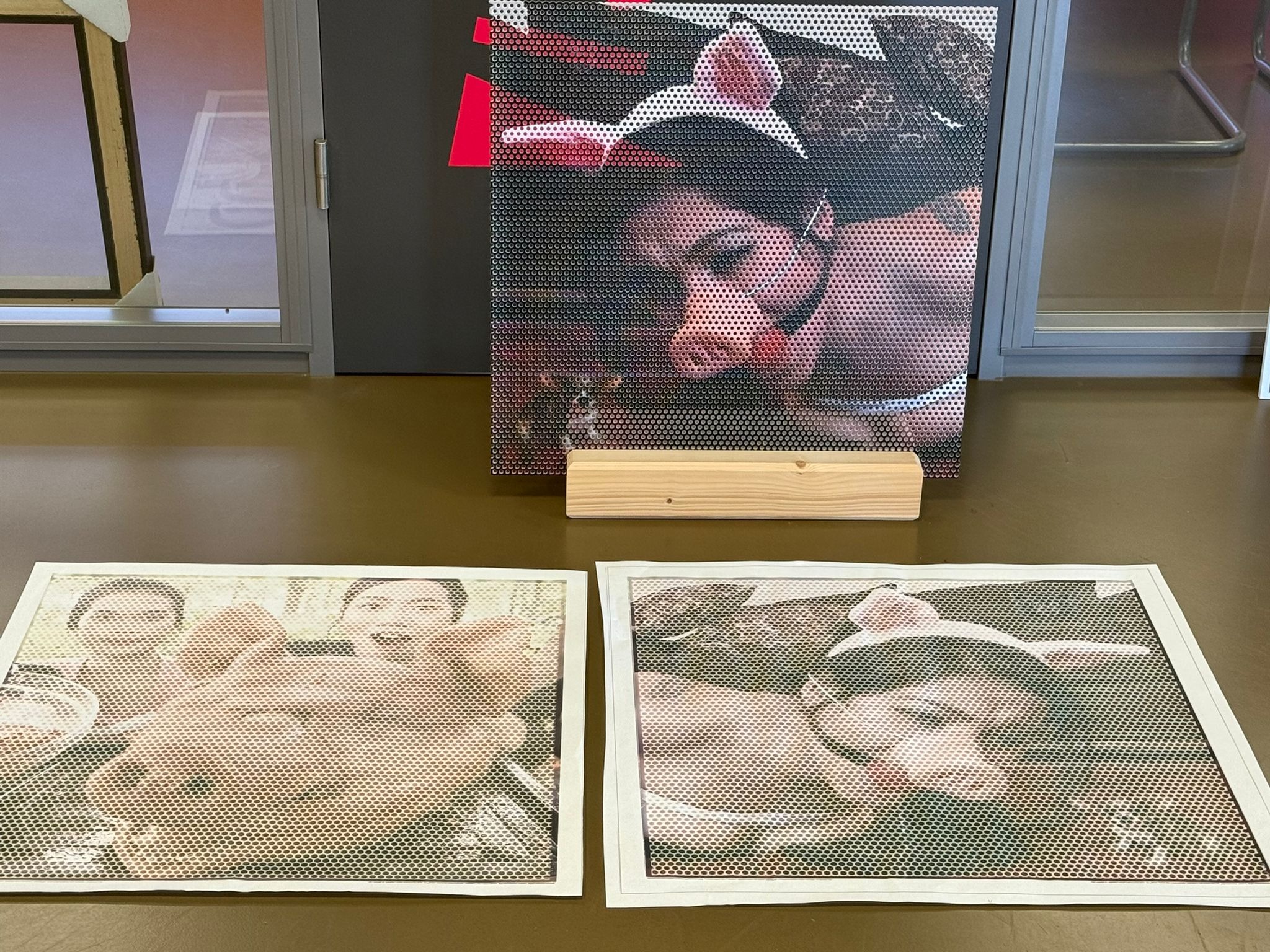
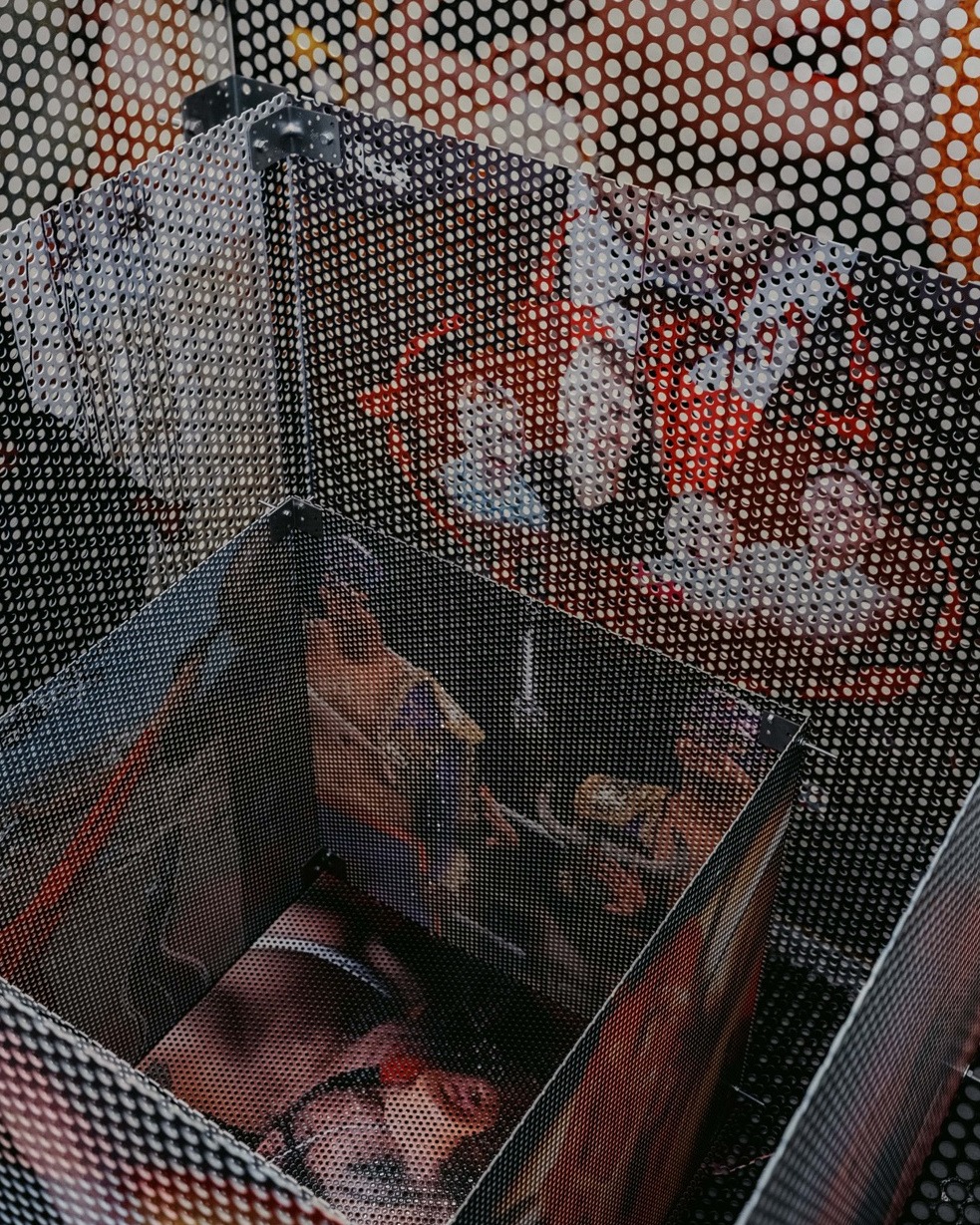
Finding these images was itself a rabbit hole: one led to another, becoming more extreme the deeper I went. The perforations give that process a physical form too. They obscure explicit imagery while drawing you closer. You work to identify something you might otherwise prefer not to see, while another image interferes with the one you’re trying to make out.
2. What is something you've been visually obsessed with, or/and something that haunts your mind recently?
In my private life, I’ve been quite obsessed with the sacred geometry I find in houses of prayer. It offers a counterweight to doomscrolling and all the profane things it reveals to us. So I’m probably most drawn to the contrast between immaculate order and things falling apart at the moment.
That fascination with damage and repair also comes up in my conversations with one of my closest childhood friends, who is training to become a plastic surgeon. We sometimes discuss the cases he encounters, from cosmetic procedures to reconstruction after an accident. I don’t see the photographs, so I find myself imagining the bodily damage and the intricate work of repairing it.
I also find myself looking at buildings and ruins through that same lens. The recent images of Hitler’s Eagle’s Nest burning really stayed with me: a building on a mountain engulfed in fire, visually sublime and inseparable from its gruesome history. Its destruction also carried a sense of relief. That contradiction complicates the impulse to save and repair a building in such an idyllic setting. The motive behind the suspected arson also remains unclear, which makes the images even harder to read against the backdrop of the present. I find that uncertainty fascinating too.
3. How did your interest in transforming images through manual assembly, destructive process and reproduction begin?
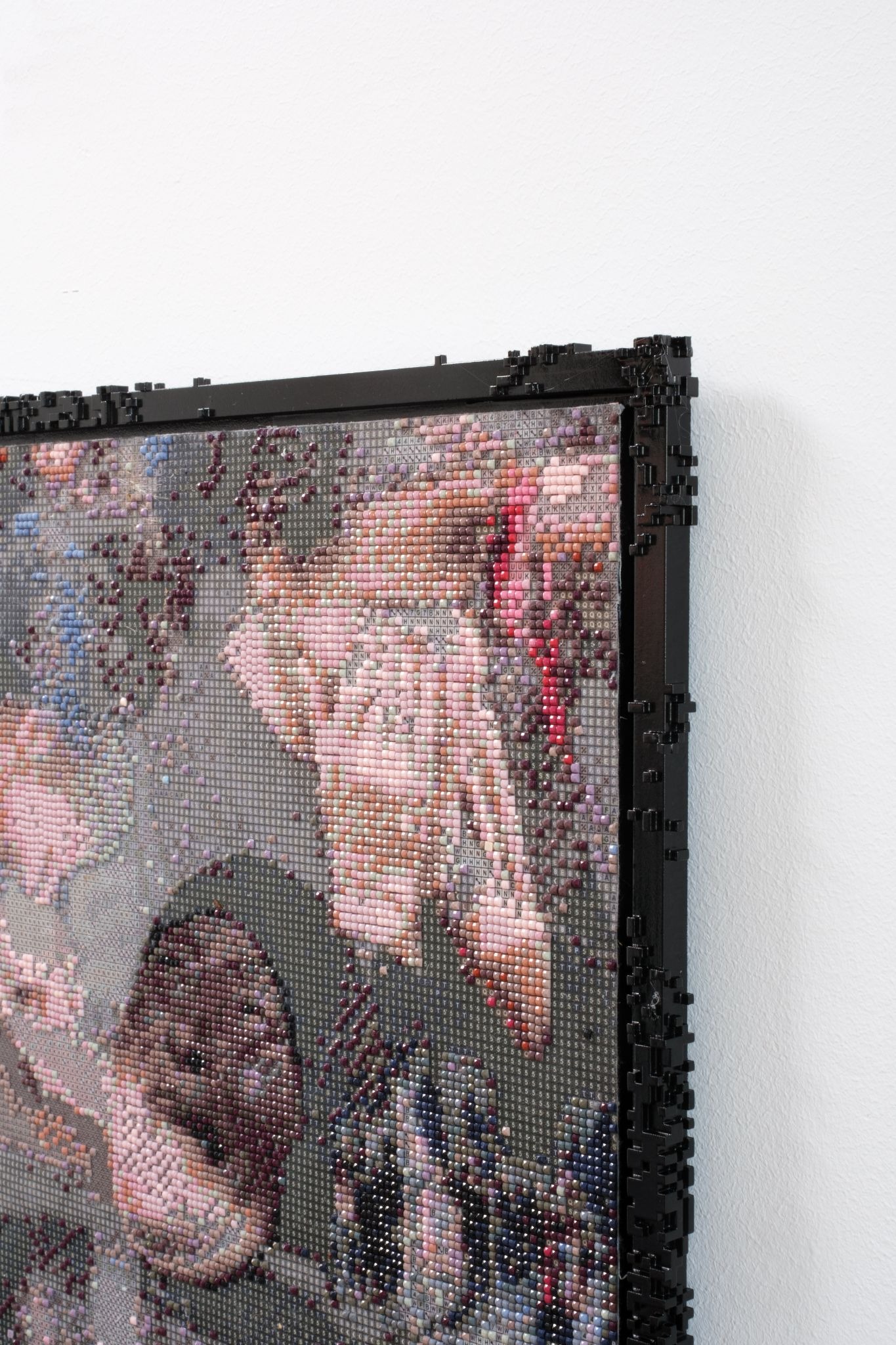
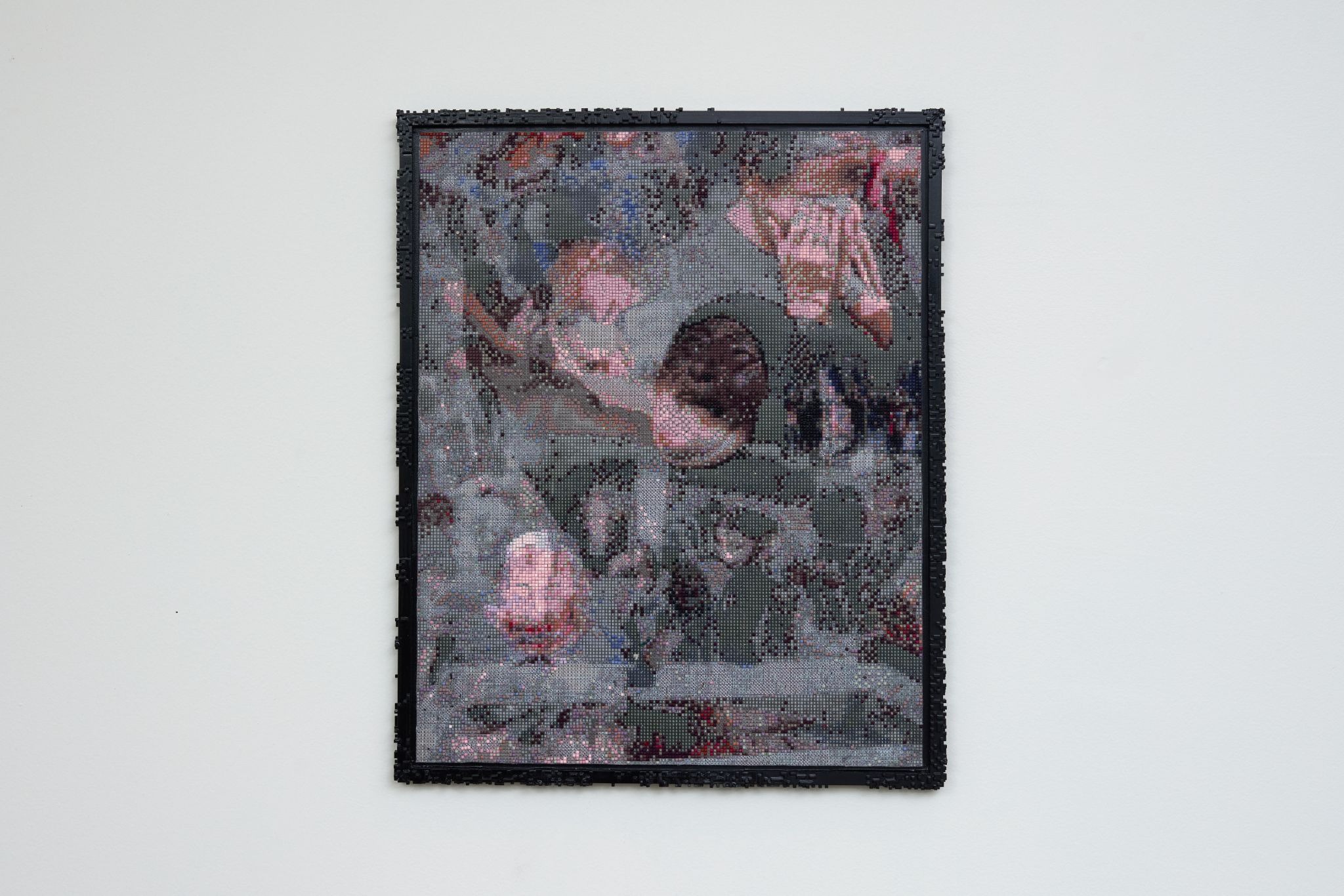
It began during my master’s at Norwich University of the Arts. I experimented with different ways of producing and destroying my self-portrait, documenting the process. When I moved to Amsterdam, I was left with all this material from my MA. My first response was to put it through a shredder and make new work from the remains. Destruction became a way of continuing my practice.
Since then, I’ve combined detailed manual work with full outsourcing, moving between them as the work demands. I’m interested in the tension between them. There’s a persistent divide in how people talk about art between those who locate authenticity in the artist’s hand and those who treat making as something that can always be delegated. I’m suspicious of either becoming a rule. I like making work that confuses both camps.
4. I read your piece "Hell Is Other People. Also Unpaid Invoices", where you write that art "does not promise an escape" but does something more modest: it turns fear, shame and anger into something we can see or experience together. Does that match how you see your own work?
Yes. Like many people, I often feel as though the world is caving in on me. Social media intensifies that feeling. Making work is a way of showing someone else what stands out to me in that experience, whether I encounter it through a screen or in everyday life.
Within the confines of my studio, I don’t really have to be afraid of those uncomfortable yet very human emotions. They’re allowed to exist without immediately being classified as good or evil. That is the joy of dealing in aesthetics. Feelings and fascinations that might be difficult to live with, or even dysfunctional in daily life, can become a strength within the work's internal logic. I really value that possibility: something troubling can become something worth making and sharing, without having to pretend it has been resolved.
5. If one of your works could be heard, which would you pick, and what would it sound like?
Probably my Digital Nightmare series. Something like listening to Hans Zimmer on your phone, then opening Instagram and having the soundtrack interrupted by whatever atrocity my algorithm has decided I need to see. Immediately followed by a Gen Z DJ mixing Chief Keef and Black Sabbath with Wagner. That’s roughly the emotional range of the work.
6. You say every exit from hell is personal but rarely built alone. Who helped build yours? What does hell mean to you?
My parents can talk me out of my darker moments and offer spiritual direction. My girlfriend thinks ahead when I can’t. She sees things coming. Then there are my friends and the kind souls I get to work with. Where would we really be without them?
I think you need rivals and enemies to some degree, too. The exit from hell requires a certain urgency. The people who help you find it aren’t necessarily all helping intentionally.
In the article, I gave ten definitions of hell. But if I had to distil them into one, I’d say hell is unrealised potential. That can really crush the most beautiful soul.