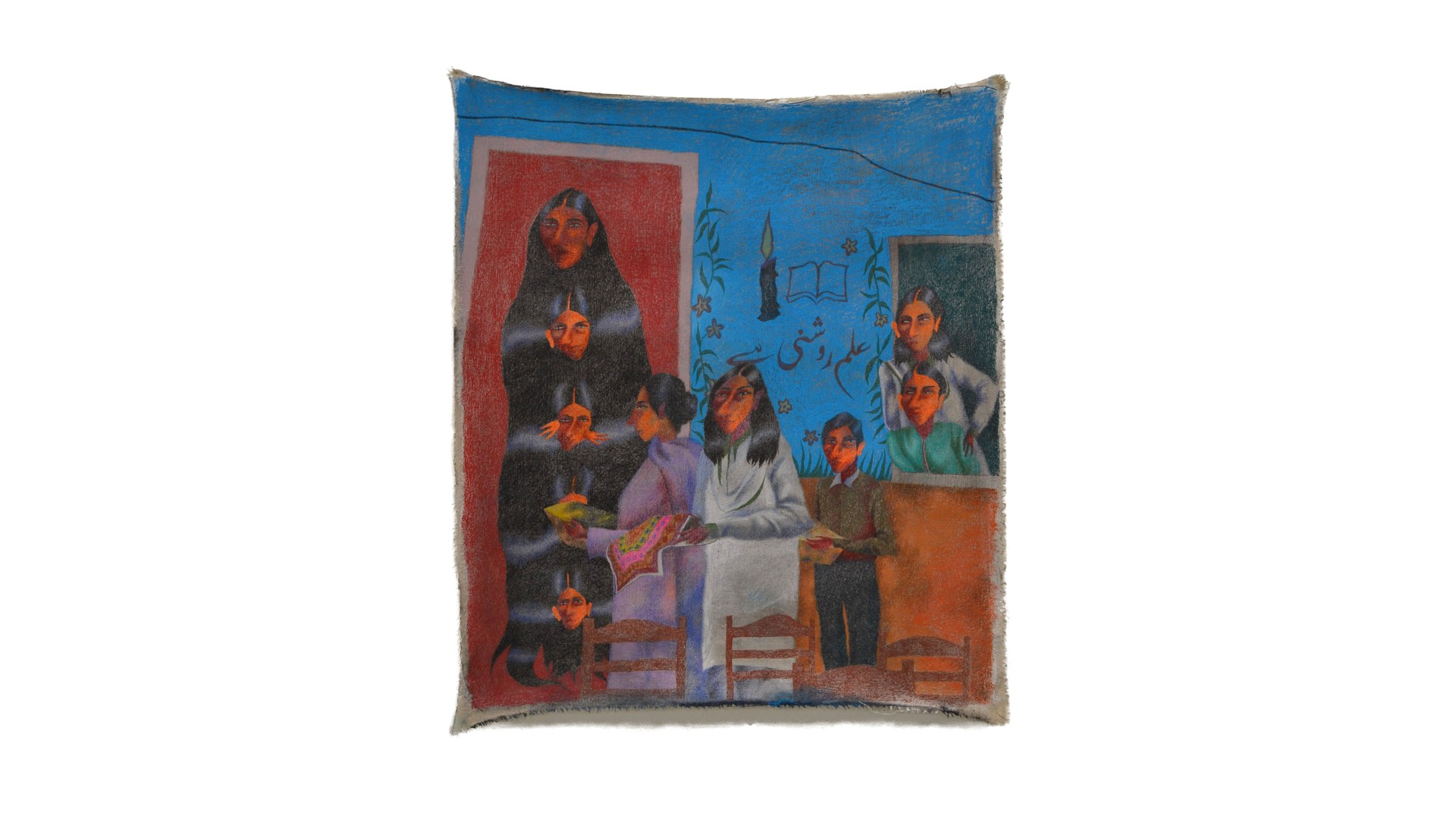
Fatima Kaleem Khan's on her latest residency at Gasworks
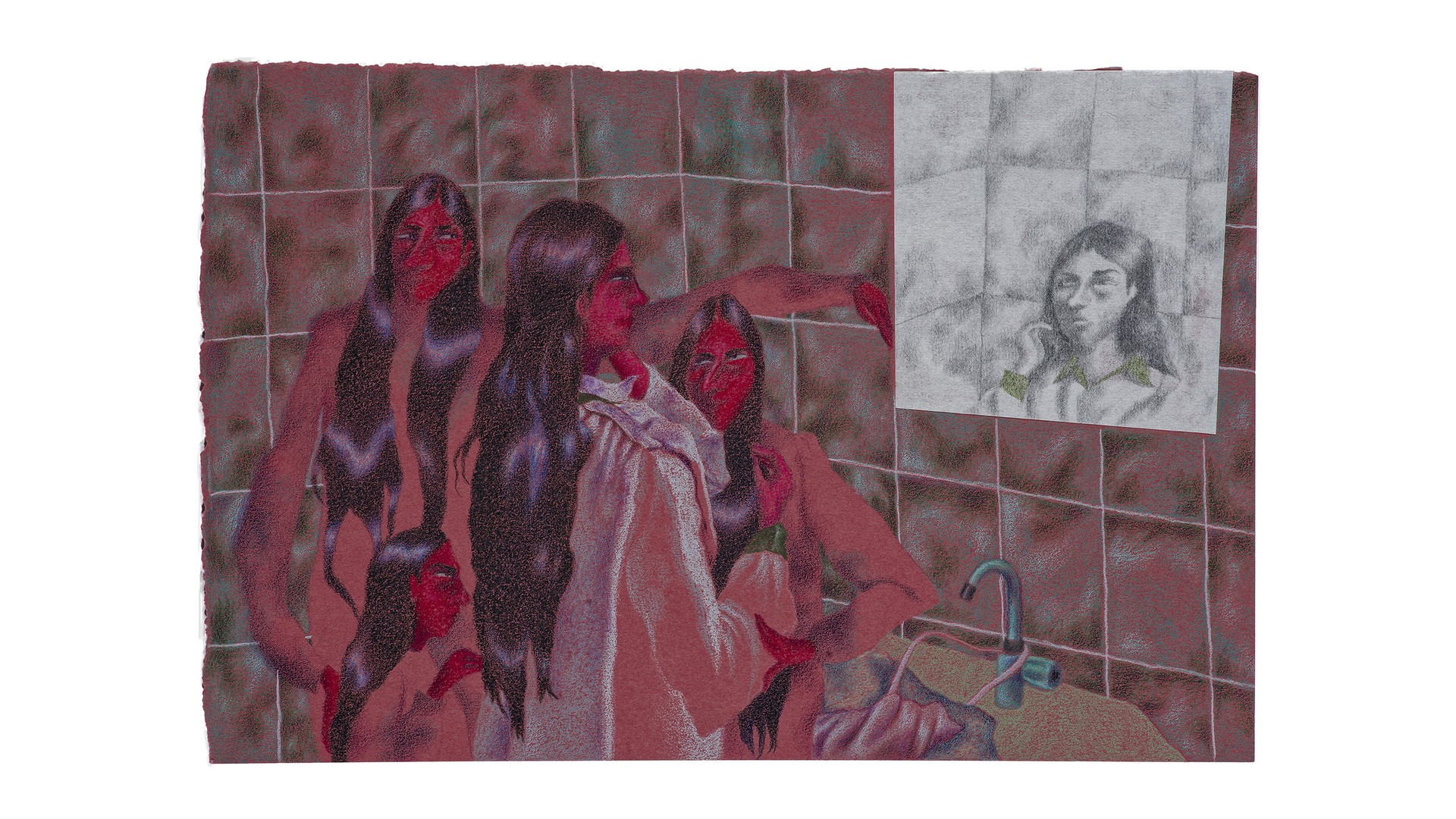
What is your artistic background?
I am a visual artist from Pakistan working across drawing, print media, and installation. I completed my BFA at the National College of Arts, Lahore, and earlier this year, my MFA at the Virginia Commonwealth University. My background in printmaking and ongoing drawing practice deeply inform how I approach representation, popular media, and cultural production.
Tell me about your recent residency at Gasworks.
I had a very wholesome experience at Gasworks. I was able to lay the groundwork and plan the next body of work, while exploring London, reconnecting with some old friends and making lots of new ones.
Your works centre the female experience. Can you tell me about this?
I’ve been very interested in the representation of the feminine in popular media in South Asia, particularly. What is cultivated and how it is consumed becomes especially important. I’m interested in moments of disciplining and how set roles contribute to a more nationalist understanding of the domestic.
Tell me about your fascination with Pakistani soap operas?
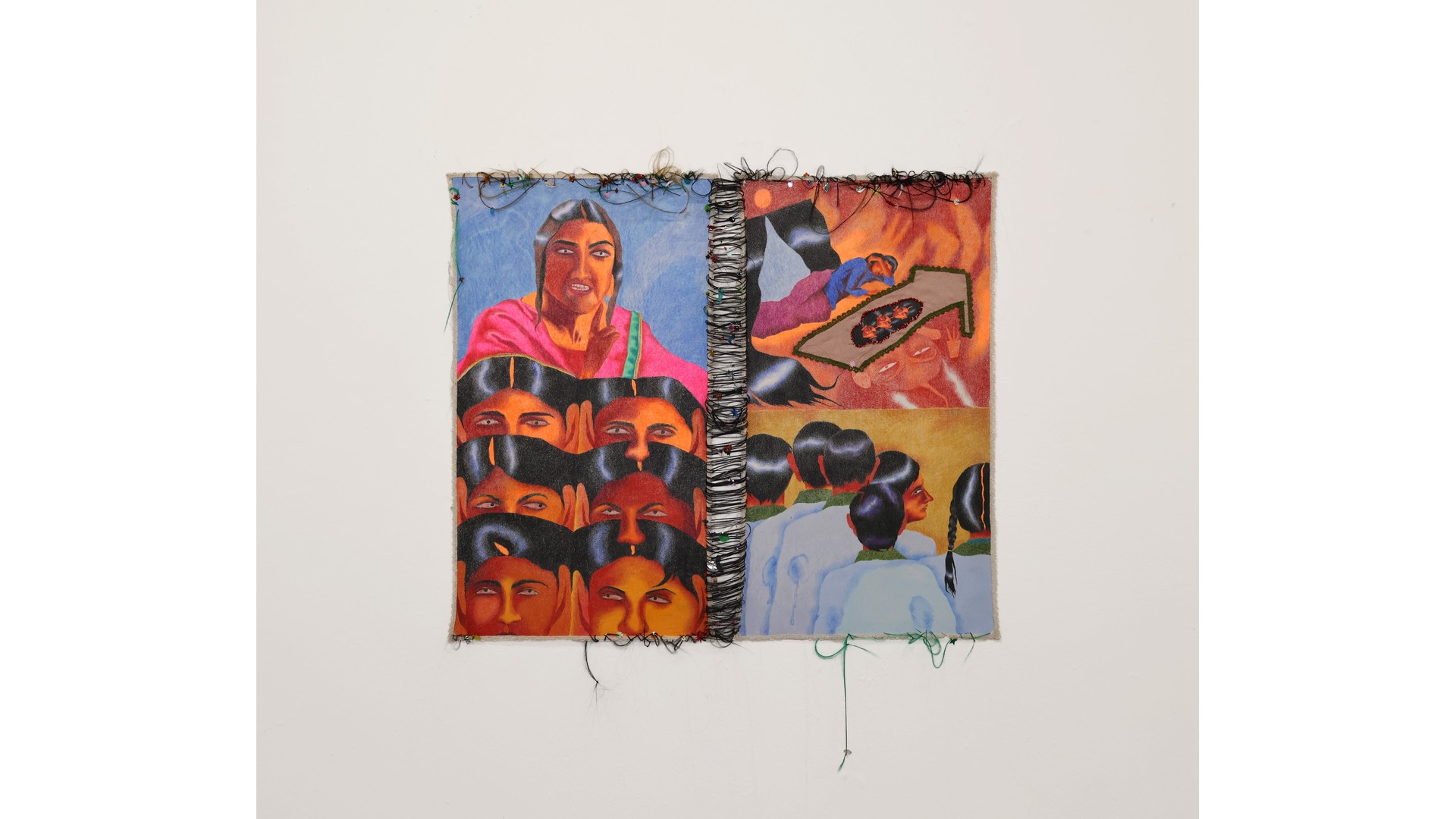
It began when I started watching the ISPR (the PR wing of the Pakistani military) TV serial ‘Sinf-e-Aahan’ (translation: Women of Steel), ironically. Through the characters of six women from across Pakistan, it delves into the harsh discipline of the military academy, which is posited as transformative. I couldn’t help but notice how these drills and routines are replicated in the everyday life of all school-going children in Pakistan. It is fascinating how propaganda seeps its way into almost everything being consumed. For me, drama and discipline exist in parallel, and wherever something is offered for consumption, its contradictory parallel offers itself naturally through antagonism in narration.
What is it about domestic spaces that interests you?
I became interested in the feminine disciplinarian figure that exists throughout the spaces of the home, the school, and the soap opera. The mother figure at home, the teacher figure at school who presents herself as the mother figure, and the mother-in-law figure within the soap opera become especially converged. It’s also interesting how, due to poor infrastructure within the public education system, private schools have popped up as a structural necessity. Catering to a variety of socioeconomic backgrounds, these private schools are often run from rented residential buildings, with bedrooms operating as classrooms. So the confluence of the home and the school becomes quite literal here, and of course, the domestic is the most popular subject of the soap opera.
You often use a repeated figure in each work. Tell me about this.
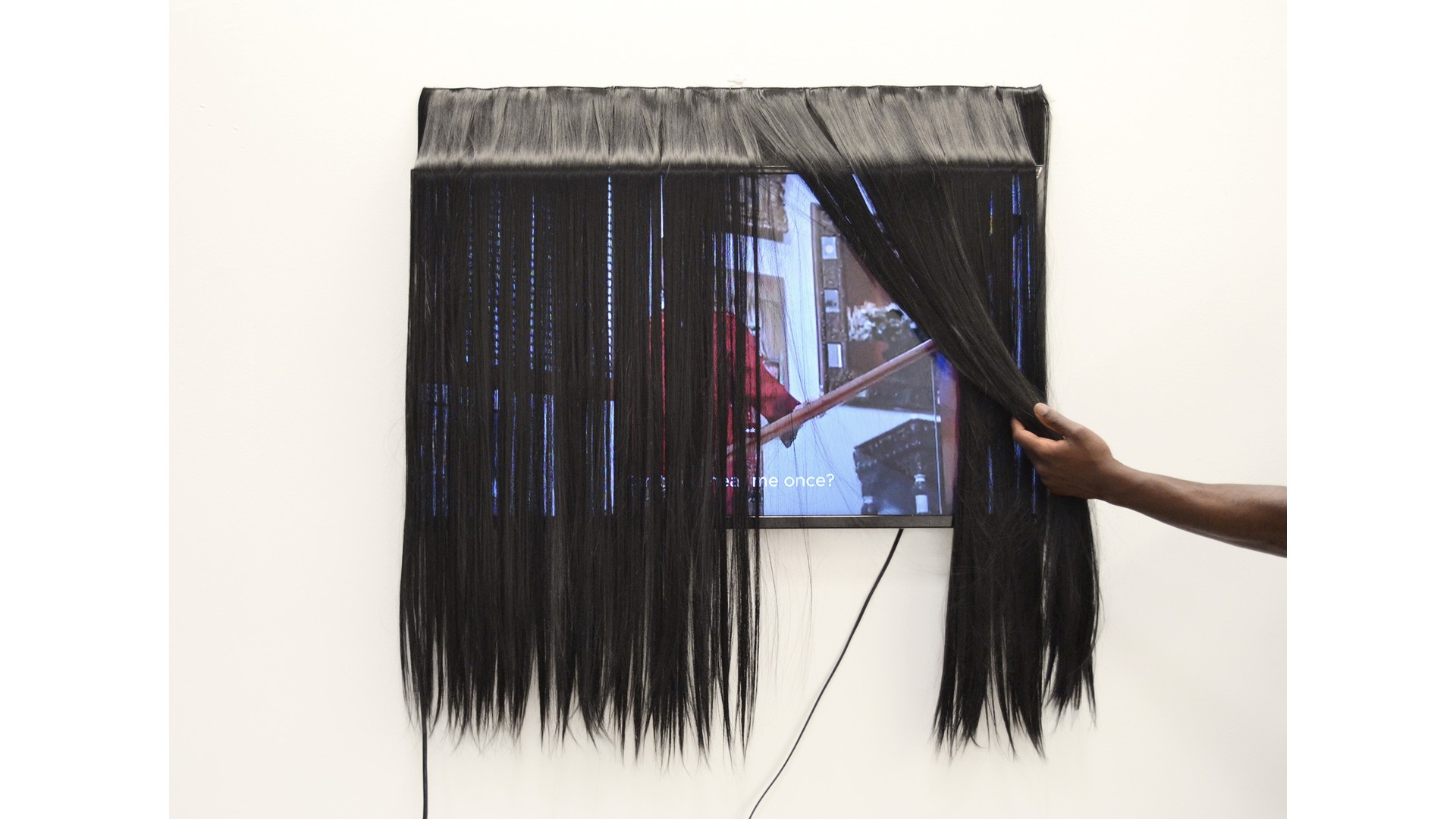
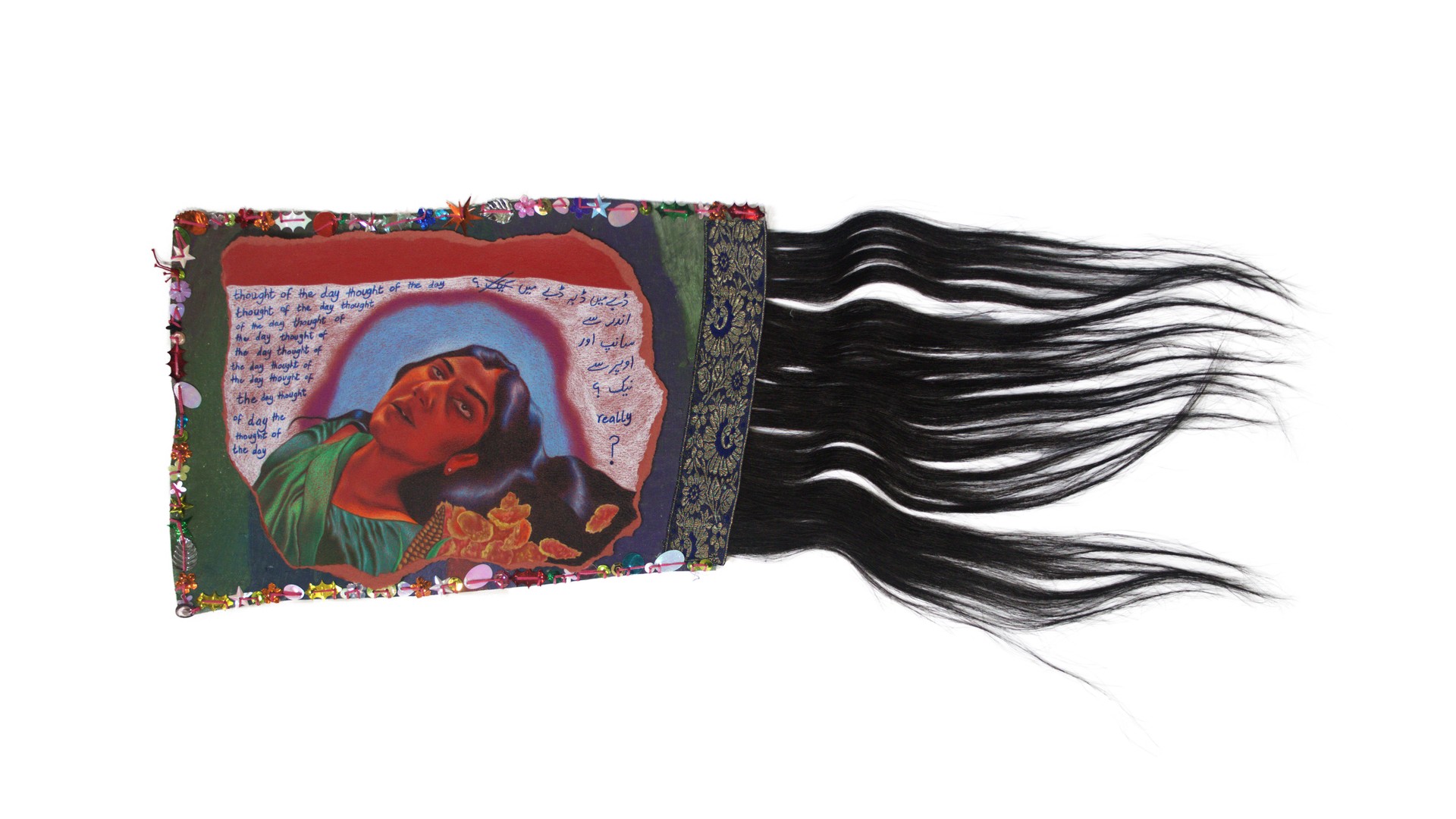
I really lean into the antagonist stereotypes within soap operas, and the repeated figure that appears in my work is an iteration of the ‘naagin’ (snake) woman. Sinister, conniving, scheming, she is made of multiple heads that emerge from a figure shrouded in shining hair. It becomes a metaphor presenting the mother-children, teacher-students and state-citizens dynamic. Something I’ve been thinking about a lot while working is how the image of the state is often softened through its comparison with the mother. Phrases like ‘the state will be like a mother’ and the ‘motherland’ reinforce this idea of patriotic motherhood. So I’m essentially proposing (again by leaning into the stereotypes of the soap opera) whether the state is more like the mother-in-law?
Please could you talk me through the different mediums you use?
My process begins with drawing and constructing word maps. I mostly use coloured pencils and oil pastels, drawing from soap opera stills, school social media pages, and graphics from advertisements. I manipulate these stills and images to construct my own narratives that stem from these worlds, but are very scripted and satirical. Lately, I’ve ventured into drawing-based installation. My recent work, ‘Spilt Milk’ (currently displayed at the Busan Biennale) uses military-produced cornflakes boxes as surfaces for drawing. I use fabric covers for these boxes to reference not only domesticity and soft power but also this very direct, literal, and corny (pun intended) nod to the idea of fabrication. I’ve also been working with hair a lot lately, constructing hair curtains for my drawings and personifying the boxes I create.
What do you hope people take away from your work?
Is this consumption nourishment or contamination? This is something I hint towards a lot in the work, blurring the lines between drama and discipline, the mother and the mother-in-law, superstition (nazar) and ideology (nazaria). The scheming antagonist is laid into the structure of how propaganda is narrated, and I hope we pay more attention to her manoeuvres. And of course, I lay down a lot of easter eggs and references to sub-narratives, and it always makes me so happy when people pick up on them. My interest in this project started when I began making anonymous political satire comics in 2020, so naturally, that sensibility readily lends itself to the work as well.
Which artists are you inspired by right now? Did you learn of any new artists whilst in London?
I’ve been looking at Wickerham & Lomax a lot. I find how they interpret the wordplay as a network approach across their installations very interesting, which is something I’ve found myself doing in my recent work as well. I also really loved Meriem Bennani’s ‘Sole Crushing’ and how it deflates the grandeur of authority through the flip-flop, a very domestic staple.
What's next for you?
I’m heading to a residency at the Studios at MASSMoCA in the US to end the year. I’ve been planning new work that centres the notion of stamina as it relates to advertising culture and nationalism. This is something I referenced in ‘Spilt Milk’ as well, briefly, but it will take centre stage in the new narrative I’m constructing.